
Interactive Cat Toys for Indoor Cats: What Actually Keeps Cats Engaged
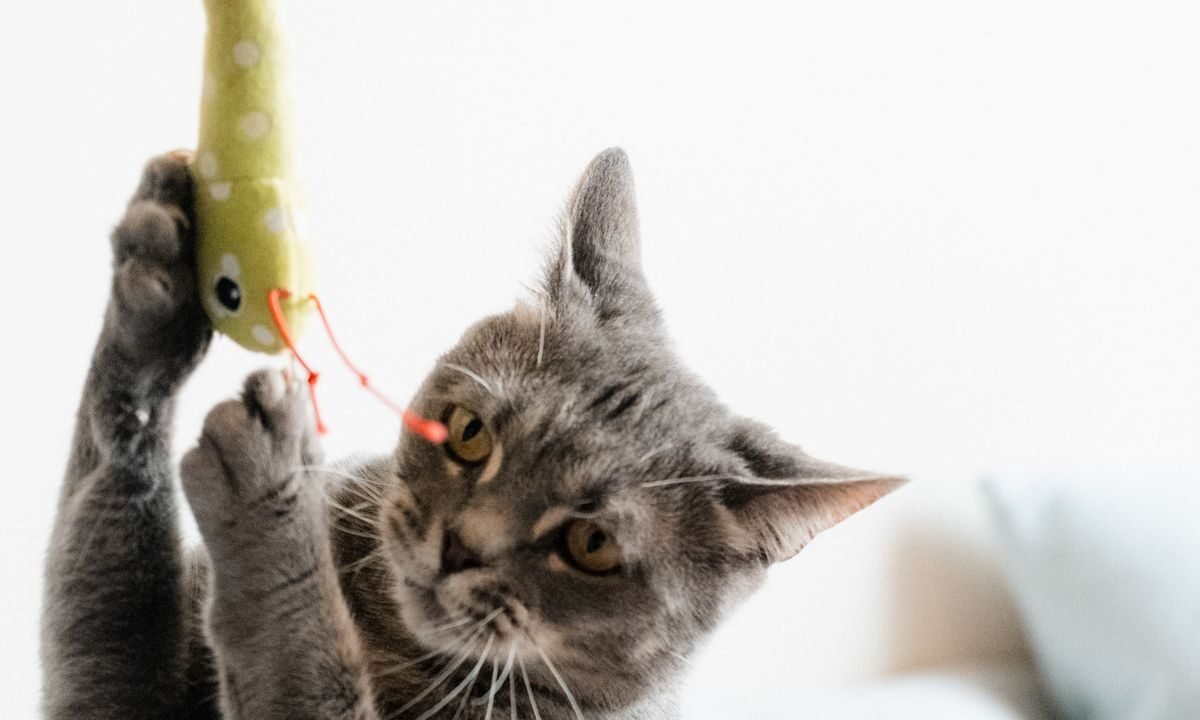
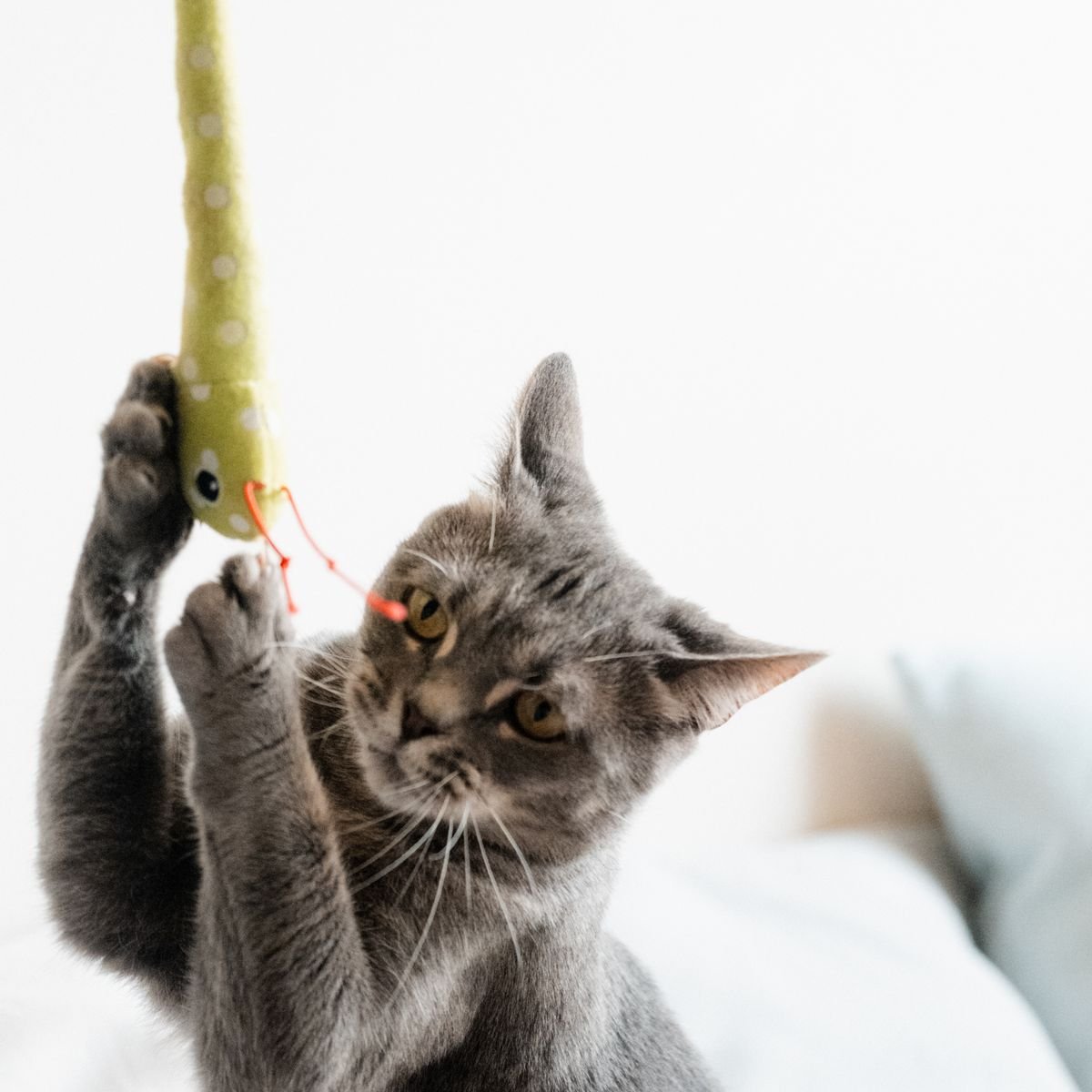
Indoor cats need more than a bowl, bed and scratching post. They also need chances to hunt, climb, investigate and solve small problems. Interactive cat toys can help, but expensive electronics are not automatically better than a simple food puzzle or well-run wand session.
Think in terms of hunting rather than entertainment
Cats are motivated by prey-like sequences: notice, stalk, chase, pounce, grab and sometimes eat. Toys that let a cat move through several parts of that sequence tend to be more engaging than objects that simply flash or make noise.
Food puzzles turn eating into an activity
Puzzle feeders, rolling treat toys and simple homemade foraging setups can make a cat work for part of the daily food ration. Start easy. If the puzzle is too difficult, the cat may simply walk away rather than learn it.
Electronic motion toys can add variety
Battery-powered mice, moving feathers and unpredictable rolling toys can be useful for cats that enjoy motion. They work best as one part of an enrichment plan, not as a replacement for interaction with people. Check moving parts and battery compartments regularly.
Wand play is still one of the best interactive options
Human-controlled movement is difficult for automated toys to copy because you can respond to the cat’s body language. Hide the lure behind furniture, let it pause, then move again. That looks more like prey than swinging the toy continuously in front of the cat.
Make the environment part of the game
Move toys through tunnels, around boxes and beneath safe furniture edges. Vertical space also adds options. Our cat-friendly home setup guide explains how hiding places and vertical territory can make an indoor environment more useful.
Rotate difficulty as well as toys
A confident cat may enjoy a harder food puzzle while a shy or older cat may need an easy win. Change one variable at a time: different location, different toy, different food puzzle, or a slightly longer play sequence.
Short sessions can be better than one long session
Many cats play in bursts. Two or three short sessions across the day may suit feline behavior better than trying to keep the cat active for one long period.
Watch for frustration or overstimulation
Tail lashing, skin twitching, ears turning back, sudden grabbing or walking away can mean the cat needs a break. If play regularly ends in biting or scratching, lower the intensity and use longer toys that keep hands farther from the action.
Interactive toys should still be physically safe
The Cornell Feline Health Center’s toy safety advice warns about loose feathers, string-like pieces and small detachable parts that can be swallowed. Supervise toys with cords and put them away afterward.
Use part of the normal food allowance in puzzles
Treat-dispensing toys can accidentally increase calories if the rewards are added on top of normal meals. Use part of the cat’s measured daily ration when possible. This is particularly helpful for cats that need activity without extra calories.
Do not expect every cat to like the same technology
One cat may chase a robotic mouse for twenty minutes while another prefers a paper ball. Preference matters. A useful interactive toy is one your cat actually chooses to use safely.
Build a simple daily play pattern
A practical routine might include one short wand session, one food-puzzle opportunity and one period of independent play. The point is variety rather than constant stimulation. Cats also need uninterrupted sleep and quiet time.
Use novelty carefully with cautious cats
A motorized toy that suddenly moves or makes noise can frighten some cats. Introduce new devices while they are switched off, let the cat investigate first, then start them at a distance. If the cat hides or becomes tense, back up rather than forcing exposure.
Watch whether enrichment changes behavior
Useful toys should lead to more normal play, exploration and relaxed rest, not constant frustration. If a cat is still chewing inappropriate objects, overgrooming, fighting with other cats or avoiding the litter box, enrichment may help but the underlying medical or environmental cause still needs attention.
Engagement matters more than gadgets
The best interactive cat toys create opportunities to hunt, move and problem-solve. Combine food puzzles, human-guided play, safe independent toys and an interesting environment rather than searching for one gadget that does everything.

0 comments