
Bird Cage Size and Bar Spacing: How to Choose Safer Housing
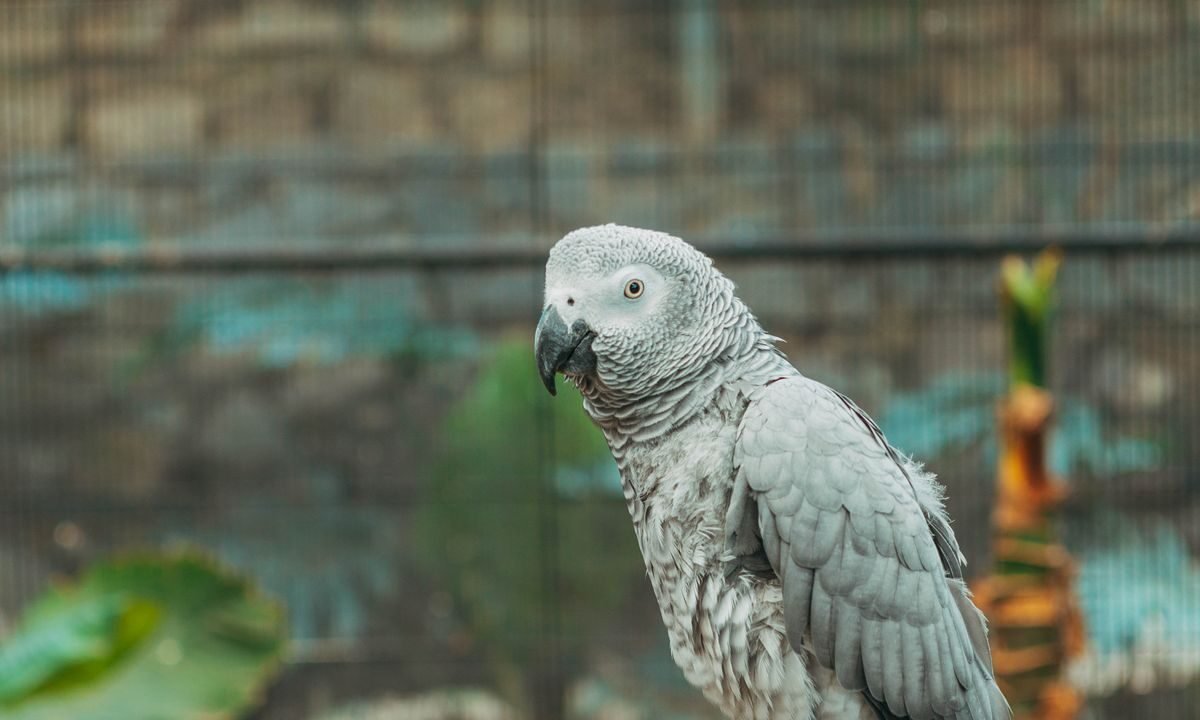
Bird cages are often sold by marketing labels such as “small,” “medium” or “parakeet cage,” but those labels are not a reliable safety standard. The useful questions are whether the bird can move comfortably, whether the bar spacing is safe for its head and body size, and whether toys and perches leave enough usable room.
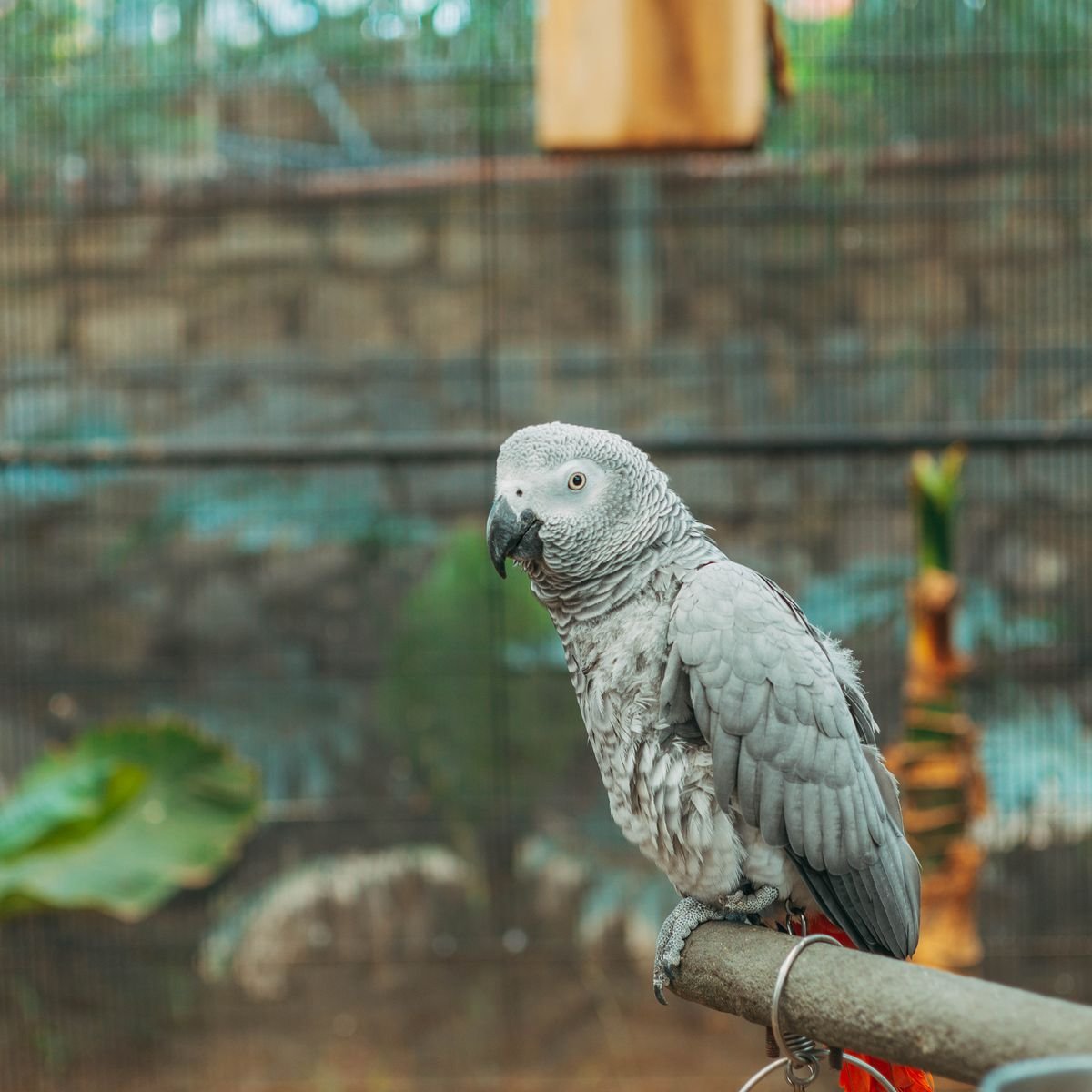
Start with full wing extension and movement
The bird should be able to spread both wings without contacting bars, dishes or toys and should have room to move between perches. Active small birds benefit from horizontal flight space, while climbing parrots also need usable vertical routes.
Bar spacing must match head size
Gaps should be narrow enough that the bird cannot push its head through and become trapped, but not so restrictive that normal climbing is difficult. Species-specific cage guidance is safer than guessing from the bird’s body length.
Inspect doors and feeder openings
Parrots can manipulate simple latches. Check that main doors, breeder doors and feeder access points cannot be opened accidentally and that there are no sharp edges or pinch points.
Do not overcrowd the interior
Toys and perches should create choices without blocking every flight path. Leave clear movement corridors and arrange perches so droppings do not fall into food and water.
Safe materials matter
Avoid rust, peeling coatings, exposed sharp wire and unknown metals or finishes. Clean with bird-safe methods and rinse thoroughly so residues do not remain on surfaces the bird climbs with feet and beak.
The cage is not a substitute for exercise
For species that can safely have supervised out-of-cage time, a bird-proof room adds flight, climbing, training and social opportunities that an enclosure alone cannot provide.
When to contact an avian veterinarian
Ask an avian veterinarian or experienced avian professional for species-specific housing guidance if you are uncertain about bar spacing, perch diameter or safe materials. Injuries from entrapment, falls or damaged bars need prompt care.
Bottom line
Choose the cage as an engineered habitat: enough usable space, species-appropriate spacing, secure access points, safe materials and a layout that still allows movement.
Avian-care reference: Association of Avian Veterinarians — Cage Size enrichment guidance.
Related PetsFilled guides: bird-safe home setup and cage placement and sleep guide.
Measure the bird, not the product label
Before buying a cage, check the actual internal dimensions and bar spacing in millimeters or inches. A cage can be tall and still offer poor horizontal movement, while bars that are too widely spaced can create an entrapment risk. If you are between sizes, the larger safe option is usually the better long-term choice.


0 comments