
Finch Care Guide: Space, Social Groups, Diet and Daily Care
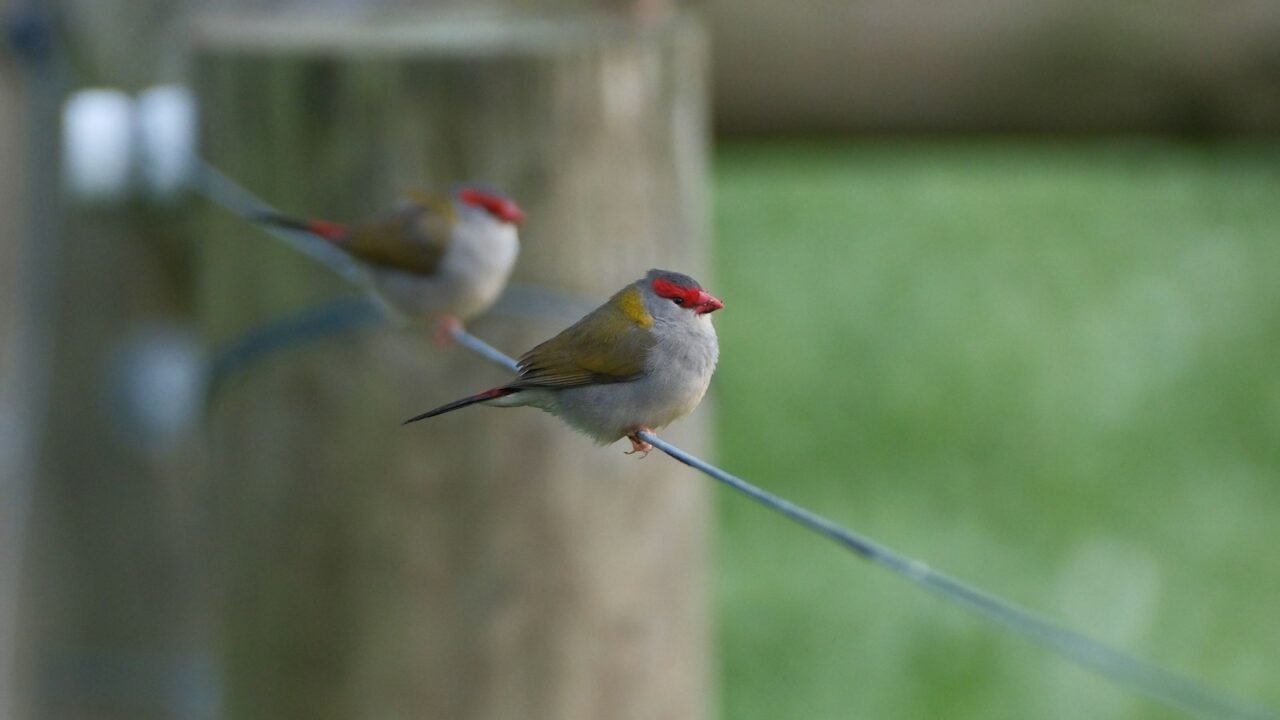
Finches are small birds, but their social and space needs are not small. Many species do best with compatible companions and enough horizontal room to fly between perches. A decorative cage can look large while still offering very little useful movement.
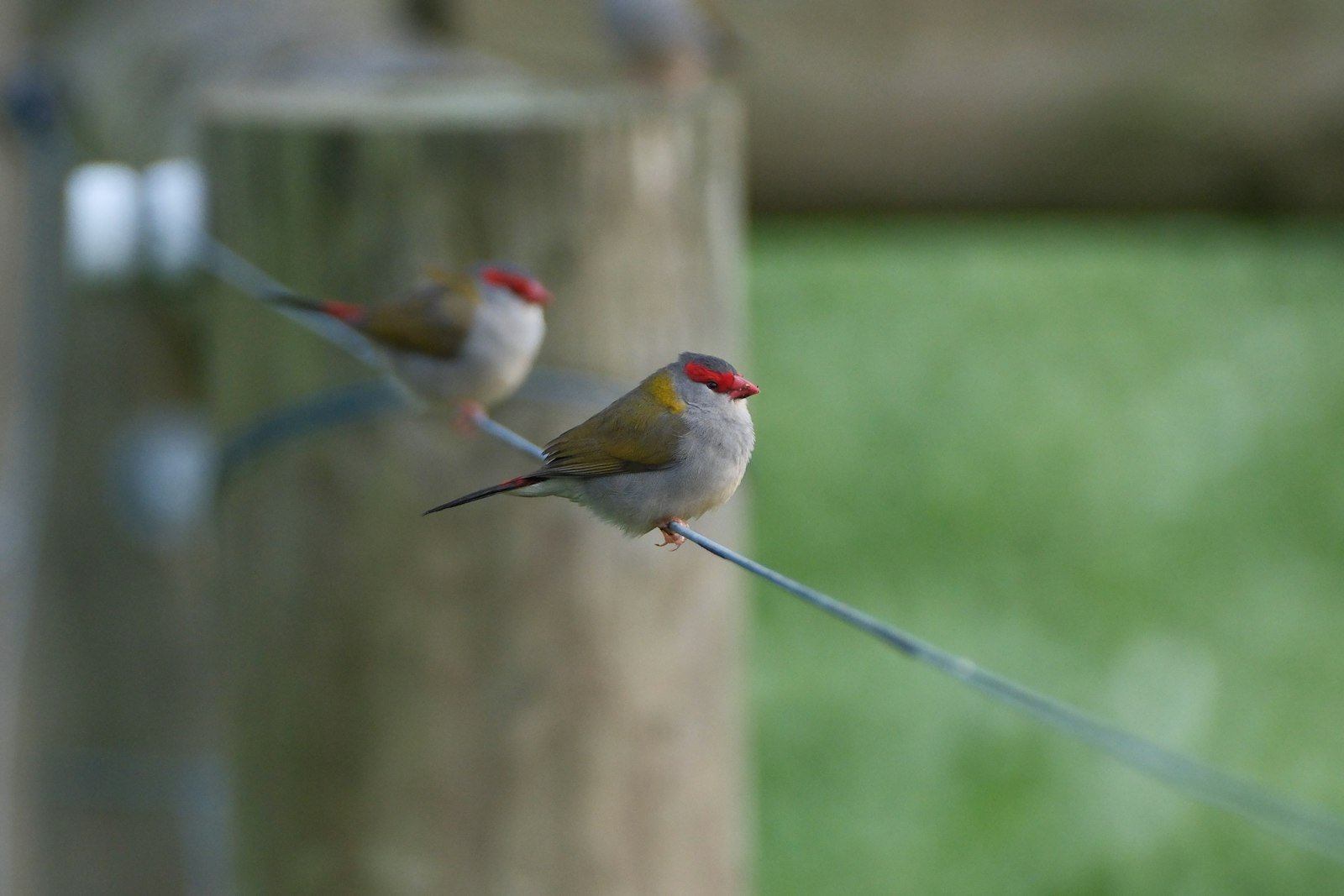
Choose width for flying
A long enclosure that permits repeated horizontal flights is more useful than a tall narrow decorative cage. Keep the center relatively open and place perches to create travel routes.
Social housing requires enough resources
Even compatible finches can compete. Provide multiple feeding and watering points and enough perch choices so one bird cannot monopolize access. Watch for chasing, feather damage or a bird that stays isolated.
Diet depends on species
Finches are not all nutritionally identical. Seed mixtures alone may not provide complete nutrition. An avian veterinarian can help select a formulated or mixed feeding plan appropriate to the species and breeding status.
Bathing is normal enrichment
Many finches enjoy shallow bathing water. Offer a clean, stable bath and remove it if it becomes soiled. Do not use soap or force a bird into water.
Handle only when necessary
Finches are generally observation-oriented companion birds and can be stressed by repeated catching. Use calm enclosure management and have a safe transport plan for veterinary visits.
Watch the flock for small changes
A sick finch may sit fluffed, remain low, stop joining normal activity or eat less. Comparing each individual with the rest of the group can help reveal illness earlier.
When to contact an avian veterinarian
Contact an avian veterinarian promptly for breathing difficulty, inability to perch, pronounced fluffing, reduced food intake, weight loss, injury from another bird or a sudden change from normal flock behavior.
Space matters more when birds live in a group
With more than one finch, watch for quiet competition around food, water and favorite perches. Providing more than one feeding point and enough room to move away from another bird can reduce tension. A bird that is repeatedly chased or losing condition needs attention even if there is no obvious fighting.
Flight space is a core husbandry need
Finches are active flyers. A wide enclosure with unobstructed routes is usually more useful than a tall narrow cage packed with accessories.
Perches should support movement rather than fill every gap
Use varied safe diameters and place perches so birds can fly between them. Our bird perch guide explains how variety and placement support foot health without overcrowding.
Social housing needs escape options
Even peaceful flock species need enough room to move away from another bird. Dense clustering of perches and one prized feeding site can create chronic low-level competition.
Use more than one feeding point in groups
Multiple bowls reduce the chance that a dominant bird quietly controls access. Watch actual eating rather than assuming every bird has equal opportunity.
Weigh individuals when possible
Flock activity can hide one bird’s decline. Training each finch to enter a small carrier or scale setup can make individual weight monitoring much more useful.
Diet needs more than a generic seed mix
Merck notes that traditional seed mixtures for passerines can be deficient in important nutrients. Work with an avian veterinarian on a feeding plan appropriate to the finch species and breeding status.
Fresh greens can provide nutrition and enrichment
Offer safe produce in modest amounts and remove it before spoilage. Hanging a clean leaf where birds can investigate it can combine feeding with natural pecking and pulling behavior.
Bathing should be offered, not forced
Many finches enjoy shallow bathing. Use clean water in a stable dish and remove it when contaminated.
Sleep and room placement matter
Protect a predictable dark, quiet sleep period and avoid smoke, cooking fumes and strong drafts. Our bird sleep and cage placement guide covers those room-level decisions.
Watch for silent exclusion
A subordinate bird may remain at the edge of the group, wait until others leave before feeding or lose access to a preferred sleeping area. These subtle patterns matter even without overt fighting.
Breeding changes nutritional and social demands
Nesting pairs may become territorial and reproductive birds may have different nutritional needs. Do not add nest boxes casually if breeding is not your goal.
Handle only when there is a reason
Finches are usually better suited to observation than frequent holding. Use calm capture techniques for health checks and transport rather than routine hand restraint.
Group size should match enclosure size
Adding birds to an already adequate enclosure can turn it into a crowded one. Each additional bird changes the number of feeding, resting and escape options the group needs.
Do not mix species casually
Different finch species can vary in size, temperament, breeding behavior and diet. A peaceful mixed display requires more planning than placing several small birds together because they look similar.
Nest material can change flock behavior
Providing nest boxes or abundant nesting material can trigger territorial and reproductive behavior. If you do not intend to breed, avoid creating breeding conditions unintentionally.
Watch the quietest bird first
The most active birds are easy to notice. During daily checks, deliberately locate the least visible individual and confirm that it is perching normally, feeding and moving with the group.
Breathing changes can be subtle
A finch sitting fluffed with a slightly pumping tail may be seriously ill even if it is not open-mouth breathing. Small birds can decline quickly once visible signs appear.
Quarantine new arrivals
Do not place a newly purchased or adopted finch directly into the established flock. Our new bird quarantine guide explains why medical separation and social introduction should be handled as different steps.
Use plain cage paper for health monitoring
In a group, paper liners make it easier to notice abnormal droppings or blood, though identifying the responsible bird may still require temporary separation for observation.
Use routine observation before capture
Because finches can become stressed by handling, much of good daily monitoring happens from a distance. Watch which birds feed, where they perch and whether anyone is breathing harder or staying apart from the flock.
Keep water stations easy to inspect
Small open dishes can become contaminated quickly with seed husks and droppings. Check water more than once daily in active groups and clean containers thoroughly.
Do not place the cage beside kitchen fumes
Smoke, aerosols and heated nonstick cookware are hazardous to birds. Choose a stable room with clean air and predictable temperature rather than a convenient kitchen location.
Group changes should be deliberate
Adding or removing birds can alter social structure. Introduce newcomers gradually after quarantine and watch whether existing feeding or sleeping patterns change.
Build one quiet observation window into the day
Spend a few minutes watching the flock without approaching the cage. Quiet observation makes it easier to notice a bird that feeds later than the others, stays low, breathes harder or is being displaced from a preferred perch.
Reader takeaway
Finch care succeeds when the enclosure supports flight and social choice while the owner watches each individual closely. Good flock care never means assuming every bird is doing well because the group looks active. Individual observation remains essential every day. A bird that separates from the flock, eats less or breathes differently should be assessed promptly.
0 comments