
Rabbit Dental Care: Hay, Tooth Problems and Warning Signs
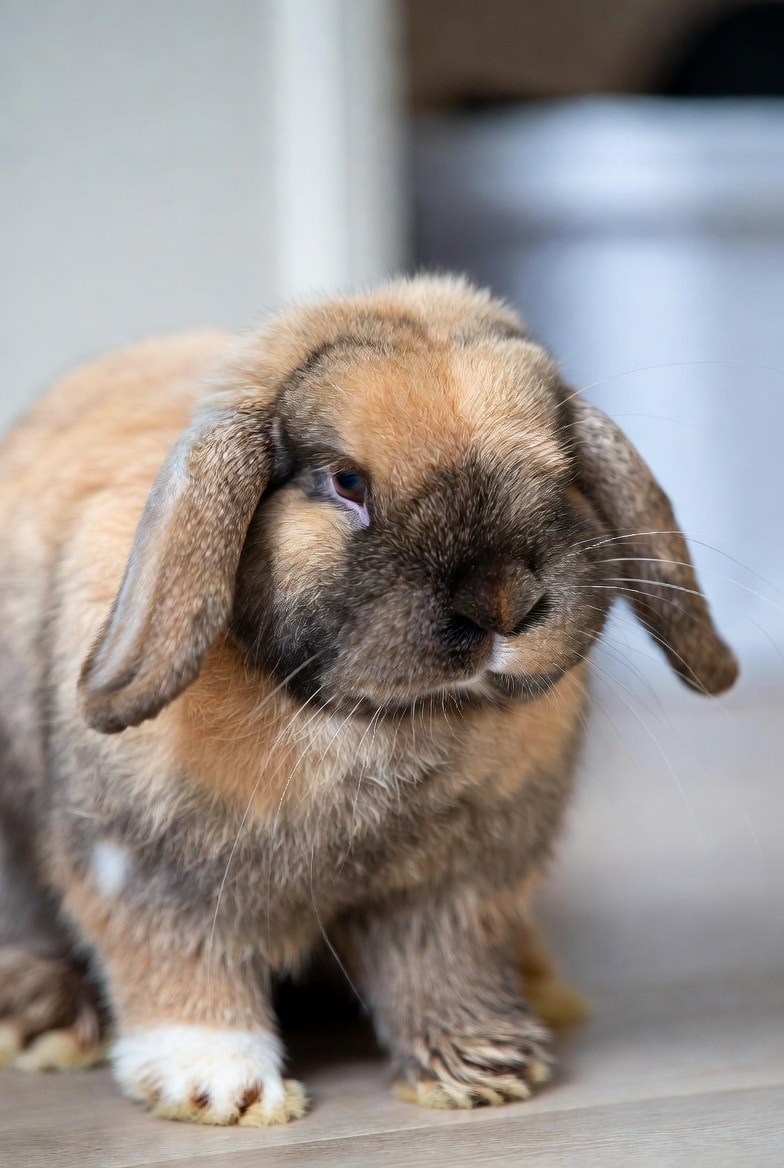
Rabbit teeth grow continuously, which is why dental care is tied closely to what a rabbit eats and how the teeth wear. You usually cannot judge dental health by looking only at the front incisors; painful problems can develop farther back in the mouth and show up first as changes in eating or droppings.
Hay supports normal chewing behavior
Long-fiber grass hay encourages the repeated side-to-side chewing rabbits are adapted to perform and supports gastrointestinal health. Poor hay intake can affect both teeth and digestion. Hay cannot correct inherited jaw shape, previous trauma or established malocclusion; a structural problem can develop despite an appropriate diet.
Front teeth are only part of the picture
Normal-looking incisors do not rule out painful cheek-tooth or root disease. The grinding teeth lie deep in the mouth and cannot be inspected effectively at home. A rabbit-experienced veterinarian can check alignment, jaw symmetry and oral pain. Persistent signs may require a more complete examination or imaging because an awake check does not reveal every problem.
Warning signs can be subtle
Watch for slower or cautious chewing, food dropping, sorting meals, chewing on one side or choosing greens and softened pellets while abandoning hay. A rabbit may still approach food eagerly while eating less effectively. Other signs include wet chin, drooling, reduced grooming, weight loss, eye or nasal discharge, facial swelling, smaller droppings or less interest in hay.
Changes in sociability or resistance to facial touch may also matter. Record when the change began and which foods are left. Do not wait for dramatic appetite loss or obvious thinness: a sudden drop in hay intake, especially with smaller droppings, needs attention.
Do not clip overgrown teeth at home
Do not clip, file or trim rabbit teeth with nail clippers or improvised tools. This can fracture a tooth, expose sensitive tissue and miss disease below the gumline. Correction requires appropriate equipment and assessment by a rabbit-experienced veterinarian, including the underlying cause of abnormal wear.
Weight tracking can catch problems earlier
Dense fur can hide gradual weight loss, and a rabbit may appear to eat while taking in less. Keep a baseline weight and use the same scale at a similar time of day for regular checks. A weekly record can reveal gradual change; also watch hay consumption and fecal output instead of relying on grams alone.
Dental disease can trigger GI slowdown
Painful chewing reduces food intake, which can reduce gut motility. A rabbit with dental signs plus fewer droppings or poor appetite needs timely veterinary evaluation rather than a wait-and-see approach.
When to contact a rabbit-experienced veterinarian
Contact a rabbit-experienced veterinarian promptly for drooling, facial swelling, reduced appetite, food dropping, weight loss, eye or nasal discharge associated with chewing problems, or any decrease in fecal output.
Bottom line
Hay and appropriate chewing support normal tooth wear, but they cannot correct every dental disorder. Dental pain is a medical problem, and early assessment helps protect both nutrition and gut function.
Rabbit-care reference: Rabbit.org — All About Teeth.
Related PetsFilled guides: rabbit diet and rabbit GI stasis warning signs.
Repeated dental procedures need an underlying plan
If dental correction is recurring, ask which teeth are affected, whether roots or jaw bone are involved, and how pain and nutrition will be managed between visits. Keep follow-up examinations or imaging appointments even when eating improves, because malocclusion and root disease can recur.
Bring a note showing the treatment date, hay intake before and after, foods refused, droppings, weight and any return of drooling or food dropping. That helps the clinic judge how long improvement lasted and whether the follow-up plan needs review.
Wet chin and facial fur deserve attention
Drooling may point to painful chewing or oral disease. Constant moisture can also irritate skin, so the underlying dental problem and the skin both need attention.
Eye and nasal discharge can sometimes connect to dental disease
Persistent one-sided tearing, nasal discharge, facial asymmetry or a firm jaw swelling can be associated with tooth-root disease or an abscess. Roots lie close to structures around the eyes and nose, so the investigation may include dental imaging. These signs need prompt assessment rather than home trimming.
Do not assume tooth grinding means contentment
Quiet tooth purring can occur in relaxed rabbits, but loud or persistent grinding paired with a hunched posture or reduced appetite may signal pain. Context matters.
0 comments