
Cat Flea Control: Safe Treatment and Why Dog Products Can Be Dangerous
Flea control in cats is one area where the wrong product can be dangerous. Products intended for dogs may contain ingredients that are unsafe for cats, and treating only the cat while ignoring the home environment can allow the infestation to continue.
Confirm what you are seeing
A flea comb can reveal adult fleas or dark flea dirt, especially around the lower back, tail base, neck and abdomen. Itching alone is not proof of fleas because allergy, mites and skin disease can look similar.
Use only cat-labeled products for the correct age and weight
Never assume a dog flea product is interchangeable with a cat product. Read the label every time and ask your veterinarian if you are unsure about the active ingredient, age restriction or weight range.
Treat the environment too
Adult fleas spend time on the animal, but eggs and developing stages can be present in bedding, carpets and household areas. Vacuuming, laundering pet bedding and following a veterinarian-recommended environmental plan help break the cycle.
All pets in the home need an appropriate plan
An untreated dog or cat can keep the flea population going. Each animal should receive a species-appropriate preventive chosen with veterinary guidance rather than sharing products between pets.
Watch kittens closely
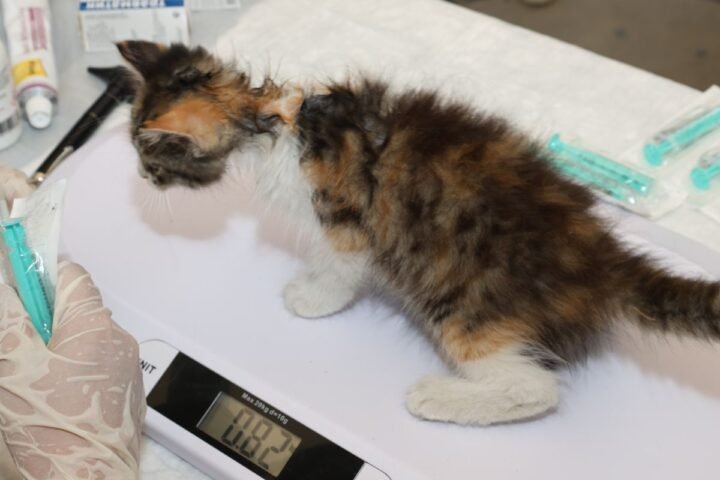
Heavy flea burdens can be more serious in small kittens because blood loss is proportionally greater. Pale gums, weakness or heavy infestation deserves prompt veterinary assessment.
Seek help for skin wounds or persistent itching
Cats with flea allergy can react intensely to bites and may scratch or groom until the skin is damaged. Secondary skin infection or ongoing itch after flea control may need additional veterinary treatment.
What to tell your veterinarian
Note which animals are affected, the products already used, exact active ingredients if known, the cat’s age and weight, itch locations, skin wounds and whether fleas or flea dirt are visible.
Bottom line
Use a cat-specific, appropriately dosed flea-control plan and address the home environment at the same time. Do not improvise with a dog product or combine preventives without veterinary guidance.
Veterinary reference: Cornell Feline Health Center — Fleas: A Source of Torment for Your Cat.
Related PetsFilled guides: cat nutrition and cat-friendly home guide.
The flea life cycle extends beyond the cat
Eggs fall from the coat into the environment, where immature stages can develop away from the animal. That is why seeing only a few adult fleas does not necessarily represent the size of the household problem. Consistent prevention and environmental cleaning are usually needed for long enough to interrupt the cycle.
Flea allergy can make a small infestation look dramatic
Some cats are highly sensitive to flea bites and may develop intense itching, hair loss or scabs from relatively few fleas. Absence of many visible adults does not exclude flea allergy, especially when the pattern affects the back, tail base, neck or thighs.
Indoor cats can still get fleas
Fleas can enter on other pets, people’s clothing or wildlife around the home. Indoor status reduces some exposure but does not make a cat immune. If one pet in the household has fleas, discuss a coordinated plan for every animal.
Monitor after applying any preventive
Follow label directions exactly and watch for vomiting, tremors, excessive drooling, weakness or skin reactions. If the wrong product was applied or a cat develops neurologic signs, contact a veterinarian or animal poison resource immediately rather than waiting for symptoms to resolve.
Treat the environment as part of the problem
Flea eggs and immature stages can be present in bedding, carpets and resting areas even when you see only a few adult fleas on the cat. Follow the product instructions your veterinarian recommends, wash bedding where appropriate, vacuum regularly and treat every pet in the household with species-appropriate products when advised.


0 comments