
Cat Sneezing: Common Causes, Contagious Illness and When to See a Vet
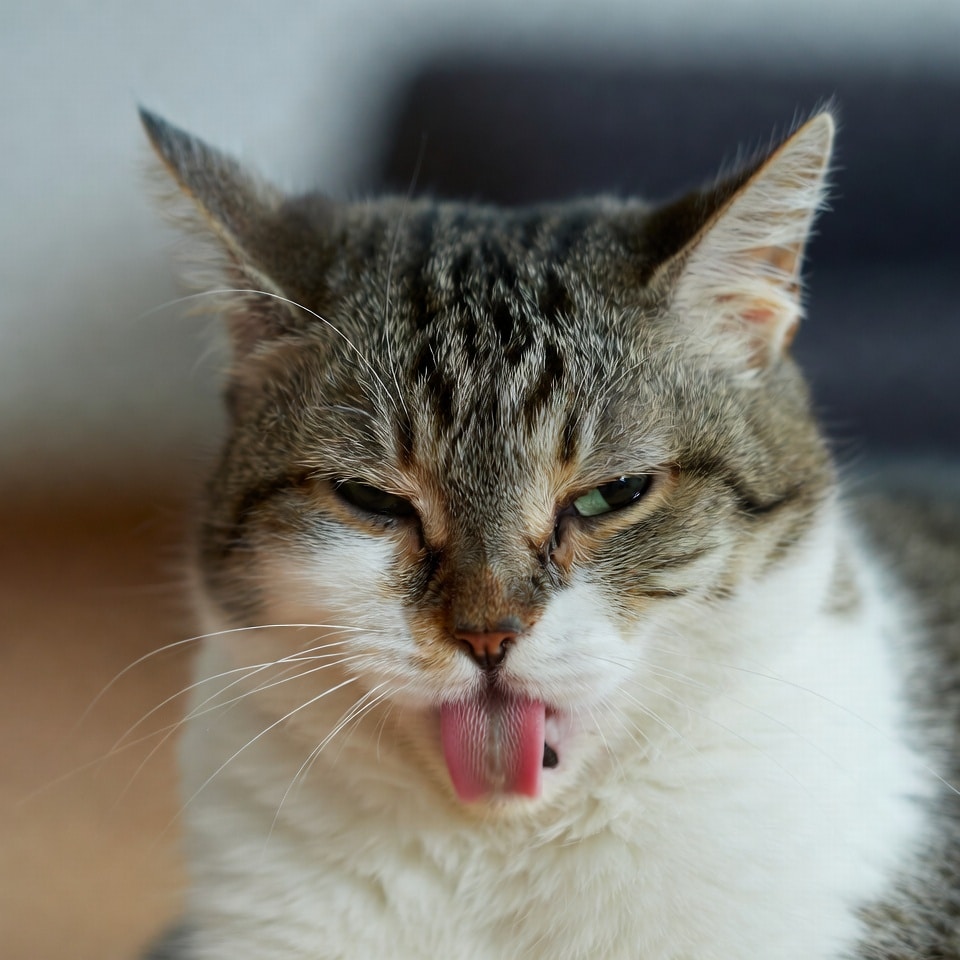
An occasional sneeze can be nothing more than dust or a brief nasal irritation. Repeated sneezing is different, especially when it comes with eye discharge, nasal discharge, reduced appetite, noisy breathing or low energy. The pattern matters more than one isolated sneeze.
Watch the eyes and nose
Clear or colored nasal discharge, watery or sticky eye discharge, squinting and congestion help distinguish a respiratory illness from an isolated sneeze. Cats with congestion may eat less because smell is important to appetite.
Some respiratory infections spread between cats
In multi-cat homes, separate food and water dishes, wash hands after handling a sick cat and ask your veterinarian how much isolation is appropriate. Newly adopted cats and kittens can be more vulnerable to infectious respiratory disease.
Breathing difficulty is different from sneezing
Open-mouth breathing, pronounced abdominal effort, blue or pale gums, collapse or obvious difficulty moving air are emergencies. Do not delay because you assume congestion is the only problem.
Do not use human cold remedies
Decongestants, essential oils and human cold medications may be unsafe for cats. Treatment depends on the cause and may include supportive care or prescription medication after veterinary assessment.
Appetite is an important severity clue
A congested cat may stop eating because food has less smell, but poor appetite can also signal more significant illness. Monitor eating, drinking and energy closely.
Persistent one-sided signs deserve investigation
Sneezing or discharge that is chronic, bloody or consistently from one nostril can require a closer nasal, dental or imaging workup. Recurrent symptoms should not be treated as a never-ending ‘cold’ without reassessment.
What to tell your veterinarian
Record how long sneezing has been occurring, whether one or both nostrils are involved, discharge color, eye signs, appetite, energy, breathing effort, vaccination history and exposure to new cats.
Bottom line
Occasional sneezing can be minor. Repeated sneezing with discharge, appetite loss, lethargy or persistent symptoms deserves veterinary evaluation, and any breathing difficulty is urgent.
Veterinary reference: Cornell Feline Health Center — Respiratory Infections.
Related PetsFilled guides: cat nutrition and cat carrier training.
Upper respiratory disease can affect more than the nose
Some feline respiratory infections also cause conjunctivitis, mouth ulcers, fever or generalized lethargy. A cat that is sneezing but still bright and eating may be managed differently from one that is dehydrated, painful or refusing food. The combination of signs determines urgency.
Humidity may improve comfort—but avoid irritating vapors
A comfortably humid room or brief time in a steamy bathroom can help loosen nasal secretions for some cats, but essential oils, menthol products and human vapor rubs should not be used around cats. Comfort measures should never delay examination when breathing is difficult.
Vaccination can reduce disease severity but does not prevent every sneeze
Core feline vaccines help protect against important respiratory pathogens, yet vaccinated cats can still develop respiratory signs. Tell the veterinarian when vaccines were last given and whether the cat came from a shelter, boarding facility or multi-cat environment.
Chronic sneezing needs a different mindset
Signs that persist for weeks or repeatedly return may prompt investigation for chronic inflammation, dental disease, polyps, fungal disease, foreign material or other nasal disorders. Repeatedly treating every episode as an uncomplicated infection can delay the correct diagnosis.
Look at the whole cat, not just the sneeze
Watch whether your cat can smell and eat normally, whether discharge is clear or thick, and whether breathing looks effortless. If several cats in the home develop similar signs, mention that when you call your veterinarian because some upper respiratory infections spread easily between cats.
Upper respiratory infections often involve the eyes and mouth too
Cornell lists eye discharge, nasal discharge, conjunctivitis, mouth ulcers, lethargy and reduced appetite among common upper-respiratory signs. A cat with only an occasional sneeze is a different situation from a cat that is congested, painful and no longer eating.
Appetite is a key severity clue
Congested cats may eat less because they cannot smell food normally. Warm, aromatic food may be more appealing, but a cat that refuses food, becomes dehydrated or loses weight needs veterinary attention rather than endless home coaxing.
Clear discharge and thick discharge are not the same observation
Clear watery discharge may occur early or with irritation. Thick yellow, green, bloody or one-sided discharge can change the veterinary differential and is worth describing accurately.
Take a photograph if the discharge changes before the appointment.
One-sided sneezing can deserve closer investigation
Persistent one-sided discharge or sneezing may prompt investigation for dental disease, foreign material, polyps, fungal disease or other nasal problems. The point is not to diagnose the cause at home, but to recognise when the pattern is less typical of a simple short-lived infection.
Chronic cases need a different plan
Repeatedly treating every recurrence as “another cold” can miss chronic inflammation or another underlying disorder. If signs continue for weeks, repeatedly return or fail to respond as expected, ask what further testing is appropriate.
Separate sick cats where practical
Some feline respiratory infections spread easily through direct contact and contaminated secretions. In a multi-cat home, use separate bowls and bedding where practical, wash hands after handling the sick cat and ask your veterinarian how much isolation is appropriate.
Reduce stress while the cat recovers
Keep the cat in a quiet, warm room with easy access to food, water and litter. Avoid unnecessary handling and large environmental changes. Stress can make recovery harder in some cats.
Clean discharge gently
Wipe dried discharge from the nose or eyes with a soft damp cloth. Do not use human eye drops, decongestants or topical medications unless a veterinarian has approved them.
Do not use essential oils or vapor rubs
Human respiratory products may contain substances that are unsafe for cats or irritating to feline airways. Humidified air can sometimes improve comfort, but strong vapours are not a safe substitute for treatment.
Breathing rate and effort matter
Cornell notes that lower-respiratory disease may cause rapid or difficult breathing. Open-mouth breathing, blue or pale gums, pronounced abdominal effort, collapse or severe weakness are emergencies.
Vaccination lowers risk but does not eliminate respiratory disease
Vaccines reduce the risk and severity of important feline respiratory infections, but vaccinated cats can still develop signs. Provide the vaccination history and any recent shelter, boarding or multi-cat exposure when you speak with the veterinarian.
A practical home record
- when sneezing started;
- eye and nasal discharge colour;
- appetite and water intake;
- resting breathing effort;
- energy level;
- any coughing, mouth ulcers or fever if measured professionally;
- whether other cats are affected.
When to call the veterinarian
Arrange veterinary assessment for persistent or worsening sneezing, reduced appetite, thick or bloody discharge, eye pain, lethargy, fever, dehydration or signs lasting longer than expected. Difficulty breathing is an emergency.
Upper-respiratory illness can affect appetite
Congested cats may eat less because smell contributes strongly to food interest. If sneezing is paired with reduced intake, monitor the cat more closely rather than assuming appetite will return automatically.
Eye signs matter too
Squinting, eye pain, marked redness or thick discharge can occur with respiratory disease and may need treatment. Do not use leftover human or veterinary eye medication without guidance.
Multi-cat homes need practical infection control
If one cat is ill, use separate bowls where practical, wash hands between handling cats and clean shared surfaces. Stress reduction and good ventilation can also support recovery.
One-sided discharge deserves attention
Persistent discharge from one nostril, especially if bloody or associated with facial swelling, can point away from an ordinary viral upper-respiratory infection and deserves veterinary assessment.
0 comments