
Cat Urinary Blockage: Emergency Signs and What to Do

A cat making repeated trips to the litter box, straining and producing little or no urine may have a urethral obstruction. This is especially dangerous in male cats because their urethra is narrower. A complete blockage can become life-threatening rapidly.
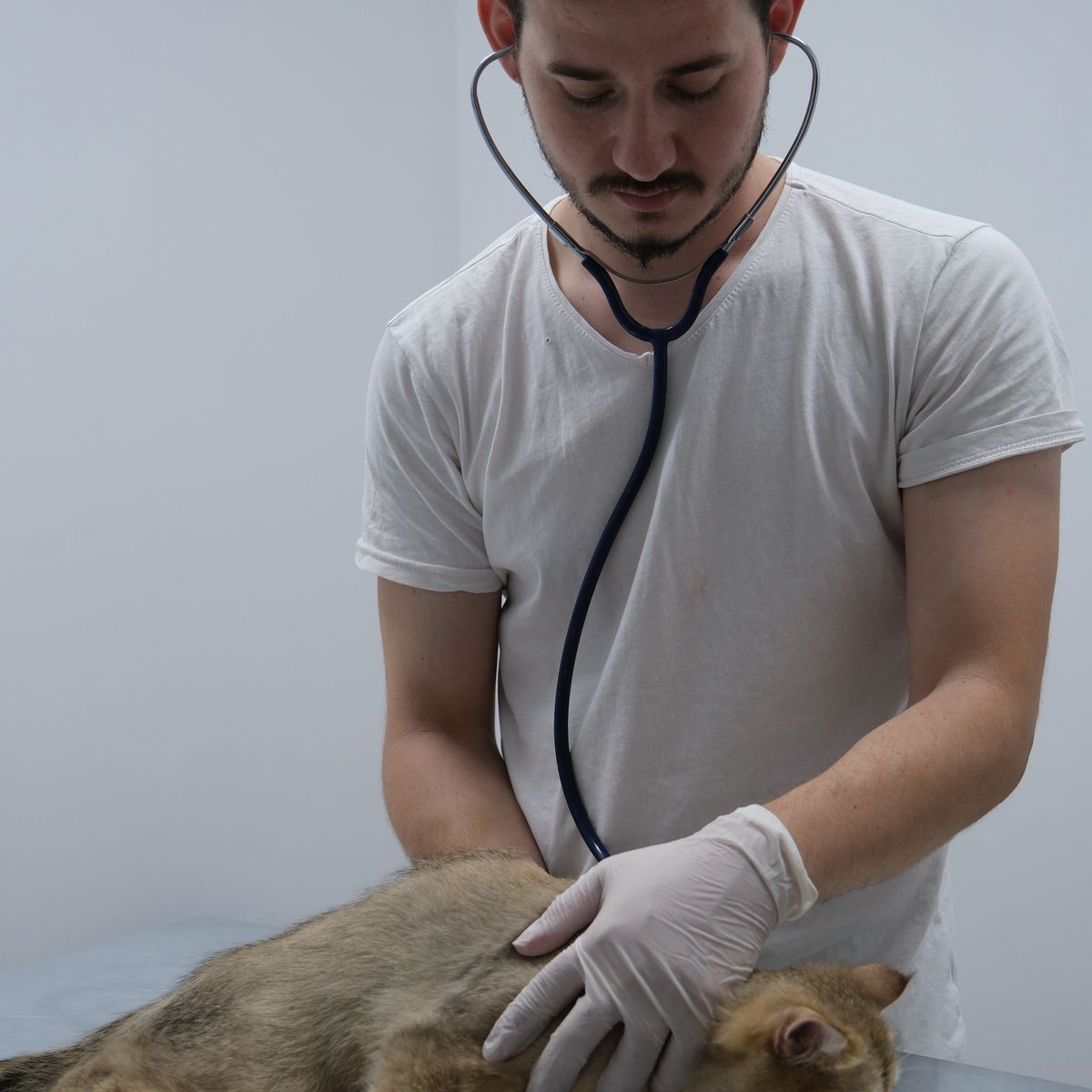
Emergency warning signs
- repeated attempts to urinate;
- little or no urine produced;
- crying or obvious pain in the litter box;
- licking the genital area repeatedly;
- restlessness or hiding;
- vomiting, weakness or collapse as the condition progresses.
The Cornell Feline Health Center calls urethral obstruction an absolute emergency because urine cannot leave the body and dangerous electrolyte and toxin changes can follow.
Do not wait to see whether the cat “goes later”
If you are unsure whether your cat is urinating, check the litter for fresh clumps while arranging veterinary care. Do not spend hours trying home remedies.
Do not press on the abdomen
Trying to squeeze the bladder can cause pain and injury. Diagnosis and relief require veterinary examination and, when obstructed, often sedation and urinary catheterization.
Blockage is not the only cause of urinary signs
Bladder inflammation, stones, plugs, infection and other lower urinary tract problems can cause similar straining. That is another reason the cat needs an exam rather than treatment based on appearance alone.
After treatment
Follow-up depends on the cause. Your veterinarian may recommend changes in diet, water intake, environmental stress reduction or further testing.
Prevention is not one-size-fits-all
Increasing moisture can help some cats, but recurrent urinary disease needs an individualized plan. Do not switch to a “urinary” product simply because the label sounds appropriate.
For hydration strategies, see our cat nutrition guide. For litter setup that makes urinary changes easier to notice, use our cat-friendly home guide.
Constipation can look similar from across the room
Owners sometimes cannot tell whether a cat is straining to urinate or defecate. Because urinary obstruction can be rapidly life-threatening, repeated unproductive litter-box straining in a male cat should be treated as a urinary emergency until a veterinarian determines otherwise.
Behavior can change before collapse
A blocked cat may initially seem restless, hide, vocalize or lick the genital area. Waiting for dramatic weakness or collapse means waiting until the disease is much more advanced.
What treatment may involve
When an obstruction is confirmed, veterinary care may include stabilization, pain relief, blood testing, urinary catheterization and hospitalization. Imaging or urinalysis may help investigate stones, plugs and other contributors.
Re-obstruction is possible
After discharge, watch urine production closely and follow medication, diet and environmental instructions. A cat that begins straining again after recent treatment needs prompt reassessment.
Stress reduction is supportive, not a substitute for emergency care
Environmental stress can play a role in feline lower urinary tract disease, but no calming product can unblock a urethra. Emergency obstruction must be relieved physically by a veterinary team.
Make urine output easier to notice
Clean litter boxes at least daily and learn the normal number and size of urine clumps for your cat. That simple baseline can help you recognize a meaningful change earlier.
What urinary blockage actually means
A urethral obstruction prevents urine from leaving the bladder normally. Cornell describes complete urethral obstruction as a true medical emergency because toxins and electrolyte abnormalities can build quickly when the cat cannot urinate.
Male cats are at higher risk
Male cats have a longer, narrower urethra, which makes obstruction more likely. Neutered males are also commonly affected. Female cats can have painful urinary disease too, but complete urethral blockage is especially concerning in males.
Early signs can look like constipation
A blocked cat may make repeated trips to the litter box, squat, strain, vocalize, lick the genital area or produce only drops. From across the room, this can look like difficulty passing stool. If you cannot confirm urine is being produced, treat the situation as potentially urinary until a veterinarian proves otherwise.
Do not wait for collapse
As obstruction progresses, the cat may become increasingly distressed, vomit, hide, stop eating, become weak or collapse. Cornell notes that a completely blocked cat can deteriorate rapidly and that death may occur within roughly 24 to 48 hours without relief. Waiting for dramatic signs loses valuable time.
Do not press or squeeze the bladder
Trying to manually empty the bladder at home can cause severe pain or injury and will not reliably remove an obstruction. Transport the cat for emergency veterinary care instead.
Do not give leftover antibiotics or pain medicine
Urinary signs have several possible causes, and some human painkillers are dangerous to cats. Medication cannot substitute for physically relieving a blocked urethra.
What the veterinary team may check first
The team will assess the cat’s stability, bladder size, pain, hydration and heart rhythm and may run blood tests to evaluate kidney values and electrolytes. Urinalysis and imaging may help identify stones, crystals or other contributors once the emergency is stabilized.
Why catheterization is commonly needed
When obstruction is confirmed, treatment often involves sedation or anesthesia and placement of a urinary catheter to relieve the blockage. Cornell notes that catheterization is a common part of treatment, with additional procedures used when necessary.
Hospital monitoring can be important after relief
Once urine flow is restored, the cat may still need intravenous fluids, pain control and monitoring of electrolytes, kidney function and urine production. Being “unblocked” does not always mean the medical risk has ended.
Re-obstruction can happen
A cat that has blocked once can block again. After discharge, watch litter-box trips and urine output closely. New straining, tiny clumps or repeated unproductive attempts deserve prompt reassessment.
Stress and environment can matter after the emergency
AAHA/AAFP guidance notes that environmental stress can contribute to feline lower urinary tract signs. That is why post-discharge plans may include more litter boxes, predictable routines, separated resources and other environmental changes.
Diet changes should be based on the cause
Some cats benefit from veterinary urinary diets, especially when crystals or stones are involved, but there is no single urinary diet that fits every blocked cat. Follow the diagnosis and discharge plan rather than choosing a food only because it says “urinary” on the package.
Water intake may be part of prevention
Your veterinarian may recommend strategies to increase total water intake, such as wet food or additional water stations, depending on the cat’s diagnosis. Hydration support is preventive care; it does not treat an active blockage.
A practical home monitoring checklist after discharge
- confirm actual urine clumps are appearing;
- note how often the cat visits the box;
- watch for straining or vocalizing;
- track appetite and water intake;
- give prescribed medication exactly as directed;
- keep follow-up appointments and recommended urine testing;
- seek urgent help if urine output drops again.
When in doubt, treat inability to urinate as an emergency
Cornell lists inability to urinate among situations that should bypass routine urgent care and go directly to emergency services. If a male cat is straining repeatedly and you cannot verify urine production, do not wait overnight to see whether the problem resolves on its own.
Do not rely on a normal-looking abdomen
Owners cannot reliably judge bladder size or obstruction by looking or gently feeling the abdomen. A cat may still be blocked even if the belly does not appear enlarged.
Repeated tiny urine spots still need attention
Passing a few drops does not prove the urethra is fully open. Frequent attempts, pain, vocalizing or worsening distress still require veterinary assessment.
After discharge, keep the litter setup easy to monitor
For the first days at home, clean boxes frequently enough that new urine clumps are obvious. If several cats share the home, temporary separation may help confirm which cat is urinating normally.
0 comments