
Puppy Potty Training Regression: Causes and a Calm Reset Plan
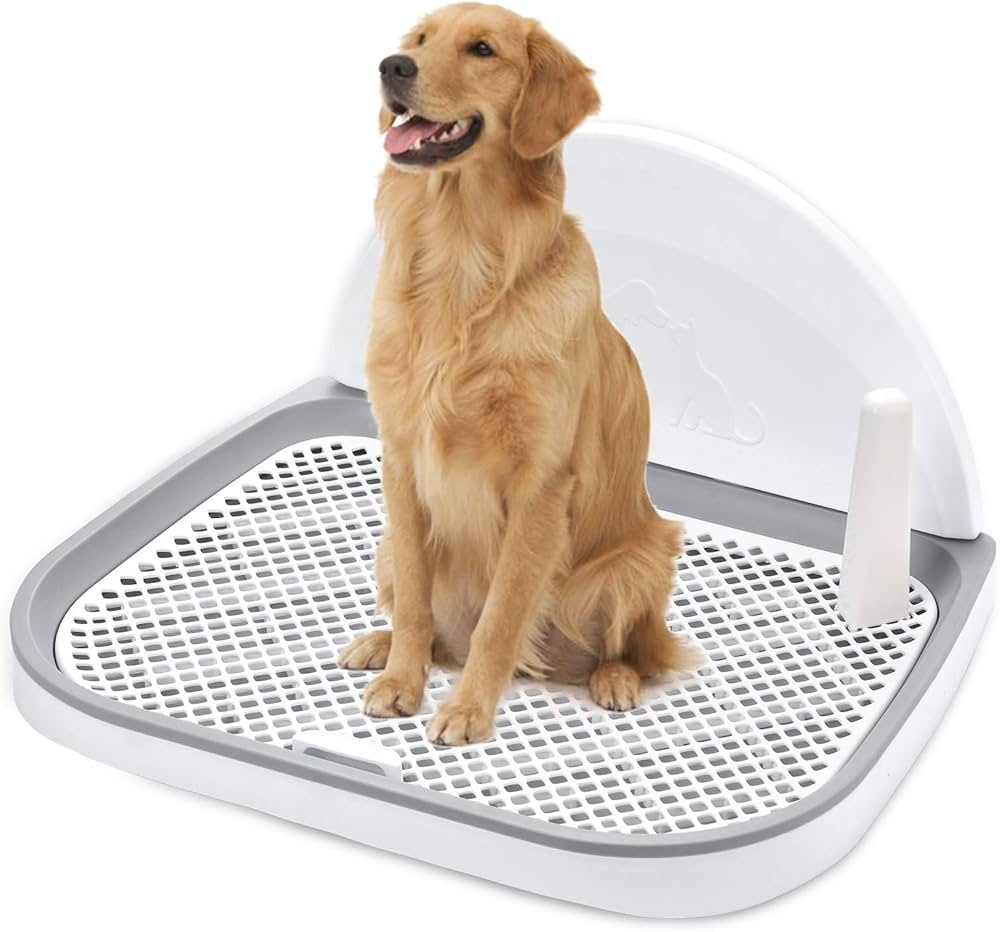
A puppy that starts having accidents after a stretch of success has not necessarily “forgotten” housetraining. Development, schedule changes, excitement, stress, increased freedom and medical problems can all change elimination patterns. The useful response is to work out what changed, reduce opportunities for mistakes and rebuild the routine without punishment.
First: rule out a health problem when the change is sudden
Contact your veterinarian if a previously improving puppy suddenly urinates much more often, strains, has blood in the urine or stool, develops diarrhea, drinks unusually large amounts, seems painful, has accidents during sleep, or is otherwise unwell. Urinary, gastrointestinal and other medical problems can look like training failure.
Why accidents often return
- More freedom too soon: the puppy has access to rooms where signals are easy to miss.
- A changed schedule: work, school, visitors or travel can shift toilet opportunities.
- Growth and distraction: a puppy may become more interested in the environment and less focused on toileting outside.
- Stress or excitement: household changes can affect routines and elimination.
- Incomplete learning: success in one room or one schedule does not mean the behavior is fully generalized.
A simple reset plan
1. Temporarily increase supervision
Keep the puppy close enough that you can notice sniffing, circling, wandering away or suddenly stopping play. Use gates, a pen or a leash attached to an adult when appropriate rather than allowing unrestricted access to the whole home.
2. Offer more frequent outdoor opportunities
Take the puppy to the toilet area after waking, eating, drinking, active play and other predictable transitions. Very young puppies need frequent opportunities; there is no single bladder-hour formula that fits every puppy.
3. Reward immediately after toileting in the right place
Use calm praise and a small reward right after the puppy finishes. The timing helps the puppy connect the location and behavior with the reward.
4. Make outdoor toilet trips boring until the job is done
Give the puppy enough time to sniff and settle, but avoid turning every trip into an exciting play session before toileting. Once the puppy finishes, a short walk or play can become an additional reward.
5. Clean indoor accidents thoroughly
Use a pet-safe enzymatic cleaner suitable for the surface. Residual odor can draw a puppy back to the same area even when humans can no longer smell it.
Do not punish accidents
Scolding, rubbing a puppy’s nose in an accident or startling the puppy does not teach the desired toilet location. It can instead teach the puppy to hide elimination from people. Veterinary behavior guidance supports reward-based training rather than aversive methods.
What about a crate?
A crate can be a management tool when a puppy has been gradually taught to rest there comfortably. It should not be used to force a puppy to hold urine or stool longer than is reasonable, and it should not be a punishment. If the puppy repeatedly toilets in the crate, review crate size, schedule, stress and possible medical causes.
Track patterns for a week
Write down sleep, meals, water, play, outdoor trips and accidents. Patterns often become obvious quickly. A log is also useful information for your veterinarian or trainer if the problem persists.
When to get training help
If accidents continue despite a consistent routine and medical causes have been addressed, a qualified reward-based trainer can help evaluate timing, supervision and environmental setup. For broader foundations, see our puppy training guide.
Sources and further reading
Sudden or unusual elimination changes can have medical causes. Contact your veterinarian when symptoms, pain or a major change in drinking or urination is present.
0 comments