
First-Time Dog Owner Guide: What to Prepare and Learn
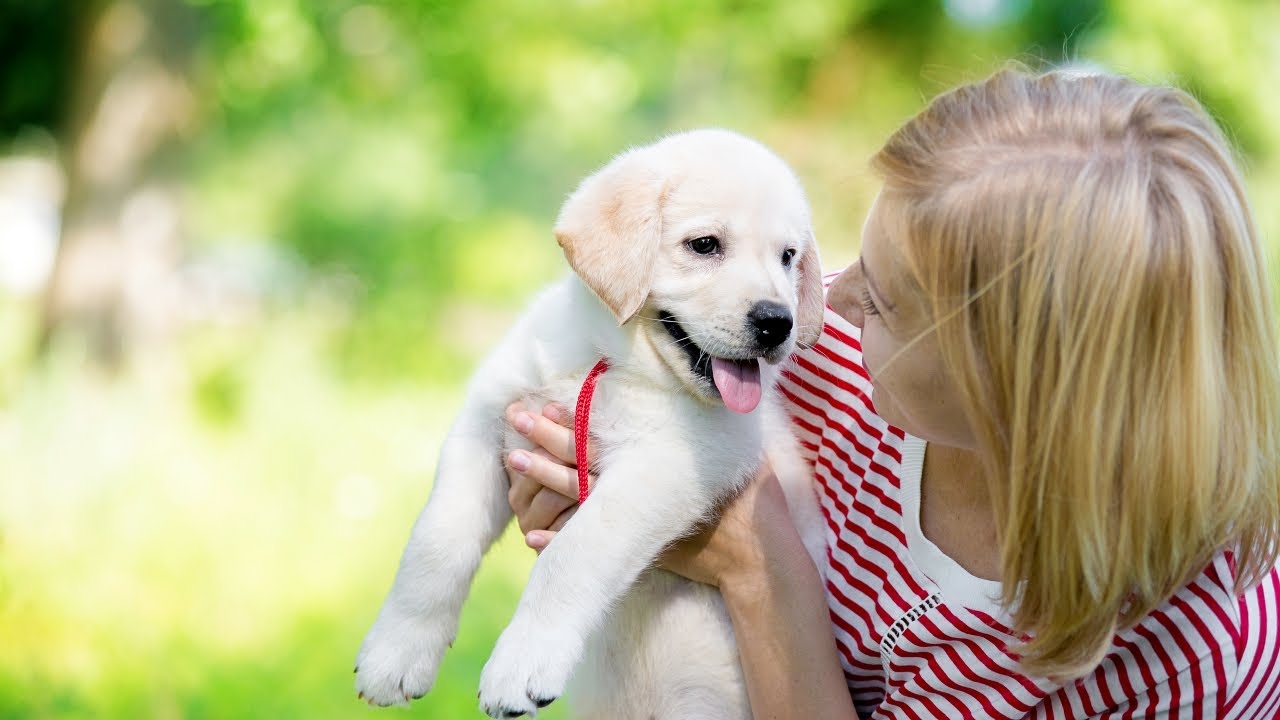
Being a good first-time dog owner does not require knowing everything on day one. It requires a safe setup, a willingness to learn the individual dog’s needs, and a plan for veterinary care, nutrition, training, exercise and unexpected expenses.
Before the dog arrives
- Choose a veterinarian and identify the nearest emergency clinic.
- Prepare a secure sleeping and resting area.
- Buy an appropriate collar or harness, leash, bowls and identification.
- Remove accessible medications, toxic foods, chemicals and small objects.
- Decide who handles feeding, toilet breaks, walking and training.
- Set a realistic care budget, including an emergency plan.
Keep the first days simple
A new home can be stimulating or frightening. Avoid scheduling a parade of visitors. Give the dog time to sleep, explore at a comfortable pace and learn the household routine. Rescue dogs and puppies may need very different amounts of decompression, so avoid rigid “three-day” or “three-week” rules presented as guarantees.
Arrange a veterinary visit
Bring all available records. The veterinarian can review vaccination status, parasite prevention, diet, body condition, microchip information, dental health and any medical concerns. Recommendations should reflect age, history, geography and lifestyle rather than a generic internet checklist.
Choose food by nutritional need, not advertising
Use a complete and balanced diet for the dog’s life stage. Puppies need growth nutrition; adults need an appropriate maintenance or other suitable formulation. If the dog arrives eating a food that is working well, there may be no reason to change it immediately unless the veterinary team advises otherwise.
Build predictable routines
Regular feeding, toilet opportunities, rest and exercise help a dog understand the new household. Predictable does not mean inflexible. Adjust as you learn the dog’s bladder control, energy, sleep and stress patterns.
Use reward-based training from the start
Teach the skills that make daily life safer: responding to a name, recall, settling, loose-leash walking, leaving unsafe items and cooperating with handling. Veterinary behavior organizations recommend reward-based methods and advise against aversive tools and punishment.
Start with our beginner puppy training guide if your new dog is a puppy.
Exercise should fit the dog
More exercise is not always better. Age, breed traits, fitness, weather and health matter. Growing puppies, senior dogs and dogs with respiratory, orthopedic or cardiac disease may need modified activity. Sniffing and exploration can be valuable even when the walk is not long.
Provide mental enrichment
Food puzzles using part of the daily ration, sniff games, cardboard searches and short training sessions can make indoor time more interesting. See our DIY dog enrichment guide.
Learn basic safety
Keep xylitol, chocolate, grapes, raisins, alliums, medications and other hazards secured. Use a leash or secure fenced area outdoors. Do not leave young children unsupervised with a dog. Use gates and separation proactively when the environment becomes too busy.
Our toxic-food guide covers common ingestion hazards.
Expect behavior to change as the dog settles
A quiet dog on day one may become more active after gaining confidence. A dog may also reveal fears, guarding or separation distress that were not obvious initially. Respond to the behavior you actually see rather than assuming it reflects stubbornness or dominance.
Budget beyond the adoption or purchase fee
Food, veterinary care, parasite prevention, training, grooming, equipment, boarding and emergencies all add to the cost of ownership. Our first-year dog budget checklist can help you create local estimates.
Sources and further reading
- AAHA: Preparing for a New Puppy
- AAHA: Canine Life Stage Guidelines
- AVSAB: Humane Dog Training Position Statement
This guide is a starting point, not an individualized veterinary or behavior plan.


0 comments