
Barnacle Goose (Branta leucopsis): Migration, Identification and the Medieval Myth
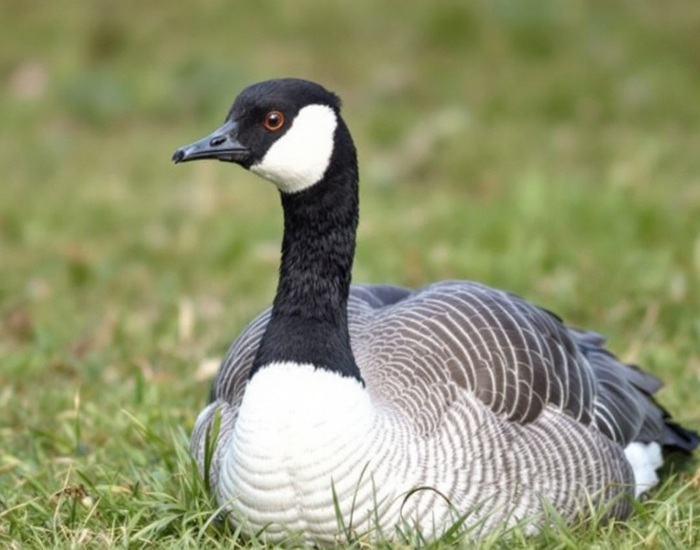
The Barnacle Goose (Branta leucopsis) is a small, sharply patterned goose with a black neck, white face and silvery-grey back. Wild populations breed in the Arctic and migrate south to spend winter around coastal wetlands and grasslands.

What to look for
The RSPB highlights the white face, black head and neck, and silvery-grey body as the main identification features. The bird is smaller and more compact than many familiar grey geese.
Where wild birds spend the year
Wild Barnacle Geese breed at high northern latitudes, including Greenland and Svalbard populations, then move south to wintering areas around Britain, Ireland and continental Europe. Large flocks can gather on coastal marshes and feeding fields.
Why the old myth arose
Medieval Europeans saw Barnacle Geese in winter but did not know where they bred. That gap helped produce the bizarre belief that the birds developed from marine barnacles or driftwood. A historical review of the legend in the journal Isis explains how the story persisted while Arctic breeding grounds remained poorly known.
The bird and the crustacean do not share a life cycle
Modern ornithology makes the distinction simple: Barnacle Geese hatch from eggs like other geese. Goose barnacles are crustaceans. The similarity in names reflects history and folklore, not biology.
What do Barnacle Geese eat?
They graze on grasses and other vegetation, especially on coastal pastures and marshes. Winter flocks can feed intensively during daylight before returning to safer roosting areas.
Why flocks matter
Large groups improve collective vigilance and make the birds conspicuous during migration and winter. Flock size alone should not be used to infer abundance trends across the entire species; conservation assessment depends on population-specific monitoring.
Family groups remain visible after breeding
Adults and young can stay together during migration and winter, and family structure can influence how flocks move and feed. Juveniles are less sharply marked than adults, so mixed-age groups can look more variable than field-guide illustrations suggest.
Why coastal grasslands are so important
Barnacle Geese need short nutritious vegetation within reach of safe roosts. Saltmarsh, coastal pasture and managed grasslands can therefore be important winter habitat, especially when large numbers return to the same broad areas year after year.
Migration routes connect distant countries
A bird breeding in the Arctic may spend winter far to the south, which means conservation decisions in several countries affect the same population. Disturbance, hunting policy and habitat management cannot be understood only at the breeding site.
Flocks are not random crowds
Geese respond to neighbors, family members, predators and feeding opportunities. Individuals at the edge of a flock may be more vigilant while others feed, and the balance can shift as danger changes.
Why repeated disturbance matters
Every unnecessary flight costs energy. On wintering grounds, birds are trying to maintain condition while preparing for migration. Dogs, drones or people repeatedly flushing a flock can reduce feeding time even if no bird is visibly injured.
How to tell Barnacle Geese from Canada Geese
Both have black and white on the head, but Canada Geese are much larger and show a white cheek patch rather than the Barnacle Goose’s broad white face. Body pattern and overall size make the distinction clearer at distance.
Escaped or feral birds complicate records
In some regions, birds outside the expected wild range may originate from collections or established feral populations. Local bird records and season can help distinguish a migration event from a resident non-wild population.
The medieval myth influenced dietary rules
The strange belief that Barnacle Geese grew from marine organisms was not merely a curiosity; in parts of medieval Europe it intersected with debates about whether the birds counted as meat during fasting. That historical episode shows how missing biological knowledge can shape cultural classification.
Climate and agriculture may change winter distribution
Warmer winters and changes in pasture management can affect where geese find suitable feeding areas. Long-term counts are important because local abundance may shift even when the global population trend is different.
Wintering flocks can move between feeding fields
A group seen in one pasture in the morning may feed elsewhere later in the day. Counts from a single field therefore do not represent the whole local population unless movements are understood.
Roost sites provide safety
Birds often spend the night on open water, islands or other places that reduce predator access. Protecting daytime feeding habitat without secure roosts can leave the wintering system incomplete.
Disturbance accumulates
One short flight may seem trivial, but repeated flushing throughout the day can reduce feeding time substantially. This is especially important during cold weather when energy demands are high.
Tourism and birdwatching need space
Popular goose spectacles can attract large numbers of people. Designated viewpoints and controlled dog access allow observation without forcing birds to abandon productive fields.
Population management should be population-specific
Different Barnacle Goose populations have different trends and conservation concerns. Management decisions should use the relevant population data rather than the global species name alone.
Juveniles can be identified by subtler plumage
Young birds may show less crisp face pattern and more subdued body tones. Mixed-age flocks can therefore look variable even when only one species is present.
Flock counts need repeated surveys
Because birds shift between fields and roosts, one count can under- or overestimate local use. Repeated synchronized surveys give a more reliable picture.
Grazing conflict requires evidence
Large flocks can affect crops, but the scale varies by field, season and management. Decisions work best when based on measured damage and population data rather than frustration alone.
Migration timing can shift with weather
Cold snaps, wind and food conditions can change when flocks arrive or leave. A single early or late season should not be treated as a permanent shift without longer-term data.
Conservation debates need population context
Because some populations are abundant while others face different pressures, management decisions should identify exactly which breeding and wintering group is being discussed.
Flock behavior changes through the day
Birds may feed intensively after leaving a roost, rest during quieter periods and move again before dusk. Timing your observation can reveal very different aspects of the same flock.
Long migrations make energy balance critical
Birds must arrive at stopovers and wintering areas with enough reserves to feed, avoid predators and continue moving. Repeated disturbance can reduce that margin, especially during cold or poor feeding conditions.
Protecting feeding areas, roosts and migration stopovers together gives these long-distance birds the best chance of maintaining body condition across winter and migration.
Winter body condition supports spring migration
Birds that spend winter repeatedly losing feeding time to disturbance may reach migration in poorer condition. Protecting quiet feeding and roosting areas therefore supports the next stage of the annual cycle as well as the current season.
Quiet observation protects feeding time and helps the flock conserve energy before migration, especially during cold weather, disturbance or after long-distance travel between feeding and roosting areas throughout winter and early spring migration periods each year naturally.
Watching responsibly
Keep dogs under control around feeding and roosting flocks so birds are not repeatedly forced to fly and waste energy. If you enjoy goose behavior, our Greylag Goose guide covers a larger species with a very different relationship to domestication.
0 comments