
Fresh Dog Food: How to Compare Safety, Nutrition and Cost
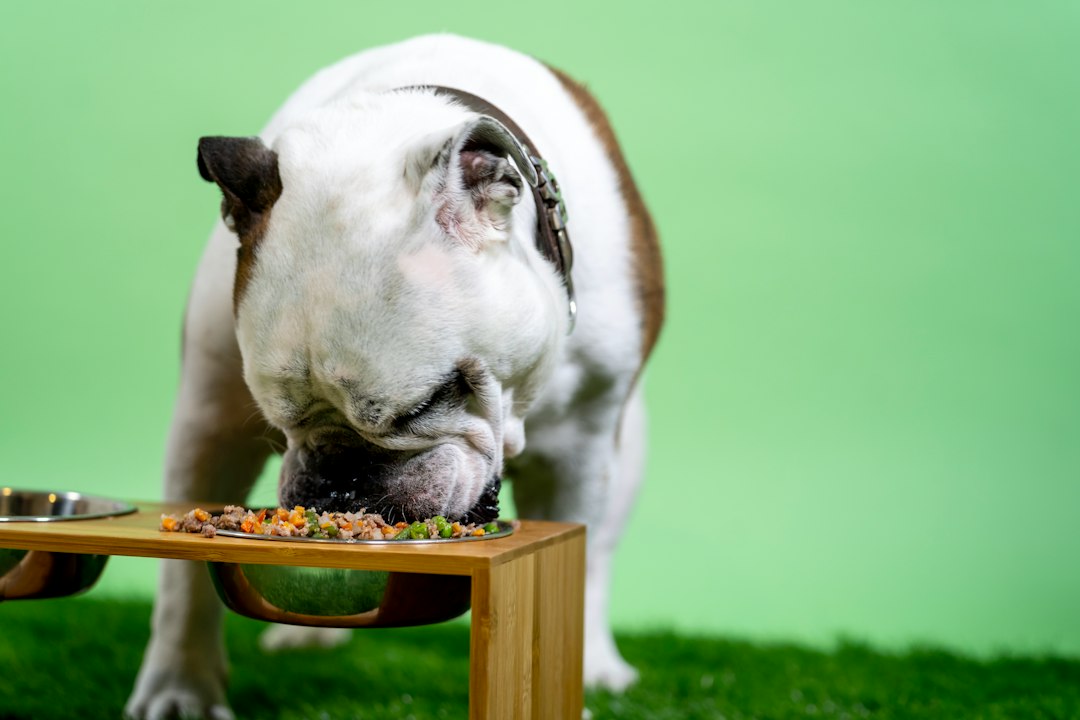
“Fresh dog food” can mean refrigerated cooked food, frozen cooked food, lightly cooked meals, commercially prepared fresh diets or raw products. The word fresh describes presentation more than nutritional quality, so the important questions are whether the diet is complete, how it is processed and stored, and whether it fits the dog’s life stage and health.

First check: is it complete and balanced?
A fresh-looking meal can still be nutritionally incomplete. Check the nutritional-adequacy statement and intended life stage. AAFCO guidance emphasizes complete-and-balanced nutrition over marketing language.
Fresh does not automatically mean healthier
Texture, refrigeration and recognizable ingredients can make fresh food appealing to owners, but those features do not prove better nutrient balance or safety. Compare the finished diet, not the visual appearance alone.
Cooked fresh food and raw food are different categories
A refrigerated cooked diet is not nutritionally or microbiologically equivalent to raw meat. Processing method matters.
The FDA warns that raw pet food can carry higher risk of contamination with disease-causing bacteria such as Salmonella and Listeria.
Raw feeding adds household risk
Raw-food contamination can affect both pets and people through hands, bowls, surfaces and feces. This is especially important in homes with young children, older adults, pregnant people or immunocompromised household members.
Refrigeration is part of the feeding plan
Fresh foods often have shorter storage windows. Follow the manufacturer’s refrigeration or freezing instructions, thaw safely and discard food that has been left out too long.
FDA safe-handling guidance recommends prompt refrigeration or disposal of leftover canned and pouched foods; the same general food-safety discipline is useful for refrigerated fresh diets.
Calories can be easy to underestimate
Fresh food can look less calorie-dense because of its moisture and volume. Check kilocalories per package, serving or gram and calculate the actual daily intake.
Use our dog feeding guide to adjust portions from body condition.
Fresh food for puppies
A puppy needs complete growth nutrition regardless of format. For large-breed puppies, verify suitability for growth of large-size dogs.
See our puppy food labels guide before choosing a fresh puppy diet.
Fresh food for adults
A healthy adult can do well on a complete fresh diet if calorie intake is appropriate and the food is stored and handled correctly.
Fresh food for seniors
Soft texture may appeal to older dogs with chewing difficulty, but dental pain, weight loss or appetite change still deserves veterinary assessment.
Ingredient transparency can be useful—but incomplete
Recognizable ingredients can help owners understand what is in the food, but the ingredient list alone cannot tell you whether the diet supplies all required vitamins, minerals and amino acids in the right amounts.
Home-cooked is not automatically complete
Meat, rice and vegetables can look wholesome while still being deficient in calcium, trace minerals, vitamins or essential fatty acids.
Long-term homemade diets should be formulated for the individual dog by a veterinarian with advanced nutrition expertise or a board-certified veterinary nutritionist.
Compare manufacturer expertise
The WSAVA nutrition resources encourage owners to ask who formulates the diet, what nutrition expertise is available, where the food is made and what quality-control testing occurs.
Fresh food can be expensive
Compare cost per day, not package price. Include shipping, refrigeration, freezer space and discarded leftovers.
Our budget dog food guide shows how to compare cost from actual daily intake.
Subscription plans can hide waste
Automatic deliveries are convenient, but they can become expensive if portions are inaccurate or packages arrive faster than they are used. Recalculate after weight or activity changes.
Fresh versus wet canned food
Both are high-moisture formats, but shelf stability and processing differ. Canned foods are heat processed for commercial sterility, while refrigerated fresh foods depend more heavily on cold-chain storage.
See our wet dog food guide for canned-food comparisons.
Fresh versus dry food
Dry food is easier to store and often less expensive per calorie. Fresh food may offer texture and palatability advantages for some dogs. Neither format wins automatically.
Use our dry dog food guide for the kibble comparison framework.
Sensitive stomachs
A fresh label does not guarantee better digestion. Fat content, fiber, protein source and individual disease still matter.
For chronic gastrointestinal signs, see our sensitive-stomach guide.
Medical conditions can change the decision
Kidney disease, pancreatitis and other conditions may require specific nutrient targets that ordinary fresh diets do not meet.
See our kidney-disease guide and pancreatitis guide.
How to compare two fresh diets
- Confirm nutritional adequacy and life stage.
- Identify whether the product is cooked or raw.
- Compare calories per package or gram.
- Review manufacturer nutrition expertise and quality control.
- Check storage and delivery requirements.
- Calculate cost per day.
- Monitor body condition and digestive tolerance.
How to transition
For a healthy dog, introduce a new fresh diet gradually unless a veterinarian recommends otherwise. Keep treats stable during the transition so digestive changes are easier to interpret.
When fresh food should not be used to hide a medical problem
Persistent appetite loss, vomiting, diarrhea or weight loss needs evaluation. A more palatable diet may encourage eating temporarily without addressing the cause.
Bottom line
Fresh dog food can be a practical, complete diet when it is properly formulated, safely processed and stored, and fed in the right amount. “Fresh” itself is not a safety or quality guarantee. Compare nutritional adequacy, processing, manufacturer expertise, calories, storage and cost before deciding.
How to judge a fresh-food delivery service
Before subscribing, check whether the recipes are complete for the intended life stage, who formulates them, how they are cooked or processed, how cold-chain delivery is managed and what happens if a shipment arrives warm or damaged. Convenience should not replace basic nutrition and food-safety checks.
Portion packs are only estimates
Pre-portioned meals are convenient, but the recommended packet count is still a starting point. Recheck body condition and weight because individual energy needs vary. If the dog gains or loses weight, the portion should be adjusted rather than assuming the subscription algorithm is always correct.
Fresh food and picky eating
Fresh diets can be highly palatable, which may help some dogs eat. The downside is that repeatedly escalating to richer fresh foods can make it harder to interpret true appetite changes. Sudden appetite loss, nausea or weight loss still needs medical evaluation.
Fresh food for multi-dog households
Different dogs may need different calorie amounts even when they eat the same recipe. Label containers, portion meals separately and prevent one dog from finishing another dog’s bowl. This matters especially when one dog is on a weight-control or therapeutic plan.
Freezer and refrigerator management
Rotate packages by date, thaw only what will be used within the manufacturer’s safe window and avoid repeatedly warming and re-cooling food. Clean bowls and preparation surfaces after feeding, especially when handling raw or minimally processed products.
When a fresh diet is not worth the added cost
If the dog already thrives on a complete dry or canned diet and there is no medical or practical reason to change, a fresh subscription is optional rather than necessary. Spend decisions should follow the dog’s needs, not pressure from premium marketing.
How to avoid accidental overfeeding with fresh food
Because fresh meals can look modest in volume, owners sometimes add extra portions or toppers. Use calories rather than visual bowl size, and keep treats within the same daily allowance. If the dog begins gaining weight, adjust the measured amount before changing the entire diet.


0 comments