
Dry Dog Food: How to Compare Kibble Without Brand Hype
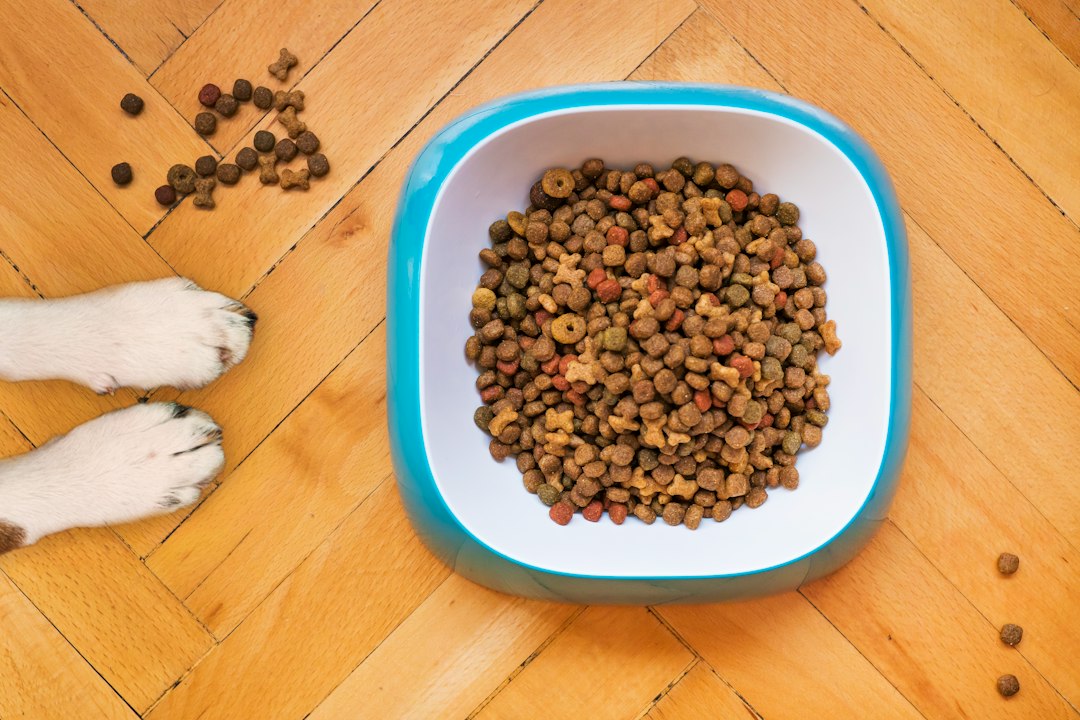
Dry dog food is convenient, shelf-stable and easy to portion, but “kibble” is a format—not a quality grade. Two dry foods can differ substantially in calorie density, protein, fat, fiber, manufacturer expertise and life-stage suitability.
This guide explains how to compare dry dog food without relying on brand hype, ingredient-list fear or the assumption that the most expensive bag is automatically best.

Start with nutritional adequacy
The first label check is the nutritional-adequacy statement. AAFCO recommends selecting food for the dog’s species, life stage and condition. A healthy adult generally needs an adult-maintenance food; puppies need growth nutrition.
Dry food is not automatically more nutritious than wet food
Dry food contains less water, so nutrients appear more concentrated on an as-fed label. This does not mean dry food is automatically higher quality. It simply means moisture content differs.
Our wet dog food guide explains how to compare formats without being misled by moisture.
Calories per cup matter
Dry foods can vary widely in energy density. One cup of a performance food may provide far more calories than one cup of a weight-management food.
Use feeding directions as a starting point, then adjust the measured amount using body condition. See our body-condition guide.
Protein percentage is not a ranking system
A higher crude-protein number does not automatically make a kibble better. What matters is whether the finished diet is complete, digestible, appropriate for the life stage and fed in the right amount.
Dogs with medical conditions may need individualized protein targets. Do not use a high-protein marketing claim as a substitute for veterinary nutrition advice.
Fat changes calorie density
Higher-fat dry foods are often more calorie-dense. That can be useful for heavily active dogs but may encourage weight gain in sedentary pets.
For performance feeding, see our active-dog nutrition guide.
Fiber affects stool and calorie density
Different fiber sources and amounts can change stool volume, satiety and gastrointestinal tolerance. A dog with chronic soft stool should not be switched repeatedly without a plan.
Our sensitive-stomach guide explains a more structured approach.
Kibble size is practical, not a nutrition score
Small dogs may prefer smaller pieces, while larger dogs may handle larger kibble easily. Kibble shape and size can matter for usability, but they do not tell you whether the food is nutritionally better.
See our small-dog food guide for toy- and small-breed feeding considerations.
Does kibble clean teeth?
Ordinary kibble should not be treated as a toothbrush. Some dental diets are specifically designed and tested for plaque or calculus control, but routine dry food does not replace brushing and veterinary dental care.
Read the manufacturer, not just the ingredient panel
The WSAVA nutrition resources encourage owners to consider formulation expertise, manufacturing oversight, quality control and access to detailed nutrient information.
Ingredient order has limitations
Ingredients are listed by weight before processing. High-moisture ingredients can appear near the top even though their contribution changes after cooking. Ingredient order alone therefore does not reveal the quality of the finished diet.
“Meat first” is not enough information
A front-of-bag claim that meat is the first ingredient can sound impressive but does not tell you calorie density, amino-acid balance, mineral content or quality-control standards.
Grain-free dry food is not automatically healthier
Grain-free describes formulation ingredients; it does not prove better nutrition. Choose an exclusion diet for a medical or nutritional reason, not because grains are presented as inherently inferior.
Dry food for puppies
Puppies need complete growth nutrition. Large-breed puppies need an appropriate large-breed growth statement. Use our puppy food labels guide for the full label checklist.
Dry food for seniors
There is no single regulated senior nutrient profile that fits every older dog. Choose food from body condition, muscle condition, dental health and diagnosed disease rather than age alone.
Dry food for medical conditions
Veterinary therapeutic kibble may be formulated for kidney disease, gastrointestinal disease, obesity, urinary conditions and other needs. These diets should be selected by nutrient target, not because an ordinary retail food uses similar wording.
How to store dry dog food safely
The FDA recommends keeping dry pet food in a cool, dry place and retaining the original bag. Protect it from heat, moisture and pests, and use a clean scoop rather than the pet’s bowl as the measuring utensil.
Keep the lot number
The original package carries lot and best-by information that can matter during a recall or suspected product problem. If you use a storage bin, keep the bag until the food is finished.
How to compare two dry foods
- Confirm both are suitable for the same life stage.
- Compare calories per cup and kilogram.
- Review manufacturer expertise and quality control.
- Consider protein, fat and fiber in context.
- Check package size, storage and cost per day.
- Monitor body condition and stool after transition.
Budget comparisons should use cost per day
A large cheap bag may require a larger daily portion. Our budget dog food guide explains how to compare calories and cost per day.
How to transition between dry foods
For a healthy dog, transition gradually over several days unless a veterinarian recommends otherwise. Keep treats and other variables stable so digestive changes are easier to interpret.
When kibble is not the problem
Persistent vomiting, diarrhea, itching, weight loss or appetite change should not be managed by endless brand switching. Those signs may require diagnosis and a therapeutic plan.
Bottom line
The best dry dog food is not determined by one ingredient, protein percentage or price point. Choose complete nutrition for the correct life stage, compare calories and manufacturer transparency, store it properly and adjust portions from body condition and the dog’s actual response.
How dry food fits into mixed feeding
Dry food can be combined with complete wet or fresh food when the total calories are calculated. Decide how many calories should come from each format rather than simply adding a spoonful of something extra to every meal. This avoids gradual calorie creep.
Dry food for dogs that gulp meals
If a dog eats kibble too quickly, use a slow feeder, puzzle feeder or scatter feeding with part of the measured ration. Slowing intake can make meals last longer without increasing calories. If the dog coughs, regurgitates or repeatedly chokes, arrange a veterinary assessment rather than relying only on a slow bowl.
How often should dry food be measured?
Measure the full day’s ration at once where practical. This makes it easier to use kibble for training or enrichment while keeping total intake consistent. If body condition changes, adjust the daily amount in small steps and recheck.
Does expensive kibble automatically mean better quality?
No. Price can reflect ingredients, manufacturing, package size, marketing, distribution and company structure. Compare cost per day only after confirming nutritional suitability. A cheaper complete food that the dog tolerates well can be a sound choice.
When dry food may be less practical
Dogs with severe dental pain, difficulty swallowing or very poor appetite may struggle with hard food. In those cases, texture can matter. A softer complete diet may be easier to eat, but the underlying medical problem should still be assessed.
What to record when changing kibble
For one to two weeks, track appetite, stool quality, body weight where possible, treats and the exact daily food amount. This helps separate a real diet issue from random day-to-day variation.



0 comments