
How to Train a Cat With Positive Reinforcement

Cats can learn far more than many owners expect. Training is most useful when it improves everyday care: coming when called, entering a carrier, accepting handling, using a mat or cooperating with grooming.
Find a reward the cat values
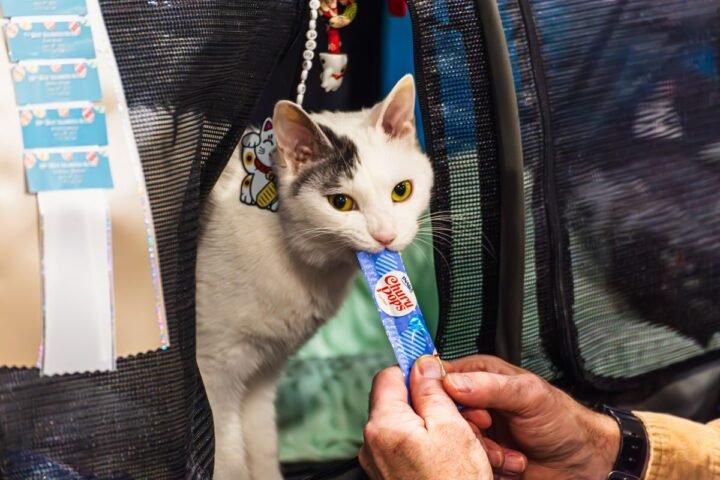
Food often works well, but some cats prefer play or access to a favorite activity. Use very small food rewards so training does not add excessive calories.
Mark the behavior clearly
A clicker or short verbal marker such as “yes” can tell the cat exactly which behavior earned the reward. Pair the marker with food before asking for anything difficult.
Start with a target
Hold out a finger or target stick and reward the cat for touching it with the nose. Targeting can later guide the cat onto a scale, into a carrier or toward a mat.
Teach carrier entry before travel day
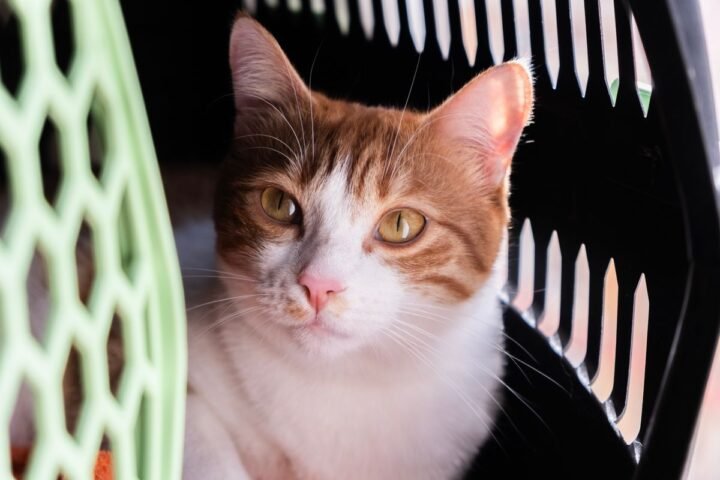
Leave the carrier open in the home with bedding and occasional treats. Reward voluntary entry instead of only bringing the carrier out before stressful veterinary trips.
Use shaping for harder behaviors
Reward small steps toward the goal. If you want the cat on a mat, first reward looking at it, then stepping on it, then staying briefly.
Keep sessions short
One to three minutes may be enough for a beginner. Stop before the cat loses interest.
Do not punish mistakes
The Cat Friendly Homes training resources emphasize reward-based learning and environmental management. Spraying water, yelling or forcing the cat can create fear without teaching the desired behavior.
Train handling cooperatively
Touch a paw briefly, reward, and stop. Build duration over time. This is more useful than restraining the cat until it stops struggling.
Useful skills to teach
- name response;
- come when called indoors;
- carrier entry;
- go to mat;
- touch a target;
- brief paw handling;
- sit or stand on a scale;
- simple tricks such as spin or high-five.
Start by finding the reward the cat actually values
Current Cat Friendly Homes guidance recommends testing what the individual cat prefers rather than assuming food is always the strongest reward. Some cats work better for a lickable treat, others for play, petting or access to a favourite activity.
Use tiny rewards so training does not quietly add a large number of calories.
Timing matters more than repeating the cue
Mark the desired behavior immediately with a clicker or short word, then deliver the reward. If the marker happens several seconds later, the cat may not understand which action earned it.
Avoid repeating “come, come, come” while the cat ignores you. Make the setup easier and reward the first correct response.
Shaping makes difficult behaviors easier
Do not wait for the complete behavior before rewarding. For carrier training, the first successful step may be looking at the carrier, then approaching it, then placing one paw inside.
Small voluntary steps are more reliable than luring the cat too far and then trapping it.
Target training is useful beyond tricks
A nose-to-target behavior can guide a cat onto a scale, into a carrier, onto a mat or away from a doorway. This makes target training one of the most practical foundation skills for veterinary and household care.
Carrier training should happen when no trip is planned
Leave the carrier out with familiar bedding and reward voluntary exploration. Cat Friendly Homes recommends making the carrier a normal household object rather than something that appears only before stressful travel.
Practice door closure, lifting and short movement as separate steps rather than jumping directly from entry to a long car journey.
Cooperative handling can reduce future stress
Touch one paw briefly, reward and stop. Later build to holding the paw, touching a claw and eventually trimming one nail. The same approach can be used for ears, mouth handling, brushing and medication practice.
Do not hold the cat until it stops struggling. Immobility can reflect fear, not learning.
Teach a station or mat behavior
Reward the cat for stepping onto a small mat or towel. Once the cat reliably chooses the station, you can use it during grooming, weighing or other care.
A predictable station gives the cat a clear job and can make handling sessions easier to structure.
Train recall indoors before you ever need it
Use the cat’s name or a consistent recall cue from a short distance, reward immediately, and gradually increase distance and distraction.
Indoor recall can be useful during household emergencies, before opening a door or when you need to locate the cat quickly. It is not a substitute for secure containment outdoors.
Do not punish unwanted behavior
Spraying water, yelling or physical correction can make the person or environment frightening without teaching the alternative behavior you want.
Instead, prevent rehearsal where possible, provide an appropriate alternative and reward use of that alternative.
Training and environment work together
A cat scratching the sofa still needs an appropriate scratching surface. A cat waking people for food may need a feeding routine or food puzzle as well as training. Behavior is easier to change when the environment supports the desired choice.
Keep sessions short and finish while the cat still wants more
One to three minutes can be enough. Cats often learn well in multiple short sessions rather than one long session that ends in frustration.
If the cat walks away, treat that as information. Reduce difficulty or try again later.
Useful life skills before party tricks
- entering and resting in a carrier;
- coming when called indoors;
- standing on a scale;
- going to a mat or station;
- accepting brief paw, ear and mouth handling;
- moving away from a doorway on cue;
- tolerating gentle grooming.
Once those are easy, tricks such as spin, high-five or fetch can be enjoyable enrichment.
Use the reward the cat actually values
Food works well for many cats, but some prefer play, access to a perch or social interaction. A reward is only useful if it increases the behavior you want.
Raise difficulty one variable at a time
Increase distance, duration or distraction gradually rather than changing all three at once. If performance falls apart, make the next repetition easier instead of repeating failure.
Use a marker to make the lesson clearer
A short word such as “yes” or a clicker can mark the exact moment the cat does the desired behavior. The reward follows immediately afterward. This helps when the cat moves quickly and would otherwise have difficulty understanding which action earned the treat.
Train before the cat is frustrated
Choose a quiet moment when the cat is awake and interested but not frantic for food. If the cat is overstimulated, frightened or trying to leave, learning quality usually drops.
Carrier training is one of the most useful real-life skills
Reward approaching, entering and resting inside the carrier before you ever close the door. Our carrier-training guide breaks that process into smaller steps for cats that already fear travel.
Training can support veterinary care
Teaching a cat to stand on a scale, touch a target or accept one-second paw handling can make future health checks easier. Keep medical handling training voluntary and brief rather than turning it into restraint practice.
End on an easy success
If the cat struggles with a harder step, ask for something simple the cat already knows, reward it and stop. Ending successfully protects confidence and makes the next session easier.
For the behavior principles behind training, see our cat behavior guide. If furniture scratching is the main challenge, use our scratching redirection guide.
0 comments