
Dog Breed Identification: Why Appearance Alone Can Be Misleading
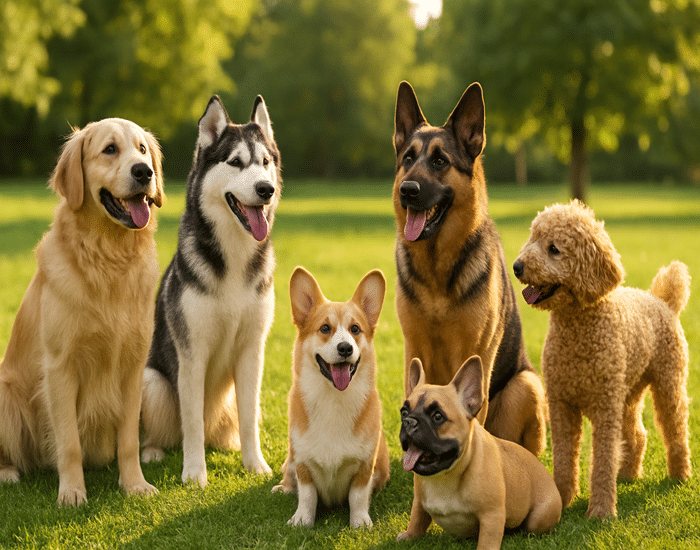
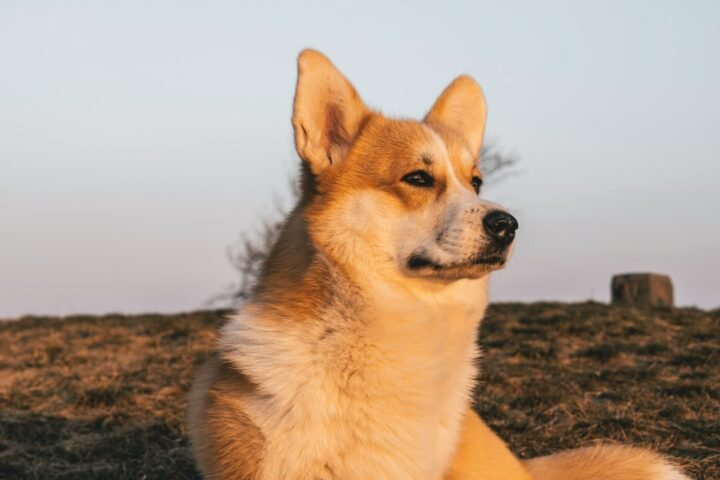
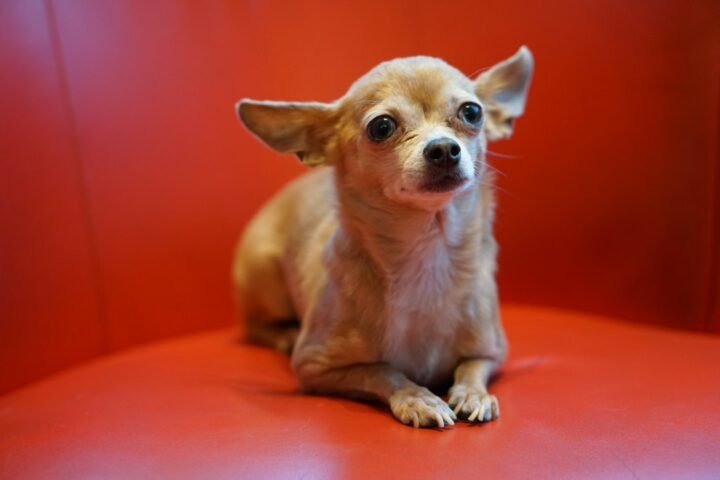
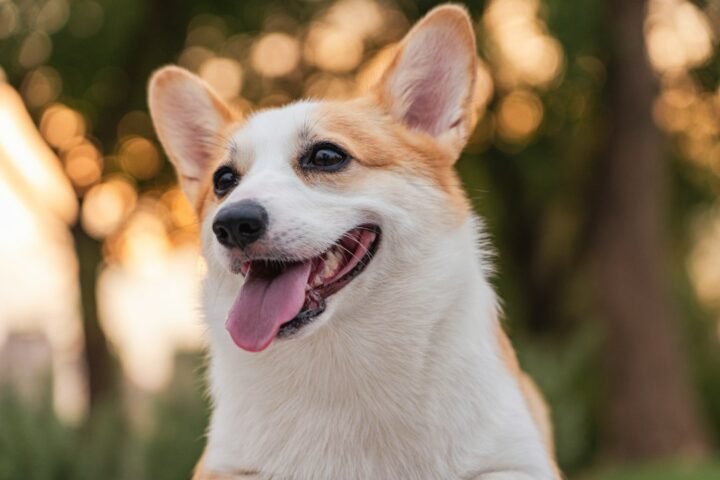
People are surprisingly confident when guessing a dog’s breed from a photo. Mixed ancestry makes that difficult. Coat length, ear shape, color and head width are influenced by many genes, so dogs with different ancestry can converge on a similar look.
What appearance can tell you
You can describe observable traits—approximate size, coat type, muzzle length, ear carriage and body proportions. Those descriptions are useful. Turning them into a precise ancestry percentage is a much bigger leap.
Shelter labels are often estimates
When a dog’s parents are unknown, breed labels may be based on visual assessment. Treat them as working descriptions rather than genetic certificates.
DNA tests
Commercial canine DNA tests can estimate ancestry by comparing a sample with company reference databases. Results may differ between companies because databases and algorithms differ. DNA ancestry is also not a behavior forecast.
Do not infer temperament from a guessed breed
If you need to know whether a dog can live with cats, tolerate handling or cope when left alone, observe those behaviors directly and ask about history. A guessed breed label is weaker evidence.
Identification in the lost-pet sense
For actually identifying a lost dog, microchips and visible tags are far more useful than guessing breed. Keep registration and contact information current.
Related guide
Our pit bull terminology guide shows why broad visual labels can become especially confusing.
0 comments