
Winter Pet Care: Safety Tips for Dogs, Cats, Birds and Hamsters

Winter pet care is not one rule for every animal. A healthy double-coated dog, an indoor cat, a tropical companion bird and a hamster have very different temperature and housing needs. The common goal is to prevent prolonged cold exposure, dehydration and unsafe heating practices.
Dogs
Shorten outdoor time when conditions are severe and watch the individual dog rather than assuming coat alone guarantees protection. Dry wet coats, inspect paws after salted or icy walks and prevent access to antifreeze, which can be highly toxic.
Cats
Indoor housing avoids many winter hazards. Cats with outdoor access face cold exposure, traffic and risks from warm hiding places such as vehicle engine compartments. Tap the hood before starting a parked car in cold weather.
Companion birds
Keep cages away from cold drafts and abrupt temperature changes. Avoid placing birds near unsafe heaters, smoke, aerosols or overheated non-stick cookware; birds are particularly sensitive to airborne toxins. Maintain a normal light-dark routine and access to clean water.
Hamsters
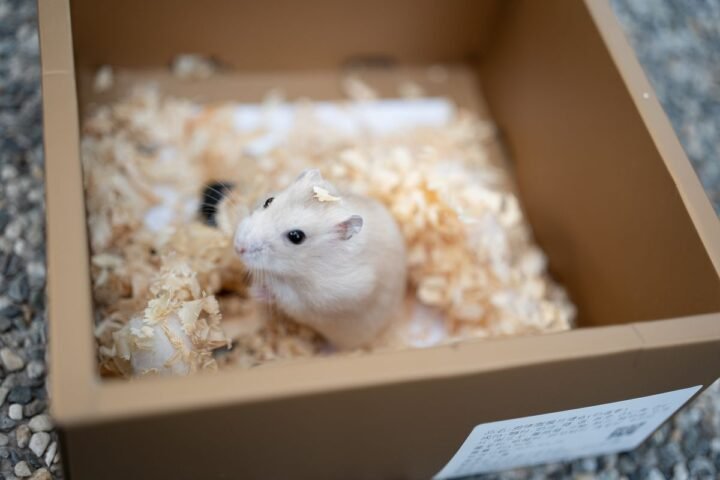
Keep the enclosure in a stable indoor environment away from drafts and direct heating vents. A hamster that becomes unusually cold, limp or unresponsive needs careful warming and veterinary advice; do not assume prolonged inactivity is harmless “hibernation.” Provide deep bedding and nesting material so normal burrowing behavior is possible.
Heating safety
Prevent direct contact with space heaters, fireplaces and heating pads that pets can chew or become trapped against. Never use a heat source that creates fumes or cannot be safely regulated for the species.
Food and water
Most indoor pets do not automatically need extra calories in winter. Adjust feeding based on body condition, activity and veterinary advice. Keep water available and check outdoor bowls frequently for freezing.
When cold exposure becomes urgent
Persistent shivering, weakness, confusion, collapse, very cold extremities or abnormal breathing warrant prompt veterinary attention. Birds and small mammals can deteriorate quickly when ill or chilled.
Winter risk depends on species, age and health
There is no single temperature that is safe for every pet. Coat type, body size, body condition, age, chronic disease, wind, wetness and acclimation all change how quickly an animal becomes cold.
Dogs need surface checks, not just air-temperature checks
Ice crust, salted pavement and frozen ground can injure paws even when the air temperature feels manageable. Inspect pads and between the toes after walks, and rinse chemical residue before the dog starts licking.
Wet coats change heat loss
A soaked dog or outdoor cat can chill much faster than a dry animal. Dry fur thoroughly after snow, rain or swimming and provide a warm resting area away from drafts.
Senior dogs may need shorter, more frequent outings
Arthritis and weakness can make slippery ground difficult. Choose cleared routes, use nonslip home flooring and give older dogs enough toileting opportunities without requiring one long cold walk.
Small dogs lose heat quickly
Very small or thin-coated dogs may benefit from a properly fitted coat in cold weather. Clothing should not restrict movement or become wet and heavy.
Outdoor cats need safer alternatives
Where possible, keep cats indoors or provide secure enclosed access during severe weather. Outdoor cats can seek warmth under vehicles, in sheds or in engine compartments, which creates additional hazards.
Tap or check the car before starting it
In cold climates, cats and small animals may shelter near warm engines or wheel wells. A quick check before starting the vehicle can prevent serious injury.
Bird cages should not sit in cold airflow
Windows, exterior doors and heating vents can create rapid temperature changes. Place the cage where temperature is stable and where the bird still receives a predictable light-dark cycle.
Heating can create bird-specific hazards
Smoke, overheated non-stick cookware, aerosols and some heaters can produce fumes dangerous to birds. Warmth should never come at the cost of poor air quality.
Hamsters need stable indoor temperatures
Small mammals can deteriorate quickly when chilled. Deep bedding, nesting material and a draft-free enclosure help, but a cold, limp or minimally responsive hamster should not be left to “sleep it off.”
Water bowls can freeze outdoors
Check outdoor water frequently and replace frozen or contaminated water. Dehydration is still possible in winter even when snow is present.
Food needs do not automatically rise indoors
Pets living in heated homes may not need extra calories simply because it is winter. Adjust feeding based on body condition and actual activity.
Antifreeze is an emergency
Ethylene glycol can be highly toxic. Clean spills immediately and seek urgent veterinary advice after suspected ingestion rather than waiting for symptoms.
Rock salt and deicers can irritate paws
Some products also create ingestion risk when pets lick their feet. Wipe or rinse paws after exposure and store deicing chemicals securely.
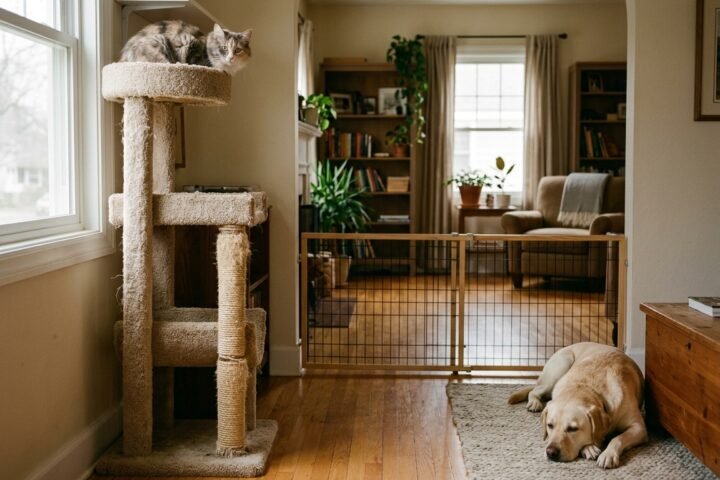
Fireplaces and heaters need barriers
Use safe distance and physical barriers so pets cannot touch hot surfaces, chew electrical cords or become trapped against heat sources.
Holiday decorations add seasonal hazards
Tinsel, string, candles, electrical cords, toxic foods and unsecured decorations can create risks unrelated to cold itself. Winter safety should include the indoor environment as well as weather.
Know the signs that cold exposure is becoming serious
Persistent shivering, weakness, confusion, collapse, pale or cold extremities, abnormal breathing or reduced responsiveness warrant prompt veterinary care.
Build a winter emergency routine
Keep towels, a carrier, veterinary numbers and basic transport supplies accessible so you are not searching for them after a pet becomes chilled or injured.
Winter parasite risk does not always disappear
Fleas, ticks and mosquitoes can remain active indoors or during mild periods. Preventive plans should follow regional veterinary advice rather than stopping automatically at the first frost.
Indoor heating can dry skin and airways
Some pets become itchier or develop dry skin in heated homes. Avoid over-bathing and discuss persistent skin changes with a veterinarian instead of adding fragranced products.
Exercise still matters in winter
When outdoor time is shorter, add indoor enrichment, training and safe play so reduced walking does not become prolonged inactivity.
Senior pets need easier access to warm resting places
Orthopedic pain can make cold floors and high beds uncomfortable. Provide supportive bedding and nonslip routes to food, water and toileting areas.
Emergency travel needs planning in bad weather
Keep carriers, blankets, medication and veterinary contacts ready in case roads or temperatures make a routine trip more difficult than usual.
Species-specific housing still matters in winter
Moving every animal closer to a heater is not a universal solution. Birds, hamsters, cats and dogs have different temperature, ventilation and space needs, so winter adjustments should preserve normal behavior as well as warmth.
Monitor body condition through the season
Reduced activity can lead to weight gain in indoor pets, while outdoor animals may burn more energy. Recheck portions and condition instead of assuming one winter feeding rule fits all pets.
Winter routines should stay species-appropriate
Dogs still need walks, cats need play and vertical space, birds need movement and light, and hamsters need burrowing opportunities. Keeping pets warm should not mean removing normal behavior from the day.
Winter care works best when warmth, normal behavior, ventilation and safe exercise are balanced instead of treating heat alone as the goal.
0 comments