
Puppy Teething: Timeline, Chewing, Safe Relief and Retained Baby Teeth
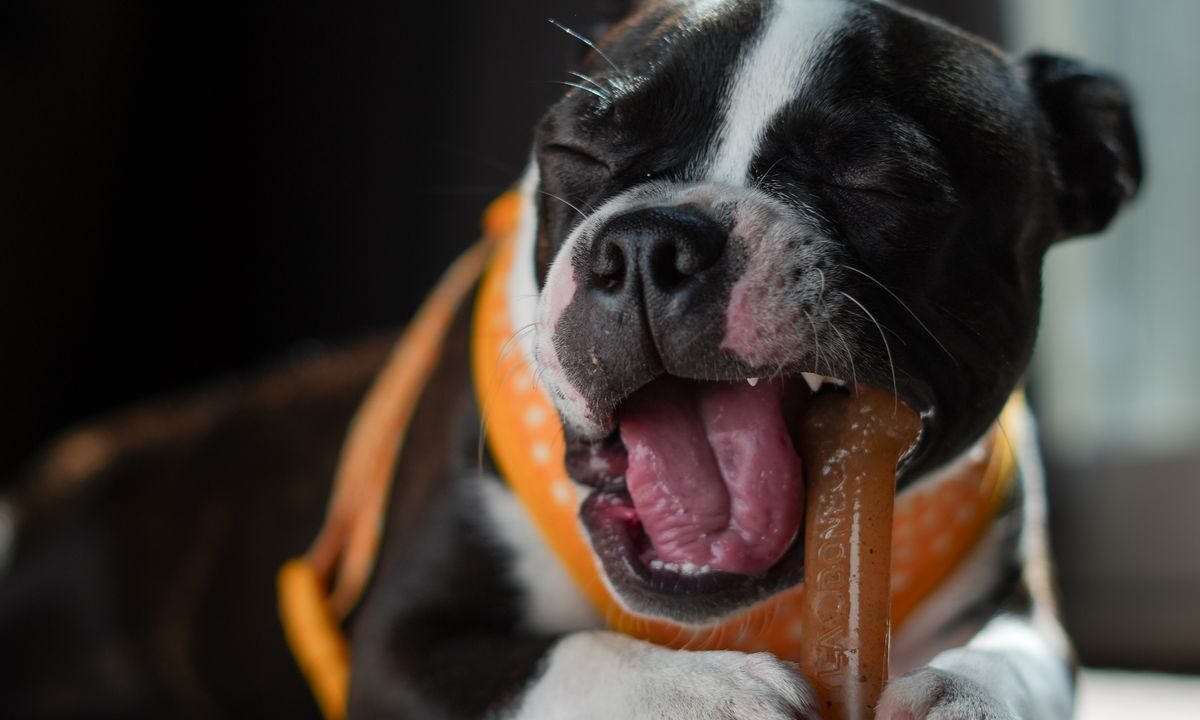
Puppy teething is a normal developmental stage, but it can turn furniture, shoes and hands into attractive chewing targets. The goal is not to stop chewing completely. It is to give the puppy safe things to chew while protecting developing teeth.
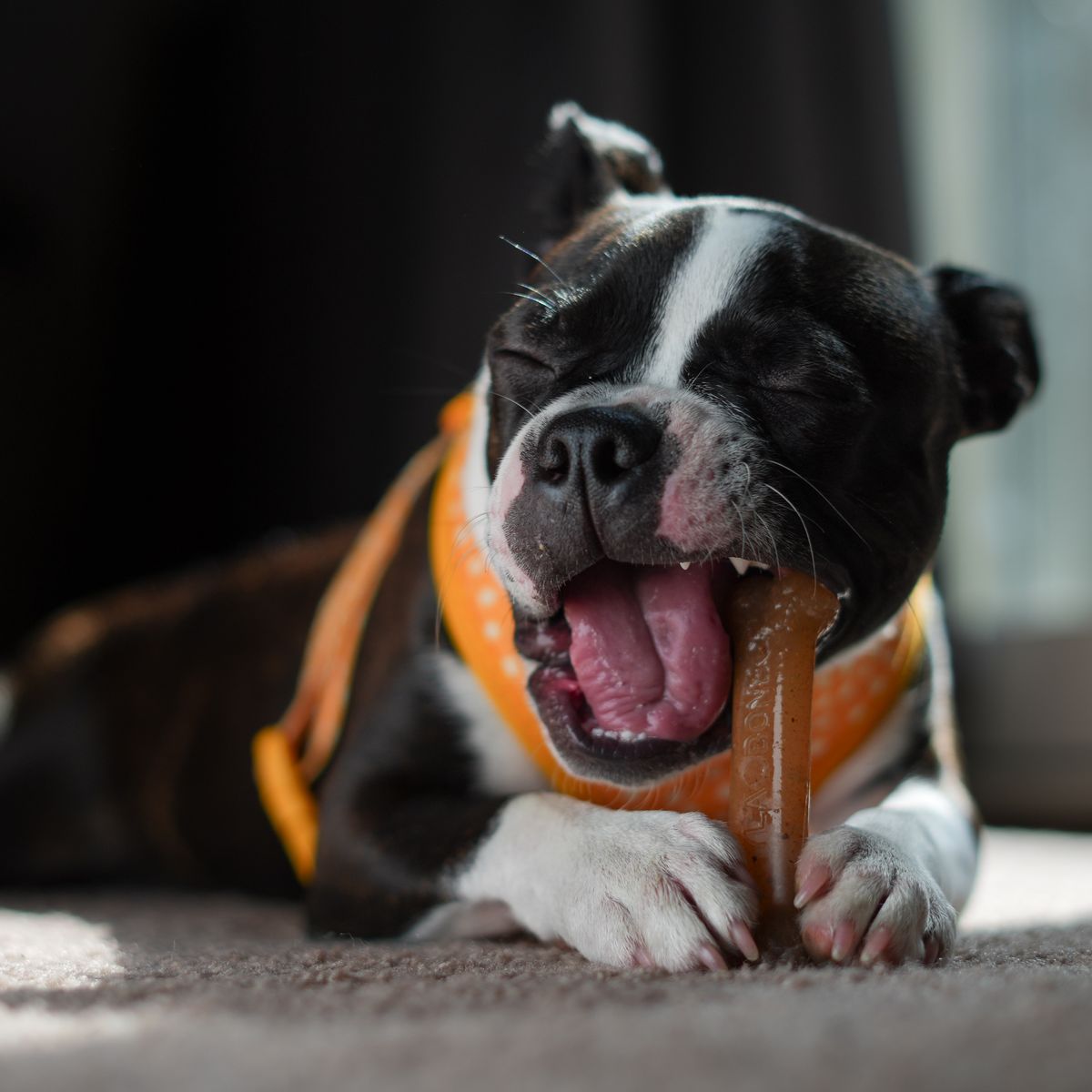
Puppy teething timeline
The AKC teething timeline notes that baby teeth begin erupting at roughly 2–4 weeks, most puppies have their deciduous teeth by about 5–6 weeks, and baby teeth begin falling out around 12–16 weeks.
By about six months, most adult teeth should be present.
What you may notice
- more chewing;
- mild gum sensitivity;
- small baby teeth on the floor—or none, because many are swallowed;
- a little blood spotting on chew toys;
- increased mouthing during play.
Offer safe chew options
Use puppy-appropriate rubber toys, textured toys and other items designed for chewing. Rotate them so novelty does not require access to household objects.
Avoid extremely hard chews
Hard bones, antlers and objects that do not give under pressure can fracture teeth. “Natural” does not automatically mean tooth-safe.
Cold can soothe gums
A chilled puppy-safe rubber toy or damp cloth used under supervision may feel soothing. Avoid ice blocks or frozen objects so hard that they create a fracture risk.
Redirect hands to toys
When puppy teeth land on skin or clothes, pause the interaction and redirect toward an appropriate toy. Escalating into physical corrections can increase arousal instead of teaching what to bite.
Retained baby teeth
The AKC advises having a veterinarian check any baby teeth that remain once adult teeth have erupted. Retained deciduous teeth can crowd the mouth and may need professional removal.
Start dental handling now
Briefly touching the lips and teeth while pairing the experience with food can make future brushing and veterinary oral exams easier.
When teething is not the whole explanation
Marked facial swelling, refusal to eat, heavy bleeding, broken teeth, severe pain or a foul oral odor deserves veterinary attention.
For the rest of early training, see our puppy training foundation. For safe indoor outlets when chewing energy is high, use our DIY dog enrichment guide.
Why puppies chew more when tired
Overtired puppies often become mouthier and less able to disengage from exciting objects. If chewing suddenly escalates after a long play period, the solution may be a calm toilet trip and sleep rather than another hour of stimulation.
Puppy-proofing is part of training
Move shoes, children’s toys, charging cables and laundry out of reach instead of expecting perfect impulse control from a developing puppy. Every successful chew on an inappropriate item makes that item more reinforcing.
Rotate texture, not risk
Offer a small selection of safe textures—rubber, softer puppy chews and food-filled toys—and rotate them. Inspect toys regularly and discard pieces that are breaking apart or small enough to swallow.
Keep the routine consistent during teething
Use the same few safe outlets each day, rotate them for interest and keep household items out of reach. Consistency makes it easier for the puppy to learn what is available for chewing and what is not.
Short periods of calm activity followed by rest can also help when mouthiness rises late in the day.
Use chewing strategically
A stuffed puppy-safe toy can help a puppy settle after training, remain occupied during grooming practice or build a positive association with a pen or crate.
Baby teeth can affect adult tooth position
When a retained baby tooth sits beside an erupting adult tooth, crowding can alter how teeth contact one another. This is why a veterinary mouth check around the end of teething is useful even if the puppy still eats normally.
Teething follows a broad timeline, not an exact calendar
Puppies usually begin losing baby teeth at roughly three to four months, with adult teeth emerging over the following months. Individual timing varies, so a veterinary oral check is more useful than worrying because one tooth appeared a week earlier or later than a chart.
Expect chewing needs to rise before they settle
The urge to chew can intensify while adult teeth erupt. That does not mean training is failing. Increase access to safe chew options, protect household items and give the puppy enough sleep so overtired behavior does not amplify mouthiness.
Inspect toys after every heavy chewing session
Puppy toys change as they are used. A rubber toy that was safe last week may now have a torn edge or loose piece. Remove anything small enough to swallow or sharp enough to injure the mouth.
Cold relief should stay flexible, not rock-hard
Chilled rubber or a damp cloth can soothe gums, but very hard frozen objects can damage developing teeth. The item should still have some give and should be used under supervision.
Retained baby teeth can trap debris
When an adult tooth erupts beside a baby tooth, the narrow space can trap food and change how the teeth meet. This is one reason retained teeth should be checked rather than left indefinitely because the puppy seems comfortable.
Teething does not explain severe pain or illness
A puppy with marked swelling, repeated bleeding, refusal to eat, foul odor, fever or profound lethargy needs veterinary assessment. Normal teething can be uncomfortable, but it should not make a puppy systemically ill.
Teach gentle mouth handling early
Briefly lifting the lips, touching the gums and rewarding cooperation can prepare the puppy for future tooth brushing and oral exams. Keep sessions short enough that the puppy remains relaxed.
Use the puppy’s normal food for chew enrichment
Part of the daily ration can go into a puppy-safe rubber toy or feeder. This gives the mouth something appropriate to do without turning every chew session into extra calories.
Check adult teeth as they erupt
By the later teething stage, you may see adult teeth appearing beside retained baby teeth. A veterinary mouth check can confirm whether the baby tooth is likely to fall out naturally or needs treatment.
Chewing should not cause repeated gum injury
A little gum sensitivity can occur during teething, but toys that repeatedly cause bleeding or obvious pain are too hard or poorly suited to the puppy. Switch to a safer texture and inspect the mouth.
Management prevents rehearsing destructive chewing
Use gates, pens and closed doors so shoes, cables and furniture edges are not constantly available. Preventing access is part of training because it stops the puppy from repeatedly practising the behavior you are trying to replace.
Sleep is an overlooked part of teething management
Overtired puppies often become bitey, frantic and unable to settle. A calm toilet break followed by rest may solve what looks like a sudden training problem better than adding more stimulation.
Keep teething management simple enough to repeat every day: safe chew options, protected household items, calm redirection and enough sleep. The goal is steady habit-building, not stopping all mouthing overnight.
Keep safe chew choices available before the puppy starts searching for household objects to use instead.
Consistent redirection works best when safe chew choices are always nearby and easy to offer promptly.
Chewing furniture is not a moral failure
Teething puppies are exploring and seeking oral relief. Management plus redirection teaches more than scolding after the puppy has already found a rewarding chair leg.



0 comments