
Puppy Socialization: What to Introduce, When to Start and What Not to Force
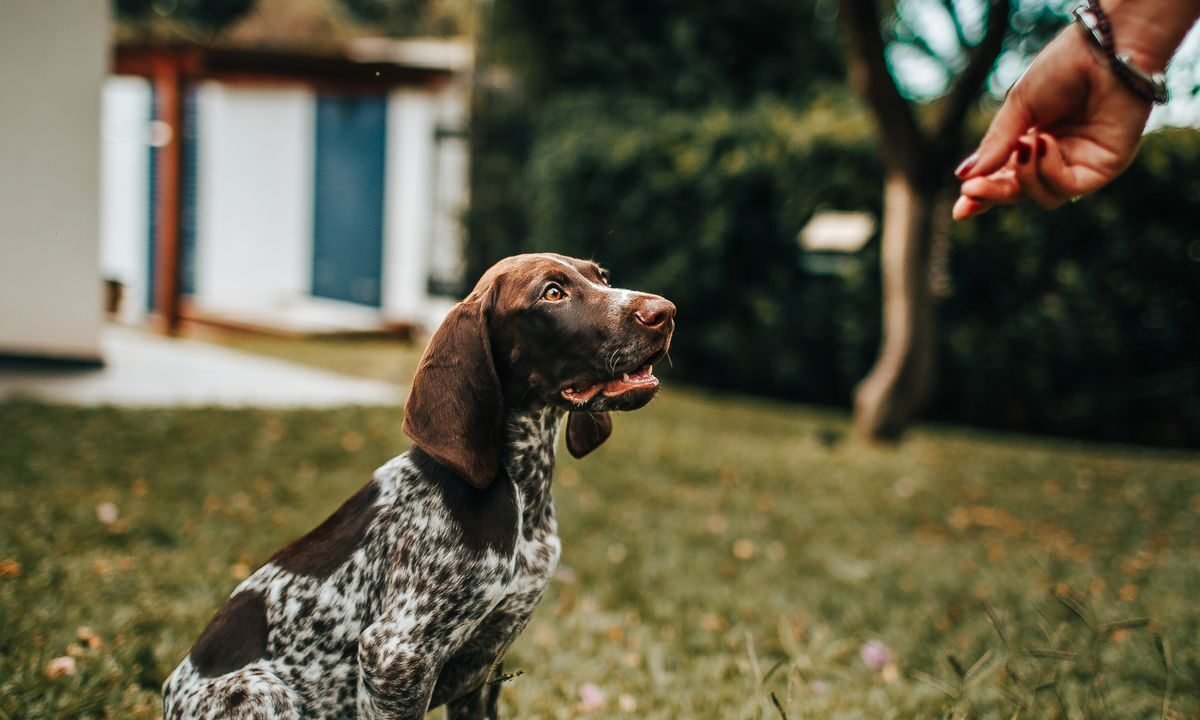
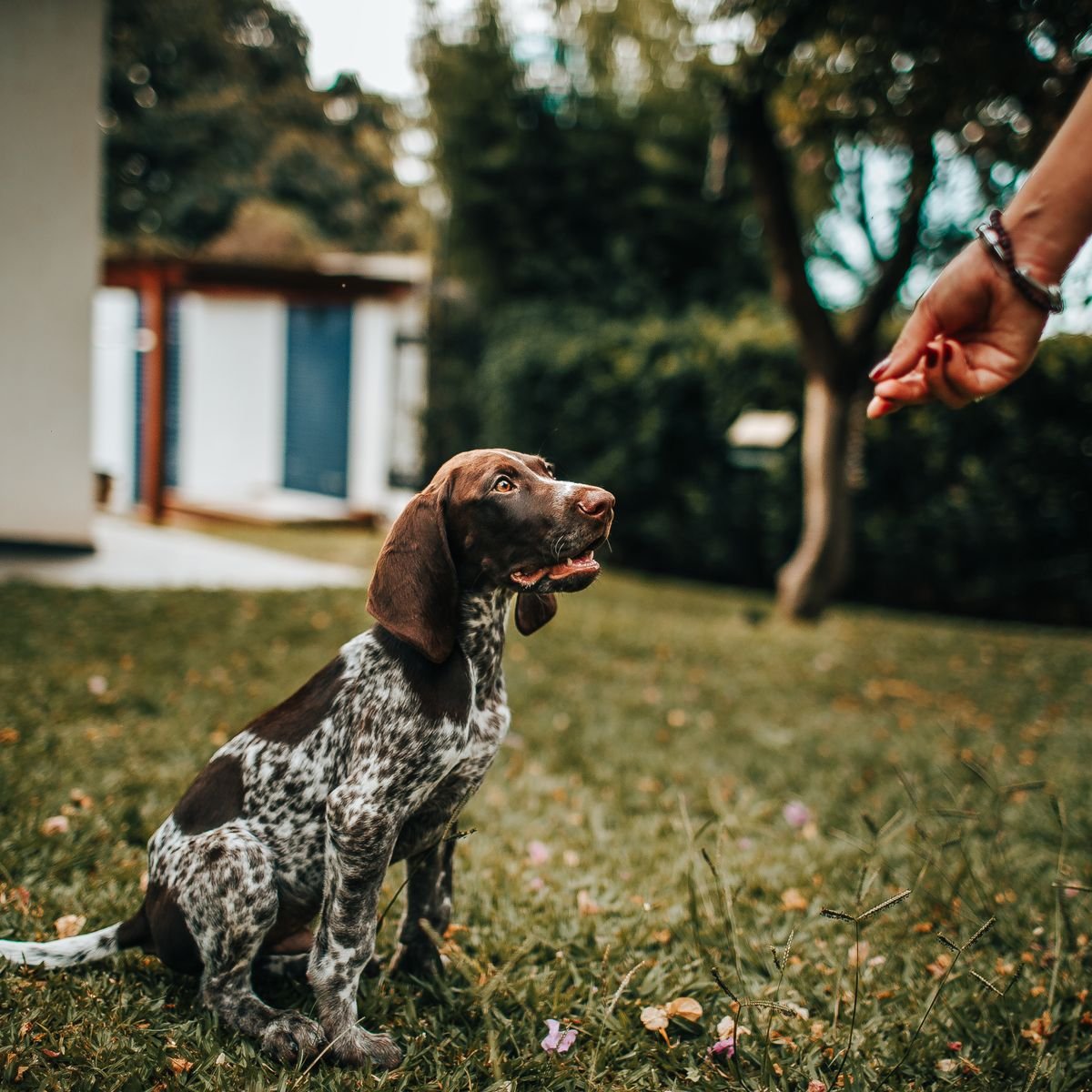
Puppy socialization is often misunderstood as “let the puppy meet as many dogs as possible.” Good socialization is much broader. It means helping a puppy learn that ordinary people, sounds, surfaces, handling, places, animals, and daily experiences can be safe and manageable.
The goal is not to create a puppy that runs toward everything. The goal is a dog that can notice new things without becoming overwhelmed.
When should puppy socialization start?
The American Veterinary Society of Animal Behavior (AVSAB) identifies the first three months of life as the most important socialization period. That means owners should not wait until every vaccination in the puppy series is finished before beginning safe, controlled social experiences.
However, disease risk still matters. Your veterinarian can help you balance local infectious-disease risk with the need for early positive exposure.
Socialization is exposure plus a good emotional response
Simply placing a puppy near something new is not enough. If the puppy is terrified, trapped, or repeatedly overwhelmed, the experience may make future fear more likely rather than less.
Good sessions are short, controlled, and paired with things the puppy likes: treats, play, distance, praise, or the freedom to move away.
What should a puppy experience?
Think in categories rather than trying to complete a giant checklist in one week.
- People of different ages, appearances, clothing, and movement styles
- Calm, healthy, appropriately social dogs
- Household sounds such as vacuum cleaners, doors, appliances, and television
- Outdoor sounds such as traffic, bicycles, buses, construction, and distant sirens
- Different surfaces such as grass, tile, carpet, gravel, rubber, and safe metal surfaces
- Gentle handling of paws, ears, mouth, collar, harness, and body
- Car travel and secure restraint
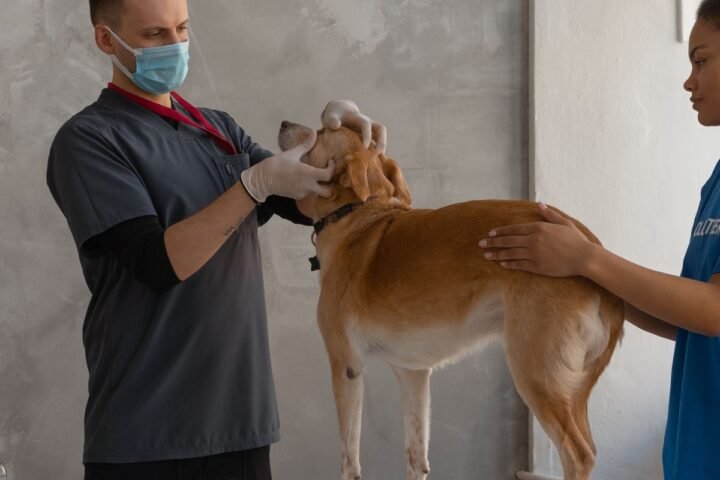
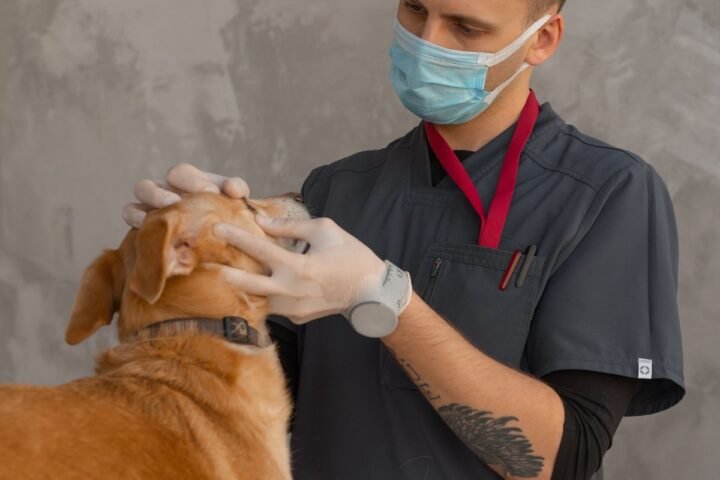
- Veterinary-clinic-style handling
- Crates, pens, gates, and brief safe confinement
- People arriving at the door
- Umbrellas, hats, bags, wheelchairs, strollers, and other unusual shapes
What should you avoid before vaccination is complete?
Avoid high-risk areas heavily used by unknown dogs when your puppy is not yet fully protected. AVSAB specifically advises avoiding unsanitized, high-traffic dog areas of unknown vaccination or disease status.
A well-run puppy class with vaccination requirements and cleanable surfaces may be much safer than an uncontrolled dog park.
Do not force a frightened puppy closer
If your puppy freezes, hides, refuses food, tries to escape, tucks the tail tightly, or cannot recover, increase the distance from the trigger. Forcing the puppy to “face the fear” can make the experience worse.
Let the puppy observe from a comfortable distance and reward calm investigation. Progress when the puppy is ready, not when a checklist says you should.
How long should sessions be?
Very short sessions are often better than long outings. A few minutes of relaxed observation can be more useful than an hour in a crowded environment.
Puppies also need a lot of sleep. An overtired puppy may become bitey, frantic, or unable to cope with new experiences, so rest is part of good socialization.
Socialization and puppy classes
A good puppy class can provide controlled exposure, reward-based training, and coaching for owners. Look for classes that require appropriate vaccination status, use positive reinforcement, control interactions between puppies, and do not allow bullying or forced greetings.
Handling practice should predict good things
Gently touch paws, lift ears, look briefly at teeth, brush the coat, and handle the collar while pairing the experience with treats or play. Stop before the puppy struggles.
This can make future nail trimming, grooming, veterinary examinations, and ear care easier.
Crates and confinement belong in the plan too
AVSAB notes that positive crate or pen training can help puppies learn to rest safely and may reduce stress during travel or hospitalization. Our crate training guide explains how to build that skill without cry-it-out methods.
Training and socialization should work together
Simple reward-based skills such as name response, recall games, loose following, settling, and checking in with the owner make socialization easier. Our puppy training guide covers those foundations.
What if your puppy is already fearful?
Do not try to “catch up” by flooding the puppy with more exposure. If fear is frequent, intense, worsening, or associated with growling or defensive behavior, talk with your veterinarian. A qualified reward-based trainer or veterinary behavior professional may also help.
Socialization does not end at 12 weeks
The early window is especially important, but positive exposure and training should continue through adolescence and adulthood. Dogs can become more cautious as they mature, so maintaining good experiences matters.
Common socialization mistakes
- Taking a puppy to crowded places before they can cope
- Allowing every person or dog to rush up and greet
- Holding a frightened puppy in place near a trigger
- Using food to lure the puppy closer than they want to go
- Skipping rest because “more exposure is better”
Socialization should build confidence, not simply produce a high number of encounters.
Let observation count as socialization
A puppy can learn from sitting at a safe distance and watching bicycles, children, dogs, traffic, or people pass by. Direct interaction is not required. Calm observation followed by food, play, or leaving the area can be an excellent session.
Coordinate vaccination and exposure with your vet
Disease risk varies by region. Ask your veterinarian which environments are safest while your puppy completes the vaccine series. Controlled home visits, clean private gardens, carrying the puppy in public, and well-managed classes may offer useful exposure without the same risk as high-traffic dog areas.
The bottom line
Good puppy socialization is not about maximum exposure. It is about carefully chosen experiences that leave the puppy feeling safe enough to learn. Start early, manage disease risk intelligently, use rewards, allow distance, and never force a frightened puppy to interact.
This article is for general pet-owner education and is not a substitute for individualized veterinary or behavior advice.

0 comments