
How Long Does It Take to Cycle a Fish Tank? Test Results Matter More Than the Calendar
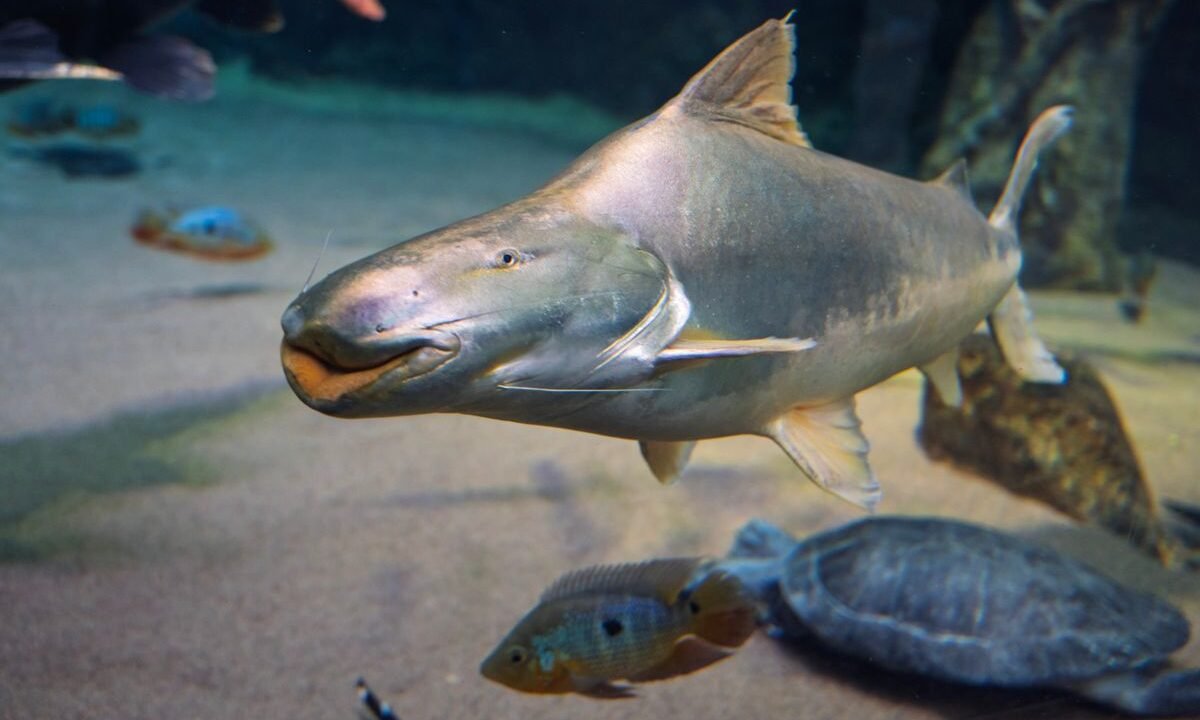
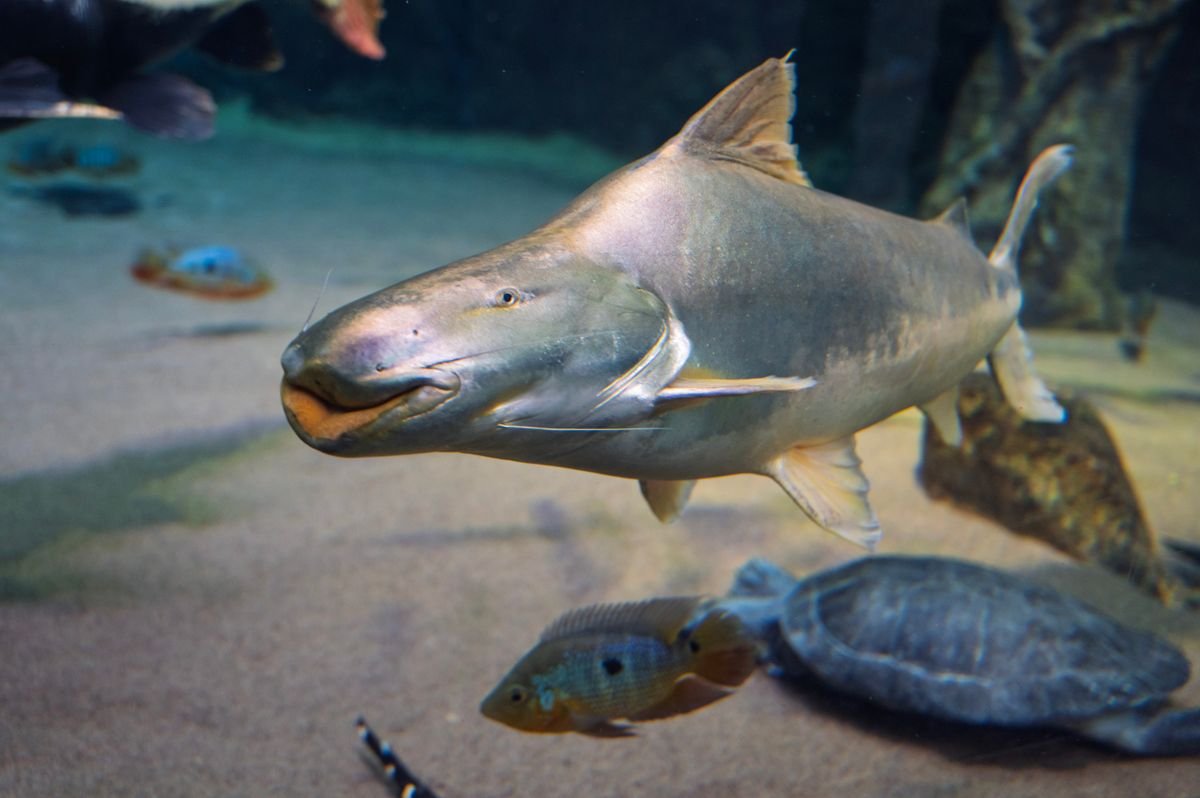
How long does it take to cycle a fish tank? For a new freshwater aquarium, a realistic answer is usually several weeks, not a single weekend. PetMD’s 2026 freshwater setup guide says a tank commonly takes about four to six weeks to cycle naturally, while the RSPCA notes that there is no exact duration and that cycling takes at least two weeks. Those figures are not really contradictory: the calendar varies, and the water-test pattern is more important than the number of days.
Cycling means establishing biological filtration
Fish waste and decomposing organic material release ammonia. Beneficial bacteria in the filter and other surfaces convert ammonia to nitrite, then other bacteria convert nitrite to nitrate. Ammonia and nitrite are dangerous to fish, so a mature biofilter is essential before normal stocking.
Why a new tank cannot be judged by clear water
A brand-new aquarium can look crystal clear while still lacking enough beneficial bacteria to process waste. PetMD’s fish-tank testing guide emphasizes that clear-looking water can still be unsafe and recommends testing core parameters rather than relying on appearance.
Four to six weeks is common, but not a guarantee
PetMD’s 2026 freshwater aquarium guide gives four to six weeks as a typical natural cycling period. The RSPCA says cycling has no exact fixed duration and advises fishless cycling while monitoring ammonia and nitrite. Temperature, pH, filter media, bacterial seeding and the method used can all change the timeline.
Fishless cycling is the safer beginner approach
The RSPCA strongly advises new owners to establish the tank without fish. That avoids exposing live animals to predictable ammonia and nitrite spikes while the biofilter develops. A controlled ammonia source or an appropriate cycling product provides the bacteria with something to process.
Test ammonia, nitrite and nitrate throughout the process
A typical cycle starts with measurable ammonia, followed by nitrite, then increasing nitrate as bacterial populations become established. The RSPCA recommends testing every other day during cycling. Follow your test kit’s instructions carefully because timing and color interpretation differ between products.
A cycled tank should process ammonia and nitrite reliably
Do not add fish simply because a month has passed. The useful endpoint is stable water with ammonia and nitrite at zero after the system has demonstrated that it can process the nitrogen source. Some nitrate is expected because nitrate is the end product of the usual aerobic aquarium cycle.
Seeded filter media can shorten the process
The RSPCA notes that disease-free filter media from a mature aquarium can help establish bacterial colonies. Commercial nitrifying bacteria may also shorten cycling, but products and conditions vary. Even when using a starter product, keep testing rather than assuming the tank is immediately safe.
Do not replace or sterilize the filter media during cycling
The filter is one of the main homes for nitrifying bacteria. Replacing all media or washing it aggressively in chlorinated tap water can remove the very colony you are trying to establish. If media needs gentle cleaning later, use tank water or follow the filter manufacturer’s aquarium-safe instructions.
Chlorine and chloramine must be treated
Tap-water disinfectants can harm fish and beneficial bacteria. Use a conditioner appropriate for your water supply whenever untreated tap water enters the aquarium. This remains important after the tank is mature, not only during startup.
Do not add the full fish population at once
Even after cycling, the bacterial population reflects the amount of waste it has been processing. Adding many fish at once can suddenly create more ammonia than the biofilter can handle. Stock gradually and keep testing after new fish are introduced.
If fish are already in an uncycled tank, treat it as a water-quality problem
PetMD describes “new tank syndrome” as a common and potentially fatal problem caused by inadequate biological filtration. If ammonia or nitrite is measurable with fish present, test frequently, perform appropriately sized conditioned water changes and seek qualified aquatic veterinary or experienced aquarium guidance. Do not deliberately expose fish to high ammonia in order to “finish” the cycle faster.
Your first setup guide should come before the calendar question
Our beginner fish-tank setup guide covers tank placement, equipment, conditioning and species planning. Cycling is one stage of that larger setup, not a standalone trick that makes any tank immediately suitable for any fish.
Keep testing after the first fish arrive
A completed cycle is not the end of water testing. New livestock, overfeeding, dead organisms, filter disruption or large maintenance mistakes can destabilize water quality. Our aquarium maintenance guide explains how testing and regular water changes keep the system stable after startup.
A tank is ready when the biology is ready
Use four to six weeks as a planning expectation, not a deadline. If ammonia or nitrite is still present, the tank is not ready simply because the date on the calendar says it should be. Water chemistry is the evidence that matters.
0 comments