
Beginner’s Guide to Setting Up a Fish Tank Safely
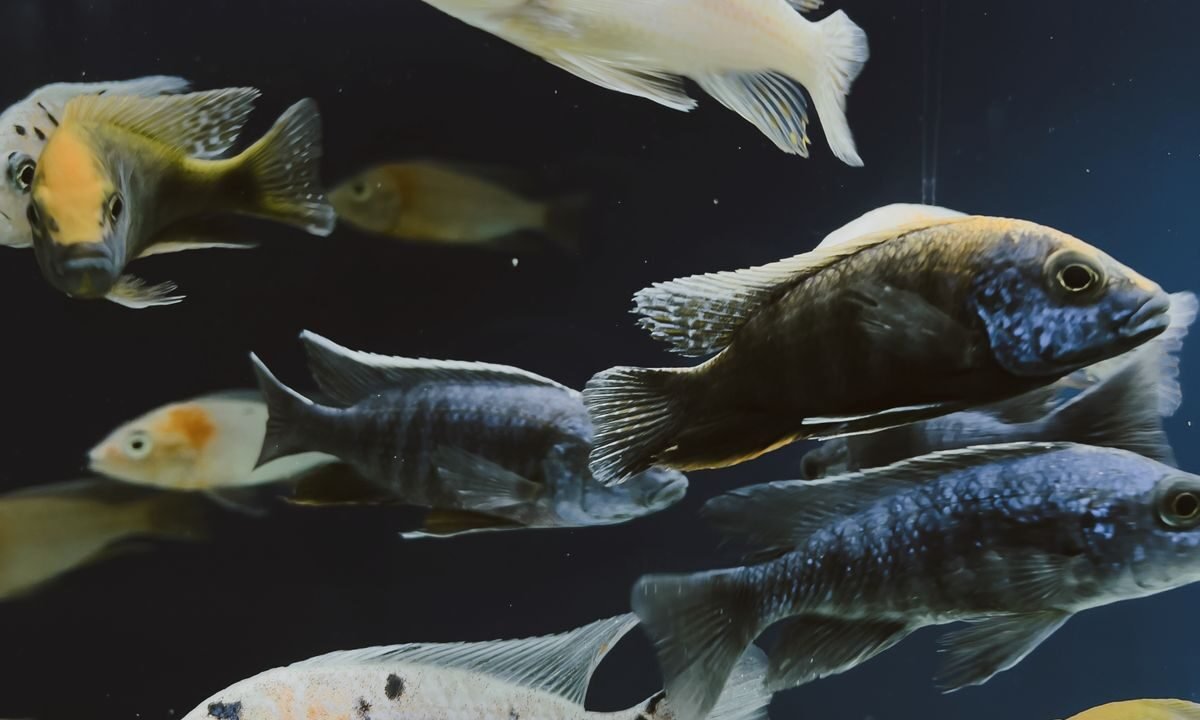
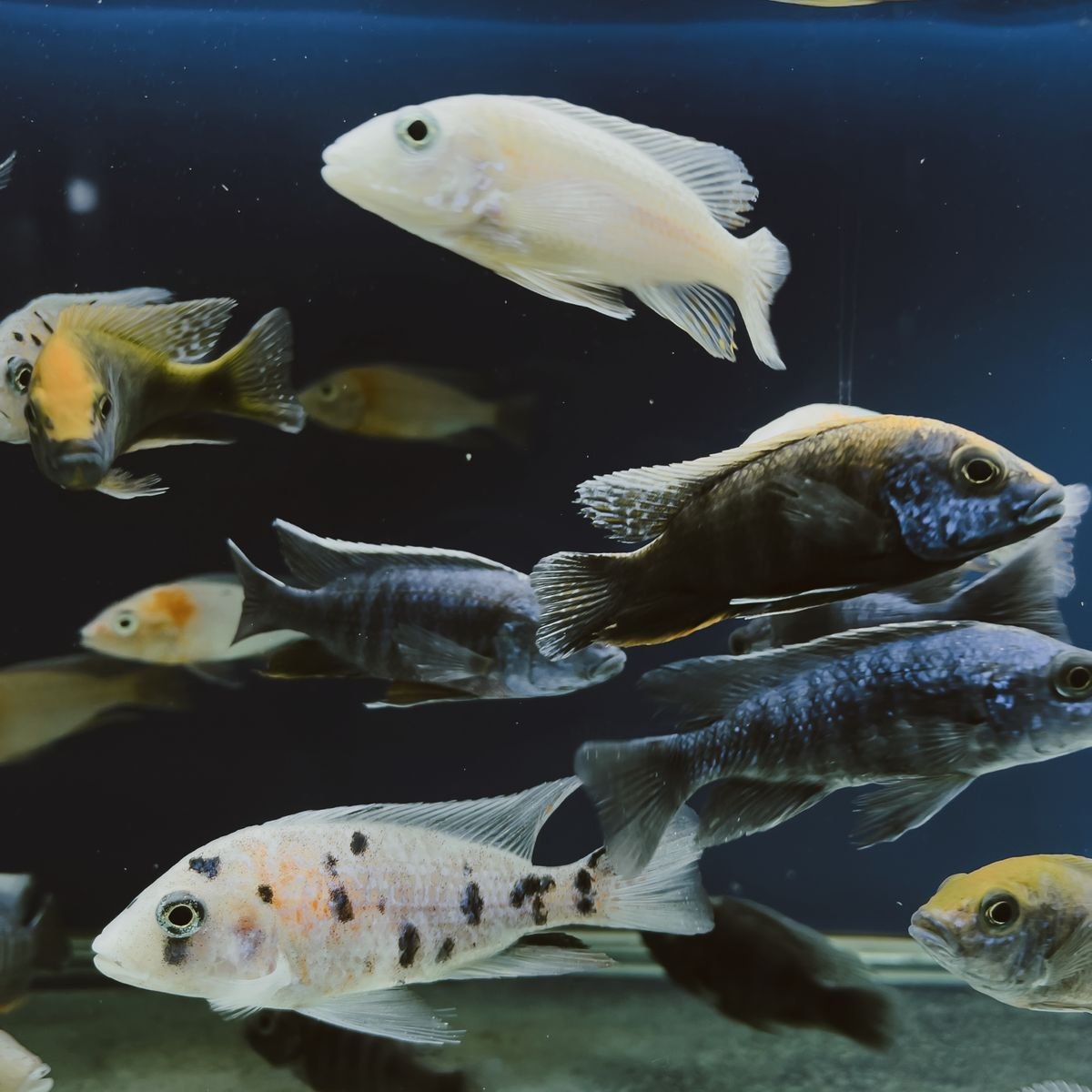
A fish tank should be ready before the fish arrive. The most common beginner mistake is filling a new aquarium with water, adding fish immediately and assuming the filter will take care of everything. A safe setup takes planning because the tank needs time to establish the biological processes that control toxic waste.
Choose the fish before choosing the tank
Different fish have different adult sizes, social needs, swimming space, temperature ranges and water chemistry requirements. Research the exact species first, then choose an aquarium large enough for the adult fish rather than the small size seen in a shop.
Larger tanks are often more stable
Small aquariums can change temperature and water chemistry quickly. A larger water volume gives beginners more margin for error, although it still requires proper filtration and maintenance.
Place the aquarium on a strong level surface
Water is heavy, and a filled tank also contains substrate, rocks and equipment. Use a stand designed for the aquarium and keep it away from direct sunlight, radiators, drafts and unstable furniture.
Install a suitable filter
The filter does more than remove visible debris. It also provides a home for beneficial bacteria that process ammonia and nitrite. Choose a filter appropriate for the tank volume and fish type, and do not switch it off for long periods unless the manufacturer specifically instructs you to.
Treat tap water before it enters the tank
Municipal water commonly contains chlorine or chloramine, which can harm fish and beneficial bacteria. Use an aquarium water conditioner according to the product instructions.
Cycle the tank without fish
The RSPCA aquarium setup guidance strongly recommends fishless cycling so bacterial colonies establish in the filter before fish are added.
Test ammonia and nitrite during cycling
RSPCA advises testing the water regularly while the tank cycles. Ammonia should rise and then fall as bacteria establish, followed by nitrite. Fish should not be added until toxic waste levels have returned to safe values and the system is functioning reliably.
Do not rely on a fixed number of days
There is no universal cycling time. RSPCA notes that the process takes at least a couple of weeks and can take longer. Water-test results matter more than a calendar date.
Match heating to the species
Tropical fish usually need controlled heating, while some species prefer cooler water. Use a reliable aquarium heater only if the species requires it, and monitor temperature with a separate thermometer rather than trusting the heater dial alone.
Use substrate and decorations that are aquarium-safe
Rinse suitable substrate before use and avoid rocks, ornaments, metals, paint or household items that may alter water chemistry or release contaminants. Secure heavy decorations so they cannot collapse.
Provide hiding and swimming space
Plants, caves and visual barriers can help some fish feel secure, but do not fill every part of the tank. Leave open swimming space appropriate to the species.
Maintain the tank after cycling
Cycling is only the beginning. Once fish are added, water changes, testing and careful filter cleaning keep the system stable. Build that routine from the first week rather than waiting for cloudy water or sick fish.
Add fish gradually
Even after cycling, adding too many fish at once can overwhelm the biological filter. Stock slowly and continue testing the water as the tank population increases.
Keep household chemicals away
Glass cleaner, aerosols, soap, disinfectants and other household products can contaminate aquarium water. If you are concerned about a pet exposure to a household product, our pet poisoning guide explains the first information to gather before seeking professional help.
Check species compatibility before stocking
Fish that look similar in a shop may have different social behavior, adult size or water needs. Research whether the species should live alone, in groups or with particular tank mates before buying them.
Keep basic test results from day one
Write down ammonia, nitrite, nitrate, pH and temperature while the tank establishes. A simple record makes it easier to see whether conditions are improving and gives you useful information if fish later develop problems.
Patience before fish is the safest setup
A safe beginner fish tank starts with species research, adequate tank size, filtration, conditioned water and fishless cycling. Do not rush the process. Stable water quality matters far more than getting fish into the tank quickly.

0 comments