
Exercise for Overweight Indoor Cats: Safer Ways to Increase Daily Movement
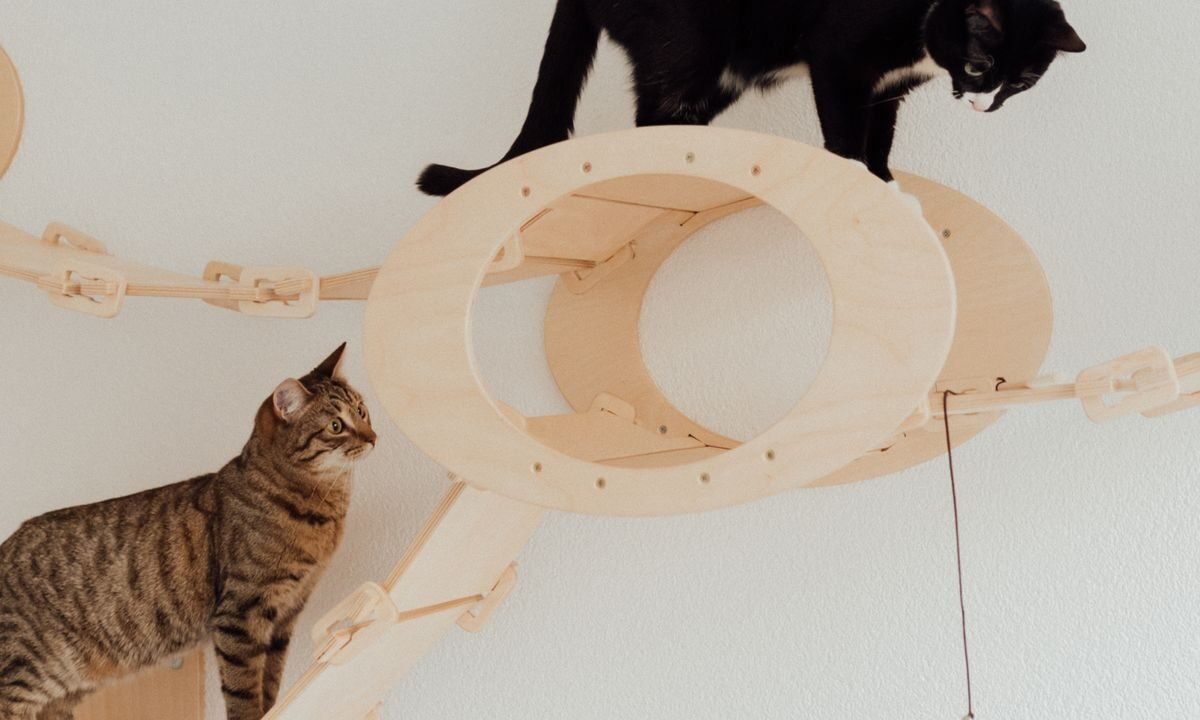
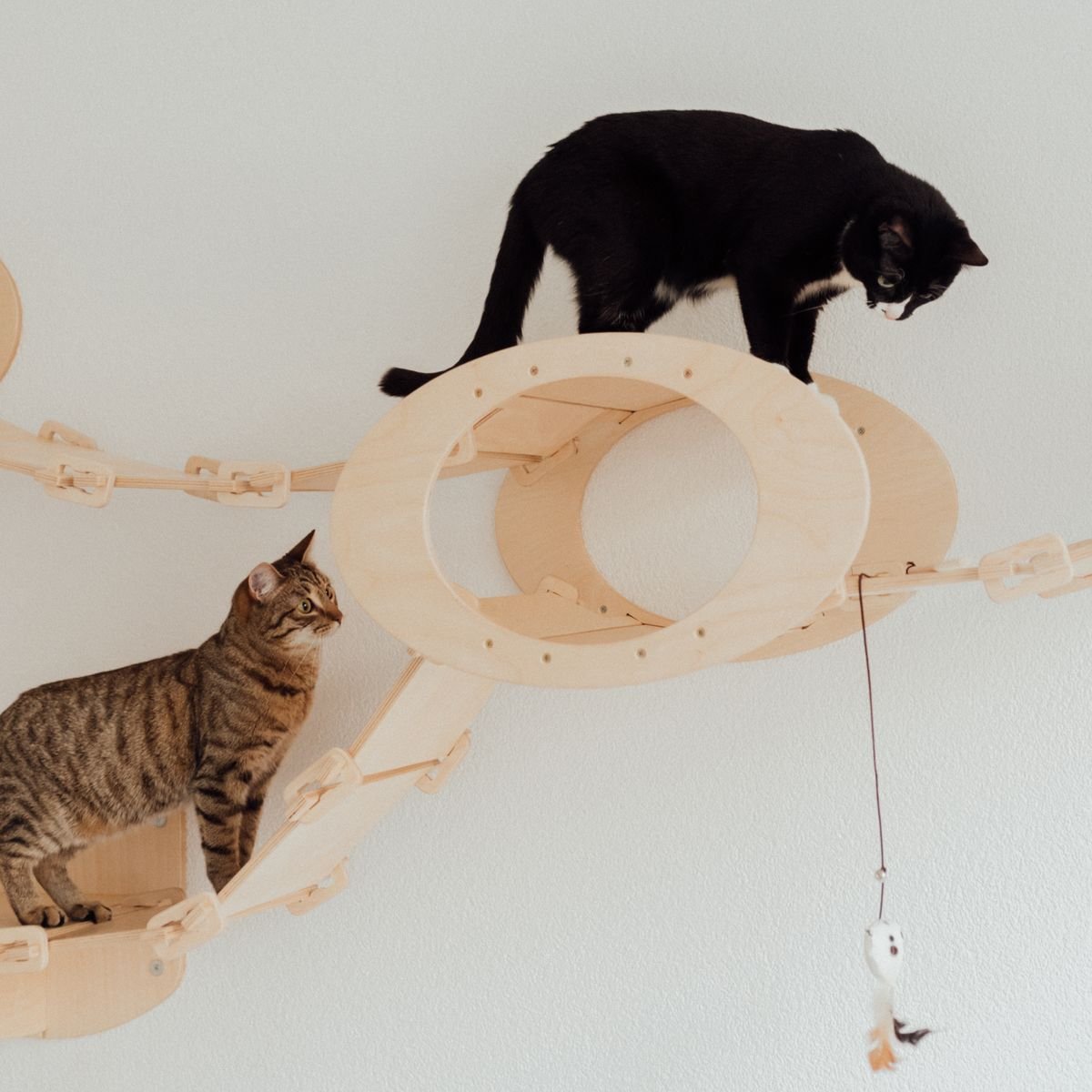
Exercise for overweight indoor cats should increase movement without asking an unfit cat to suddenly perform like a kitten. Short play sessions, food puzzles, climbing opportunities and small changes to where resources are placed can all help. However, weight loss is not an exercise-only project. Food intake still matters, and a veterinarian can help you set a safe target.
Confirm that your cat is actually overweight
Fluffy coats can hide body shape, and owners often become used to seeing their own cat at one size. Ask your veterinarian or vet nurse to show you how to assess body condition and ideal weight before starting a weight-loss plan.
Begin with short play sessions
Cats naturally tend to be active in bursts rather than through long endurance workouts. PDSA recommends short play sessions and notes that daily exercise is especially useful for indoor or overweight cats in its cat exercise guidance.
Use toys that make the cat move across the room
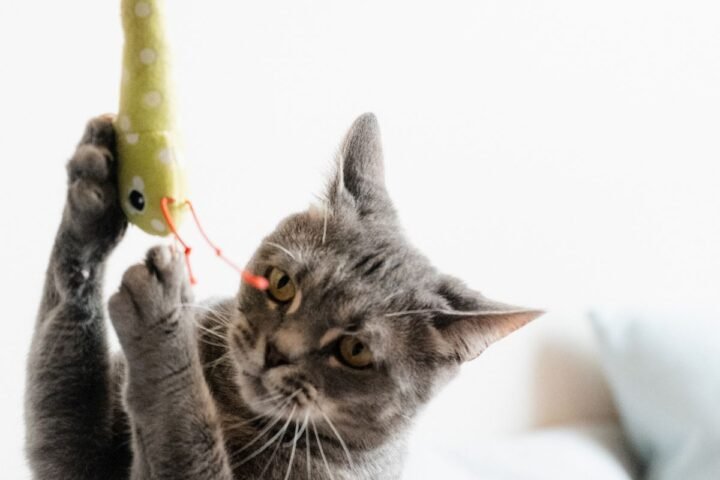
A wand toy can encourage walking, stalking and short chases. Keep movements low and achievable at first rather than demanding repeated high jumps. Let the cat catch the toy so the session has a natural finish.
Increase movement around normal routines
Place water, resting areas and scratching surfaces in sensible but separate parts of the home so the cat has reasons to walk. Do not make food or litter access difficult, especially for a cat with arthritis or mobility problems.
Puzzle feeders can slow eating and add activity
Use part of the cat’s measured daily food in a simple puzzle rather than adding extra treats on top. Start easy. If the puzzle is so difficult that the cat gives up, it is not providing useful enrichment.
Climbing can help, but make it realistic
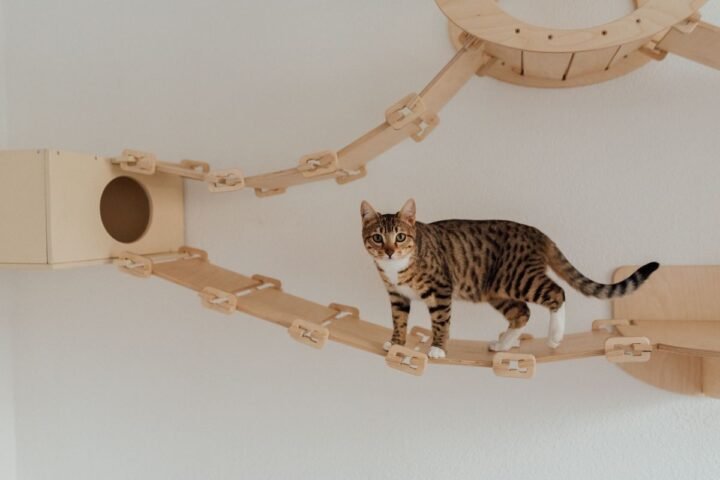
A stable low platform, window perch reached by steps or short cat-tree route may suit an overweight cat better than a huge leap. If your cat hesitates to jump, walks stiffly or avoids stairs, mention that to your veterinarian before pushing more activity.
Do not use food rewards carelessly
It is easy to reward exercise with more calories than the activity used. If you use treats during play, count them within the feeding plan. PDSA’s cat obesity guidance emphasizes both calorie control and daily exercise rather than treating either one as optional.
Rotate activities before the cat gets bored
Alternate a wand session with a rolling toy, box game or food puzzle. Our indoor cat exercise ideas include climbing, hunting-style play and simple movement games that can be adapted to your cat’s fitness.
Track progress in weeks, not days
Healthy feline weight loss is gradual. Weigh your cat at intervals recommended by your veterinary team and watch body condition, energy and mobility. Crash dieting can be dangerous for cats, so never dramatically cut food without veterinary guidance.
Stop if your cat seems breathless or distressed
Panting, collapse, obvious pain or prolonged difficulty recovering after play is not a sign that the workout was effective. End the session and contact your veterinarian if you are concerned.
Build an active day rather than one hard workout
Two or three short opportunities to move are usually more cat-like than one exhausting session. The aim is to make activity part of normal indoor life while food intake, health and mobility are managed alongside it.
0 comments