
Dog Nail Trimming: Safe Technique, the Quick and Fear-Free Practice
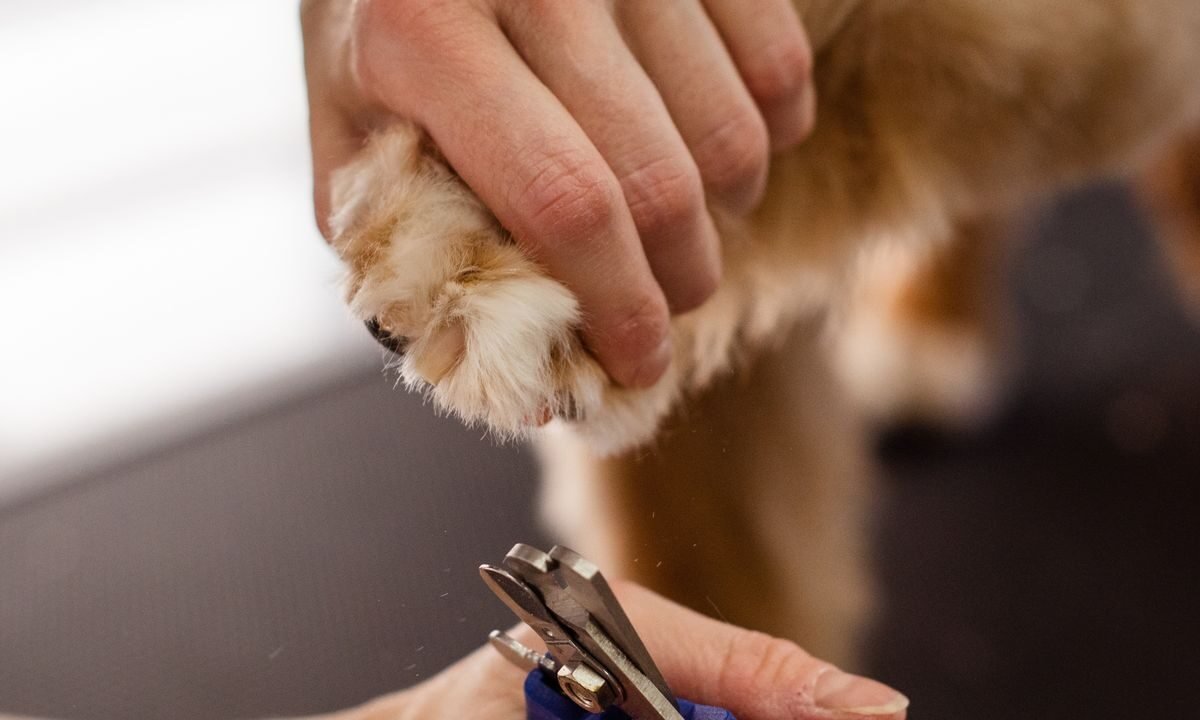
Nail trimming does not have to be a wrestling match. For many dogs, the hardest part is not the clip itself but the handling, restraint and sound of the tool. Short, calm sessions that build tolerance usually work better than trying to finish all four paws at once.
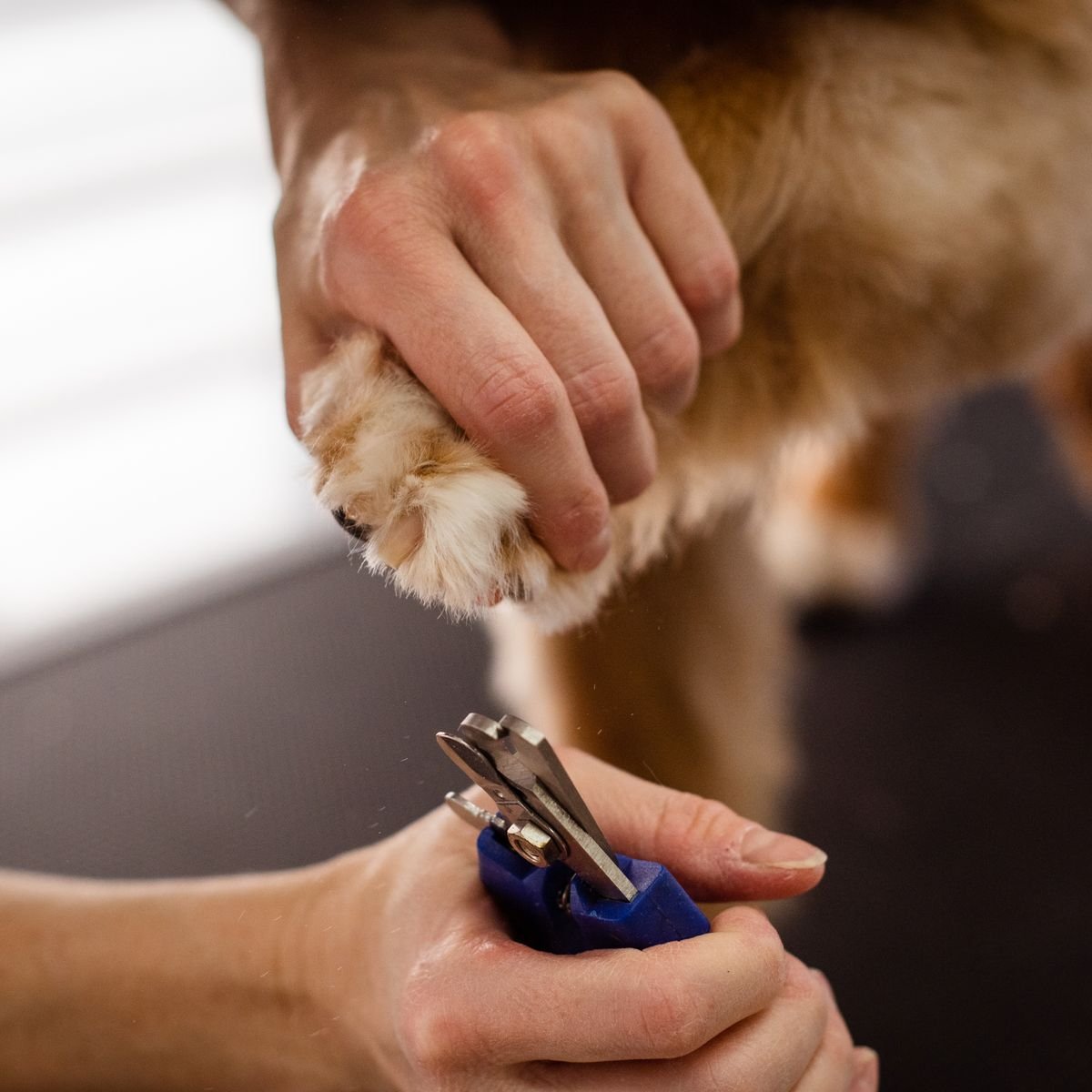
How to know nails may be too long
Overgrown nails may click heavily on hard floors, alter paw posture, snag on surfaces or curl toward the pad. Dewclaws deserve special attention because they may not wear down through normal walking.
The quick limits how much can be removed
In light nails the quick may be visible as a pink center; in dark nails it is harder to see. Remove very small amounts rather than making one deep cut. If you are unsure where to stop, ask a veterinary nurse, groomer or veterinarian to demonstrate on your dog.
Train handling before trimming
Practice touching the shoulder, leg, paw and individual toes while feeding small rewards. Then introduce the clipper or grinder without using it. Progress only while the dog remains comfortable. This can take several short sessions, especially after a previous painful trim.
One nail is still progress
There is no rule that every nail must be completed in one sitting. Trimming one or two nails calmly and stopping can be more productive than forcing a full session that teaches the dog to fear restraint.
Have a bleeding plan
Even careful owners can nick the quick. Keep styptic powder or another veterinarian-recommended clotting product available and apply steady pressure. Contact a veterinary clinic if bleeding is heavy, does not stop, or the nail is torn rather than simply clipped too short.
When professional help is safer
Seek help when nails are severely overgrown or curling, a nail is split or infected, the dog panics or attempts to bite, or mobility problems make positioning painful. Some dogs need a veterinary behavior and handling plan before safe nail care is possible.
What to record before the veterinary visit
Notice which paws are most sensitive, whether a nail is cracked or discolored, how the dog responds to handling and how frequently nails need attention. That information helps establish a realistic maintenance interval.
Bottom line
Short, positive practice sessions protect both physical comfort and future cooperation. If you cannot confidently identify a safe cutting point or your dog is highly distressed, professional trimming is the better choice.
Veterinary reference: Merck Veterinary Manual — Routine Health Care of Dogs.
For broader preventive care, see our everyday dog care guide and our guide to paw licking and paw discomfort.
Clippers and grinders each have advantages
Clippers are quick and quiet but can crush a brittle nail if dull. Grinders allow very small amounts to be removed gradually but introduce noise, vibration and heat. The safest tool is the one the handler can control and the dog can tolerate. Introduce either tool away from the paw before using it on a nail.
Choose a stable body position
Some dogs are comfortable standing, while others do better lying on their side or resting on a non-slip mat. Avoid twisting a leg outward simply to improve your view. Good positioning keeps joints in a natural range and gives the dog a way to remain balanced.
Dewclaws can overgrow unnoticed
Because dewclaws may not contact the ground, they often receive little natural wear. Check them during every nail session. A curled dewclaw can grow toward the skin or snag on fabric, making routine inspection especially important.
There is no universal trimming calendar
Nail growth and natural wear depend on age, activity, surface, gait and individual anatomy. Instead of trimming on an arbitrary date, inspect the nails regularly and adjust the interval. Dogs whose nails have become very long may need frequent tiny trims over time as the quick gradually recedes.
If your dog hates nail trims
Break the job into smaller pieces: touch a paw, reward; hold one toe, reward; bring the clipper near, reward. If your dog is already panicking, forcing the trim can make the next session harder. A groomer or veterinary team can help with very long nails, dark nails or dogs that cannot be handled safely at home.


0 comments