
Dog Ear Infections: Signs, Causes, Vet Diagnosis and Safe Home Care
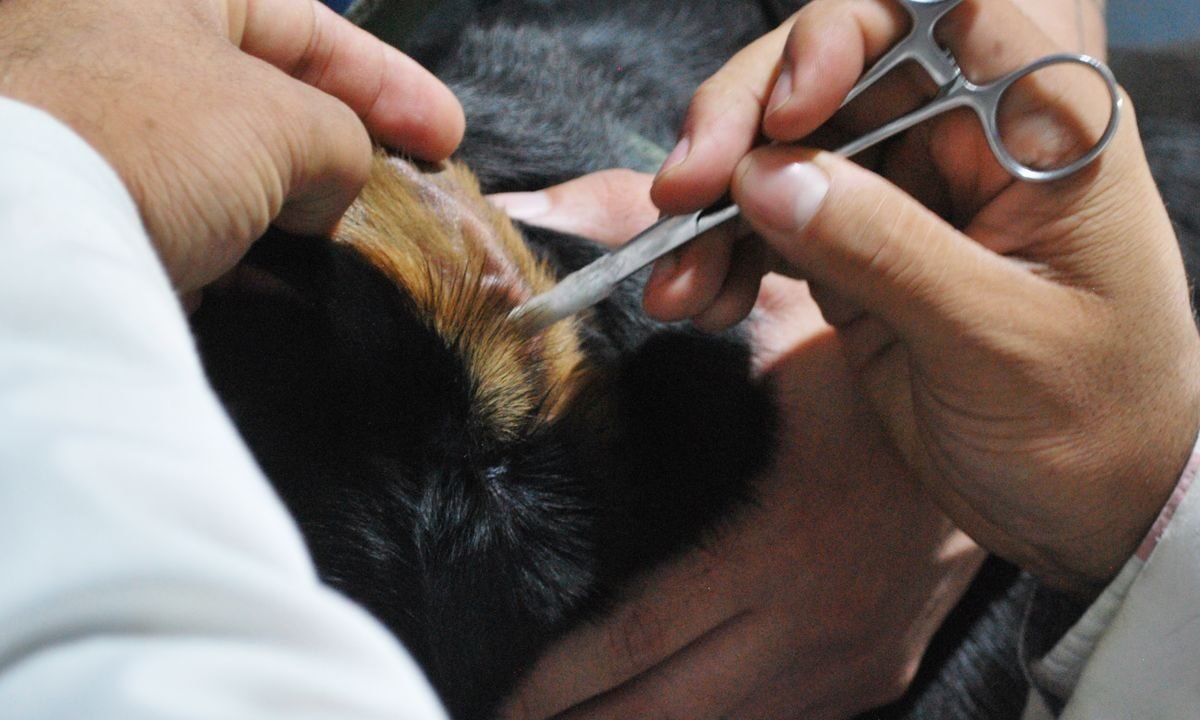
Ear problems are one of the most common reasons dogs are brought to a veterinary clinic. A dog that suddenly starts shaking its head, scratching one ear or developing a strong ear odor may have otitis externa—inflammation of the external ear canal—but the cause is not always a simple bacterial infection.
Common signs of an ear problem
- head shaking or tilting;
- scratching at one or both ears;
- redness or swelling;
- brown, yellow or pus-like discharge;
- strong or unusual odor;
- pain when the ear is touched;
- rubbing the head on furniture or carpet.
The Merck Veterinary Manual explains that canine otitis externa can be driven by allergies, parasites, foreign material, bacteria, yeast or middle-ear disease. That is why recurring ear trouble should not be treated as a one-product problem.
Why ear infections keep coming back
Secondary yeast or bacterial overgrowth may improve with treatment, but recurrence is likely if the underlying trigger remains. Common contributors include environmental or food allergy, moisture after swimming, narrow ear canals, ear mites in some dogs and plant material trapped in the canal.
What the veterinarian may do
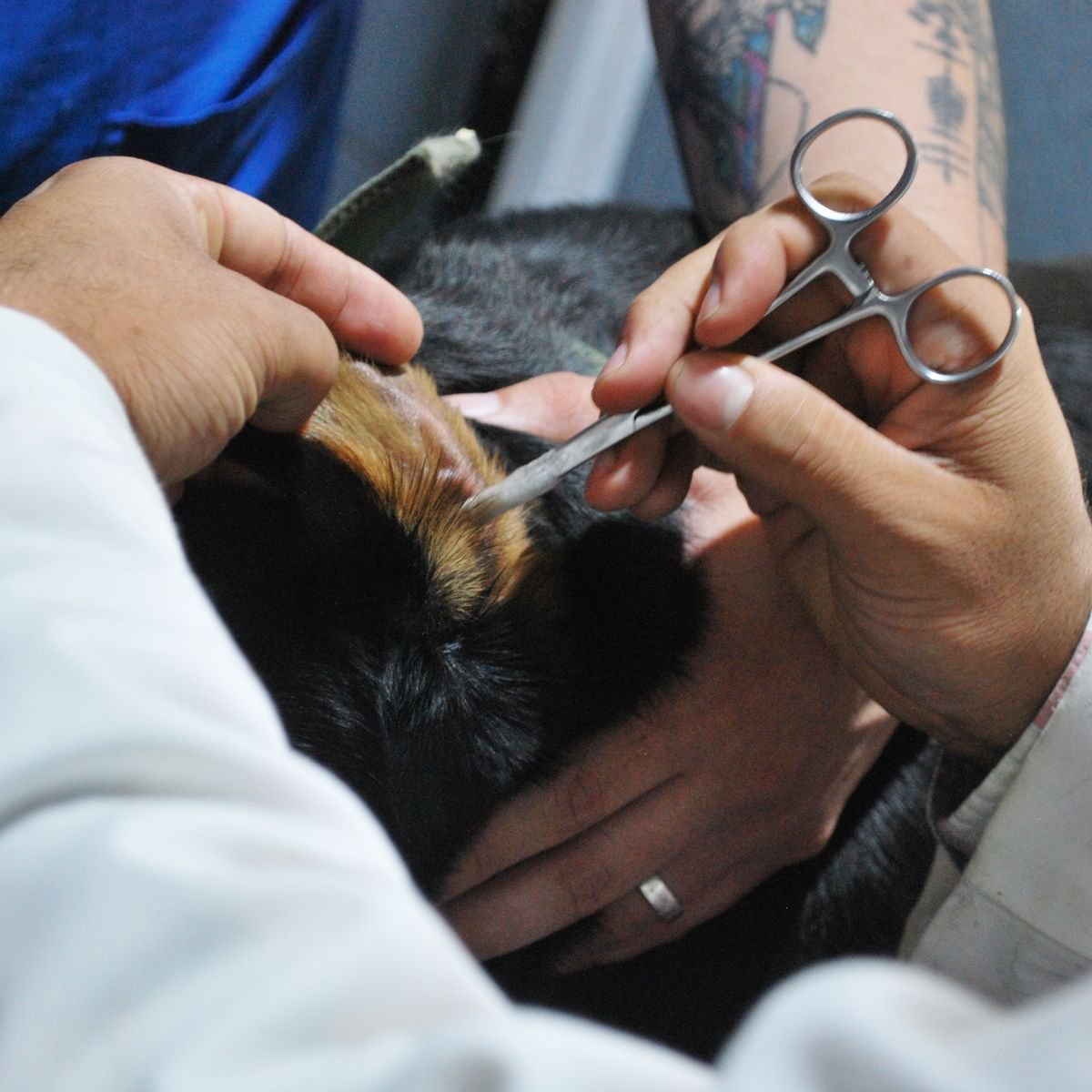
A veterinary exam may include an otoscope examination and microscopic evaluation of ear debris. Cytology helps determine whether yeast, cocci, rod-shaped bacteria or inflammatory cells are present. Painful or heavily blocked ears may require additional cleaning, sedation or imaging.
Do not put random home remedies into a painful ear
Vinegar mixtures, peroxide, essential oils and leftover ear drops can irritate inflamed tissue or be unsafe when the eardrum is damaged. Merck specifically cautions against irritating home remedies in inflamed ears.
Safe home care
If your veterinarian recommends ear cleaning, use the specific cleaner and frequency they prescribe. Do not push cotton swabs deep into the ear canal. For dogs that swim frequently, ask whether a preventive drying routine is appropriate.
When it needs prompt care
Seek veterinary attention quickly if the dog has severe pain, a head tilt, balance problems, facial weakness, repeated vomiting, marked swelling or a sudden one-sided problem after outdoor activity. Middle- or inner-ear disease can affect hearing and balance.
Prevention is individual
Healthy ears do not necessarily need frequent cleaning. Overcleaning can itself irritate the canal. A dog with recurrent allergy-related otitis may need a long-term skin and allergy plan rather than increasingly frequent ear products.
For whole-dog preventive care, see our everyday dog care guide. If your dog also has itchy paws or skin, our dog allergy and elimination-diet guide explains why skin and ear problems sometimes occur together.
Questions worth asking at the appointment
For a first ear problem, ask what the cytology showed and whether the eardrum could be visualized. For recurrent otitis, ask what primary disease is suspected and what would count as successful long-term control. Knowing whether the problem is mainly yeast, bacteria, allergy, foreign material or mixed disease helps prevent endless product switching.
Cleaning frequency should change with the diagnosis
A dog undergoing treatment may need a temporary cleaning schedule that would be excessive for a healthy ear. Once inflammation is controlled, some dogs need only occasional maintenance while others with chronic allergic disease need a veterinarian-designed routine.
Swimming and bathing
Dogs that swim often can retain moisture in the ear canal. Dry the outer ear gently after water exposure and ask whether a drying ear product is appropriate. Never pour alcohol or homemade mixtures into an inflamed or painful ear.
What successful treatment looks like
Less odor is not enough by itself. Head shaking, pain, redness and discharge should resolve, and recurrent cases may need a recheck to confirm the microscopic infection has cleared. Stopping treatment early because the ear “looks better” can leave the underlying problem unfinished.

0 comments