
Choosing a Boarding Facility or Pet Sitter: Safety Questions Owners Should Ask

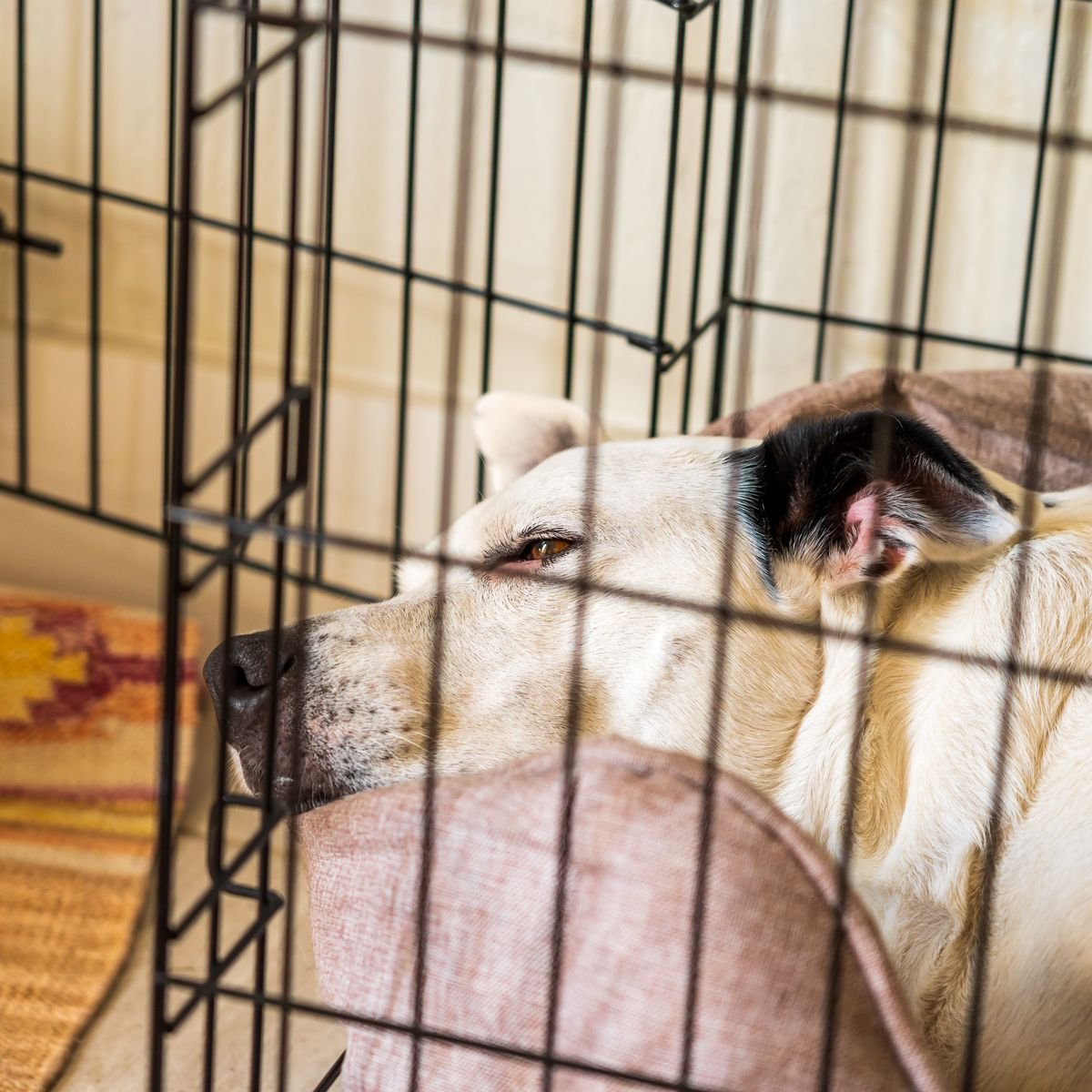
A polished website does not tell you how a pet will actually be cared for. The better questions are practical: Who is there overnight? How often are animals checked? What happens if a pet refuses food? Who can authorize veterinary care?
Decide whether home care or boarding fits your pet
Some pets cope well with boarding, while others do better in their own environment. Cats, rabbits, hamsters and many birds may find transport and unfamiliar surroundings especially stressful.
The RSPCA recommends considering home care where appropriate and checking that a carer understands the pet’s needs and special requirements.
Visit a boarding facility before booking
Look at cleanliness, smell, ventilation, temperature, security, noise level, resting areas, exercise space and how animals respond to staff. Ask to see the actual area where your pet will stay.
Ask about staffing
- How many animals does each staff member supervise?
- Are animals monitored overnight?
- Who is trained to give medication?
- What happens if staff call in sick?
Ask about emergency procedures
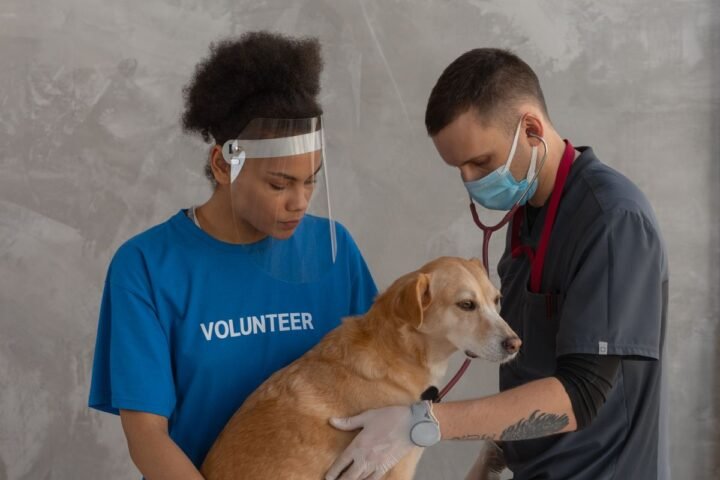
Which veterinary clinic do they use? How quickly can an animal be transported? Who pays at the time of treatment? What if you cannot be reached?
Vaccination and disease control should be clear
A reputable facility should be able to explain its vaccination, parasite, cleaning, isolation and illness policies. Requirements vary by species and local law, but vague answers are a warning sign.
Medication experience matters
If your pet needs insulin, eye drops, seizure medication or another timed treatment, ask exactly who gives it and how doses are documented. “We can probably manage” is not enough.
Pet sitters should have references and backup plans
Meet the sitter before hiring them. Ask about insurance, experience with your species, references, how they secure keys, and what happens if they become ill or cannot reach your home.
Do a trial if the pet has special needs
A short daycare visit, overnight trial or introductory sitting session can reveal stress or practical problems before a long trip.
Ask how behavior is handled
Find out whether dogs are group-played, how compatibility is assessed, how fearful animals are handled, and whether punishment-based methods are used. For prey species, confirm they are housed away from predators.
Leave written instructions even after a verbal handover
Our pet sitter instructions guide covers feeding, medication, emergency contacts and daily-care details worth leaving in writing.
Red flags
- Facility will not let you see care areas
- No clear emergency plan
- Overcrowding or strong persistent odor
- Inadequate temperature control
- No vaccination or disease policy
- Staff cannot explain medication procedures
- Poor security at doors, gates or enclosures
Ask how food and water intake are monitored
For pets that may become stressed in boarding, it is important to know whether staff measure actual food intake or simply refill bowls. Ask how reduced appetite, vomiting, diarrhea, or abnormal urination is recorded and when the owner is contacted.
Check enclosure size and resting options
Dogs need enough room to stand, turn, stretch and rest comfortably. Cats need hiding and litter areas that are separated from food where possible. Birds, rabbits and small pets need species-appropriate space, footing, temperature and escape security.
Find out how noise and stress are managed
A facility may be physically clean but still extremely stressful. Ask whether cats are separated from barking dogs, whether fearful animals have quiet areas, and whether staff recognize stress signals rather than forcing interaction.
Clarify exactly what the quoted price includes
Ask whether medication, extra walks, individual play, special feeding, bathing, emergency transport, late pickup, or holiday care costs more. Clear pricing avoids last-minute decisions that could affect care.
For sitters, ask how visits are documented
A professional sitter should be able to explain how they track arrival times, feeding, medication, toileting and problems. A short written log or app update is more reliable than memory over a multi-day booking.
Have a backup if the first arrangement fails
Keep contact details for a second sitter, boarding option, family member or emergency clinic in case the booked carer becomes unavailable or your pet develops needs they cannot safely manage.
The bottom line
Choose care based on the systems behind it, not marketing. Good carers welcome detailed questions about safety, routine, health, staffing and emergencies because those questions protect the animals in their care.

0 comments