
Caring for a Pregnant Cat: Feeding, Nesting and Warning Signs
Pregnancy changes a cat’s nutritional needs, behavior and need for a safe place to give birth. If you think your cat may be pregnant, the first useful step is a veterinary appointment. A veterinarian can confirm pregnancy, check the mother’s condition and help you plan feeding, parasite control and birth safely.
Confirm the pregnancy with your veterinarian
Do not press or squeeze the abdomen trying to count kittens. The Cats Protection pregnancy guide advises owners to speak with a veterinarian and notes that palpating the abdomen safely takes experience.
Expect pregnancy to last about nine weeks
Cats Protection states that feline pregnancy is usually around 63 days. Individual timing can vary, so keep your veterinarian informed if the expected date passes or you are unsure when mating occurred.
Feed a complete diet suited to pregnancy
Pregnant cats need more energy and nutrients as the kittens grow. Cats Protection recommends a good-quality kitten food during pregnancy because it provides the extra nutrition needed for fetal growth and later milk production.
Increase food gradually as appetite rises
Do not force large meals early in pregnancy. Many cats do better with several smaller meals as abdominal space becomes limited. Fresh water should always remain available.
Do not add supplements without advice
A complete commercial kitten food is formulated to provide balanced nutrition. Adding calcium, vitamins or other supplements without veterinary guidance can upset that balance or create problems.
Prepare a quiet nesting area
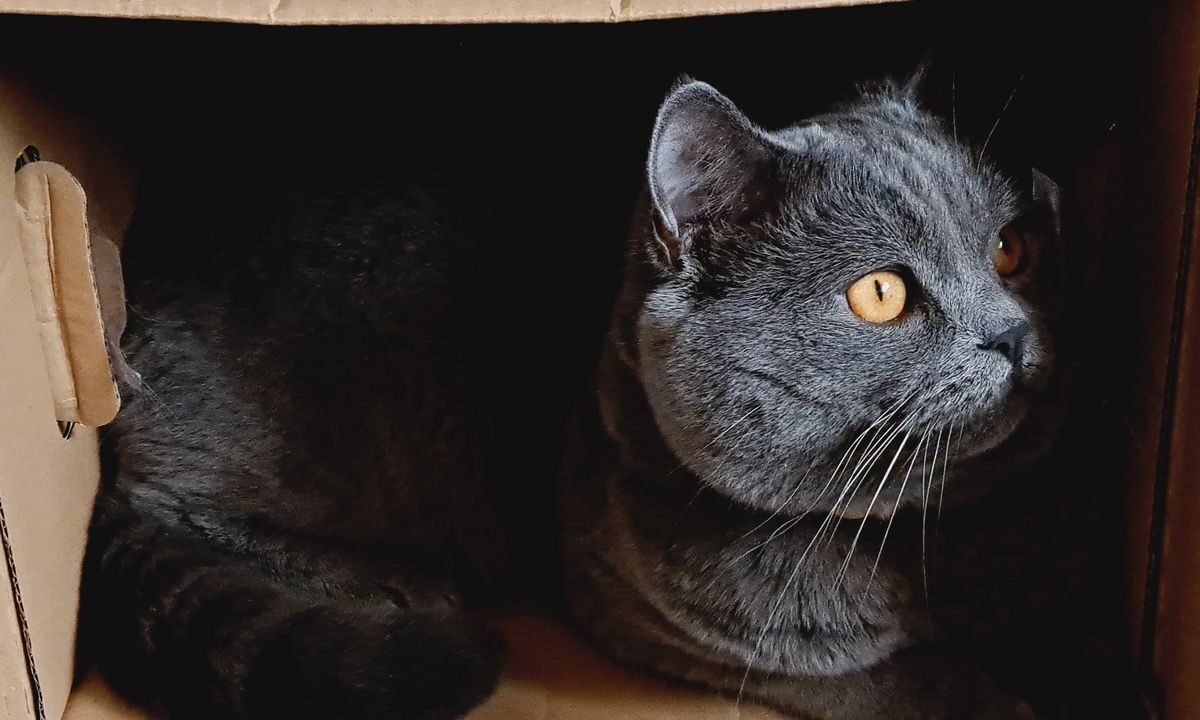
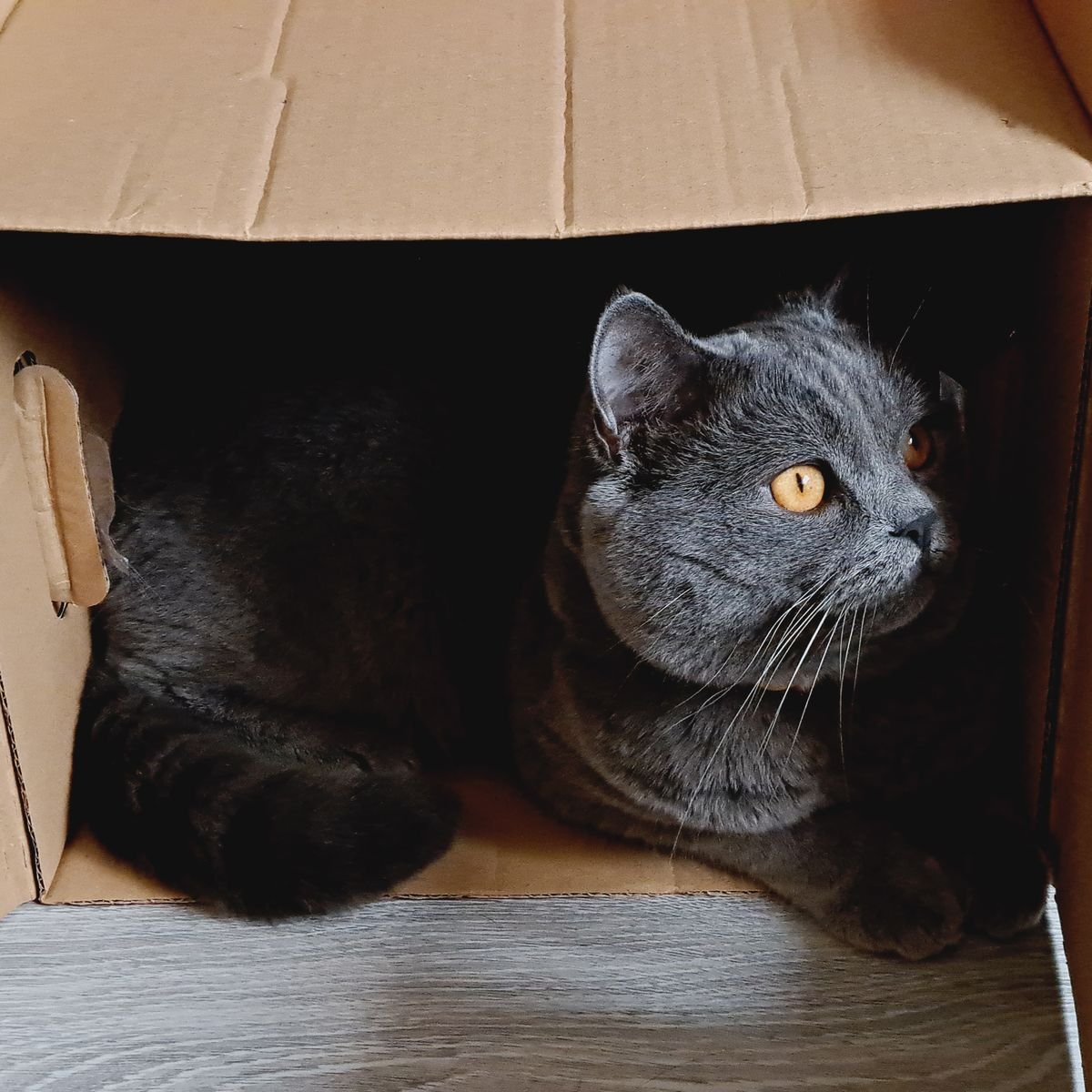
Cats Protection recommends a warm, clean, quiet and partly enclosed area with dry bedding. A sturdy box in a low-traffic room can work well. Keep food, water and the litter tray nearby but not inside the nesting box.
Let the cat choose the final location
You can offer a good nesting area, but some cats choose a different cupboard, box or corner. If the location is safe and accessible, it may be less stressful to adapt to the cat’s choice than repeatedly moving her.
Limit risks outdoors near the end
Cats Protection advises keeping a pregnant cat indoors during the final two weeks so she does not give birth somewhere inaccessible or become injured away from home.
Handle gently
Avoid lifting or restraining a heavily pregnant cat unnecessarily. If you must move her, support the body carefully and avoid pressure on the abdomen.
Watch appetite and behavior
Pregnant cats may become more affectionate, more restless or more interested in nesting as birth approaches. Mild appetite changes can occur, but repeated vomiting, complete refusal of food or marked weakness deserves veterinary advice.
Use pregnancy-safe parasite products only
Not every flea or worm treatment is appropriate during pregnancy. Ask your veterinarian which products are safe rather than using leftover medication or choosing one only because it is sold for cats.
Keep emergency information ready
Know the phone number and opening hours of your regular clinic and the nearest emergency service. Our veterinary appointment preparation guide explains what information is useful to record before you need to call.
Know when birth is not progressing normally
If your cat is straining hard without producing a kitten, seems extremely weak, has heavy bleeding, severe distress or you believe a kitten is stuck, contact a veterinarian urgently. Do not attempt to pull a kitten out yourself.
Plan for the period after birth
The mother will need continued high-quality nutrition while nursing, a clean quiet area and minimal unnecessary disturbance. Discuss kitten checks, parasite control, vaccination and the best time for the mother to be spayed with your veterinarian.
Keep the nesting area easy to manage
Choose a space where bedding can be changed easily and where the mother will not be disturbed by constant foot traffic. Keep everyday supplies nearby so you are not repeatedly moving items through the room.
Reduce unnecessary changes near the due period
Avoid rearranging the room, changing litter type or moving food and water repeatedly once the cat has settled on a nesting area. Familiarity can make the environment feel more predictable.
Keep pregnancy care simple and vet-guided
Good care for a pregnant cat means veterinary support, appropriate food, a quiet nesting area and careful observation. Prepare before labor starts so you can focus on the mother’s comfort and recognize quickly when professional help is needed.

0 comments