Dog
Dog Facts That Are Actually Useful: Senses, Behavior and Biology
A fact-checked look at canine smell, hearing, communication, sleep, domestication and body language—without viral myths or exaggerated numbers.

PetsFilled author
A fact-checked look at canine smell, hearing, communication, sleep, domestication and body language—without viral myths or exaggerated numbers.
Keep pets safer around urban wildlife with leashes, secure yards, supervised outdoor time, wildlife-proof food storage and local reporting when animals behave…
Some cat breeds are commonly described as social or people-oriented, but no breed guarantees a cuddly cat. Compare tendencies while prioritizing the…
The Aegean cat is a naturally occurring Greek landrace associated with the Cyclades. Learn what is known about its origin, appearance, behavior,…
Use trick training as enrichment with low-pressure games such as object targeting, toy names, chin rests, peekaboo and scent-based tricks. Keep sessions…
Move beyond basic sit and stay with practical skills such as emergency U-turns, mat settling, leave-it, chin rests, recall proofing and cooperative…
Ospreys are often associated with focus, independence and renewal in modern spiritual writing. Learn where symbolism ends and the bird's real biology…
Many ospreys migrate between breeding and wintering grounds, but routes differ by population and individual. Learn what satellite tracking shows about timing,…
Ospreys eat almost entirely fish. Their feet, flight style and hunting behavior are specialized for catching live prey near the water surface.
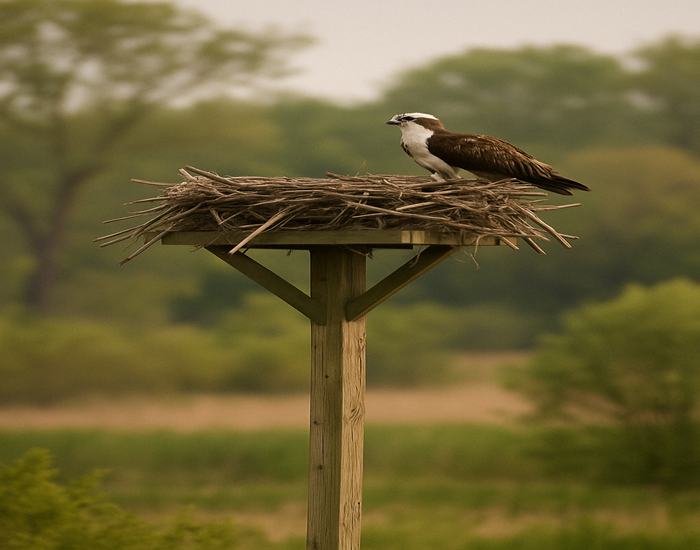
Ospreys readily use artificial nest platforms, especially where natural sites are limited or unsafe. Good platform projects consider location, electrical risk, debris…