
Husky Food Guide: Calories, Protein, Activity and What to Feed
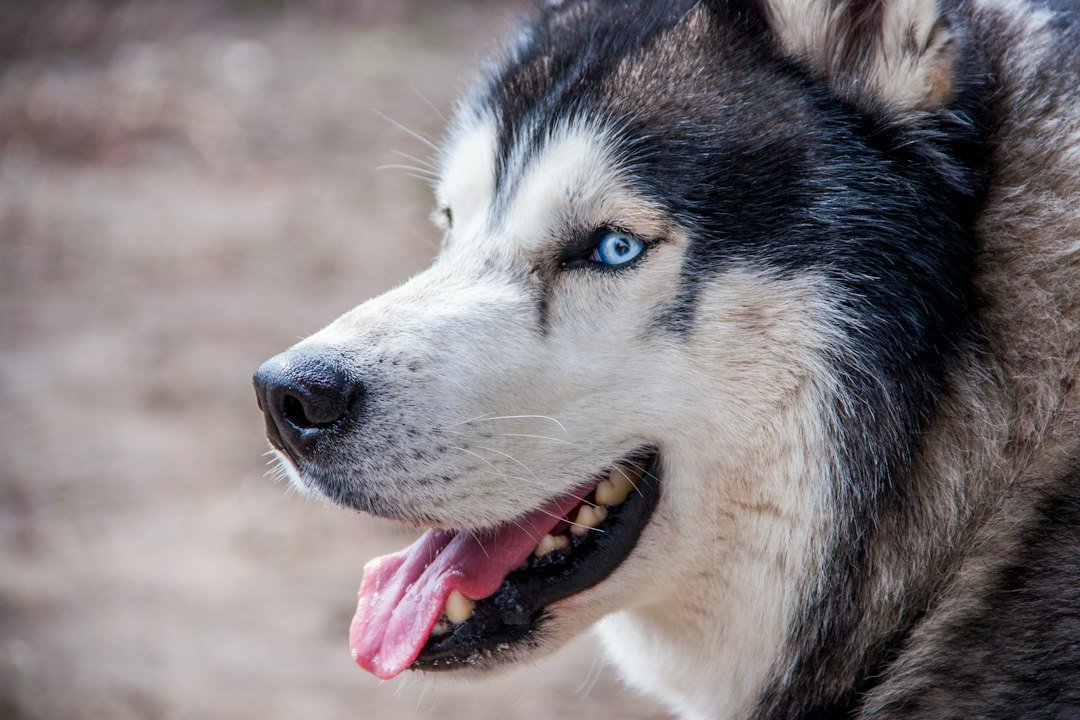
Siberian Huskies are athletic dogs, but that does not mean every Husky needs a high-calorie “performance” food. A family companion taking two moderate walks a day has very different energy needs from a dog running long distances in cold weather. The useful feeding plan starts with life stage, body condition and actual workload—not breed mythology.
Choose a complete diet for the correct life stage
Puppies need food formulated for growth, adults need an appropriate maintenance diet, and pregnant or lactating dogs have different requirements again. Look for the nutritional-adequacy statement rather than relying on the front-of-bag description.
Our dog feeding guide explains the general framework for portions, treats and body-condition monitoring.
How many calories does a Husky need?
There is no single accurate calorie number for the breed. Calorie needs change with body size, age, neuter status, environment, activity and individual metabolism. Feeding charts are only starting points.
Use body condition to decide whether the current amount is working. You should be able to feel the ribs with a light fat covering, see a waist from above and an abdominal tuck from the side. If those landmarks disappear, reduce calories gradually; if ribs, spine or hips become too prominent, reassess intake and health.
Active Huskies need fuel matched to workload
A working or endurance Husky may need significantly more energy than a pet dog, particularly during sustained training or cold-weather work. Increase calories according to measured workload rather than simply switching to the richest food available.
Performance diets can be more calorie-dense and higher in fat. That can be useful for a dog genuinely doing prolonged work, but unnecessary for a sedentary Husky and can promote weight gain.
Protein: focus on adequacy and quality
Healthy adult dogs need adequate high-quality protein, but there is no evidence that every Husky requires an unusually high percentage just because the breed is athletic. Protein supports muscle maintenance, enzymes, hormones and many other functions. More is not automatically better if the diet is already complete and balanced.
Judge the whole formulation rather than chasing the highest protein number on the shelf.
Fat: useful energy, but easy to overdo
Fat is calorie-dense and important for essential fatty acids and palatability. Active dogs may benefit from more energy from fat, while less-active household Huskies can gain weight quickly when portions of rich food are not adjusted.
If a Husky has pancreatitis or another condition requiring fat restriction, the medical diet takes priority over breed-based feeding assumptions. See our pancreatitis feeding guide for that situation.
Husky puppies: steady growth matters
Growing puppies need enough energy and nutrients without being pushed to grow as rapidly as possible. Feed a complete growth diet, divide the daily amount into age-appropriate meals and monitor body condition regularly.
Our puppy food label guide explains growth statements, calories and how to interpret large-breed wording on pet-food labels.
Meal frequency
Young puppies generally need several meals per day. Many healthy adult Huskies do well on two measured meals. Feeding once daily can work for some dogs, but two meals often makes portion control easier and avoids one very large serving.
Do Huskies “self-regulate” food?
Some Huskies appear less food-driven than breeds known for voracious appetites, but you should not assume every dog will stop eating at the right calorie intake. Free-feeding makes it harder to know how much the dog consumed and can hide appetite changes that may be medically important.
Measured meals create useful information. If a normally enthusiastic eater suddenly leaves food, you notice immediately.
What if a Husky is picky?
First check whether the dog is actually under-eating. A lean, healthy adult maintaining weight may simply need fewer calories than the owner expects. Constantly adding richer toppers can teach a dog to wait for upgrades and can unbalance the diet.
If appetite declines along with weight loss, vomiting, diarrhea, lethargy or another change, seek veterinary assessment rather than assuming the breed is naturally fussy.
Wet, dry or mixed feeding?
Any of these formats can work if the total diet is complete, balanced and calorie-controlled. Wet food adds moisture and may improve palatability. Dry food can be convenient for weighing and training rewards. Mixed feeding requires counting both portions so calories do not quietly double.
For format differences, see our wet dog food guide.
Treats and training rewards
The AAHA nutrition guidelines recommend keeping treats and other extras to 10% or less of daily calories. For a training-heavy Husky, reserve part of the measured daily ration and use it as rewards.
Hydration
Fresh water should be available unless a veterinarian has provided a specific medical instruction. Dogs doing sustained exercise, especially in warm conditions, need careful access to water and appropriate rest.
Change portions when activity changes
One of the easiest ways to overfeed an athletic breed is to keep the winter or training-season ration when exercise drops. Reassess portions after injury, seasonal changes, retirement from sport or a major change in daily walks.
Supplements are not automatically necessary
A complete commercial diet should already provide required vitamins and minerals. Adding calcium, multivitamins or high-dose supplements without a defined need can create nutrient imbalances—especially in growing puppies.
How to know the food is working
Look beyond coat shine. A suitable diet should support stable body weight, good muscle condition, normal stool, predictable appetite and appropriate energy for the dog’s workload. Track changes over weeks rather than judging from one meal.
Bottom line
A good Husky feeding plan is individualized. Feed a complete diet for the correct life stage, measure portions, keep the dog lean, adjust calories when activity changes and avoid assuming that every Husky needs performance-level calories. The dog’s body condition and workload are better guides than breed stereotypes.



0 comments