
How to Get a Cat Used to a Carrier After a Bad Experience
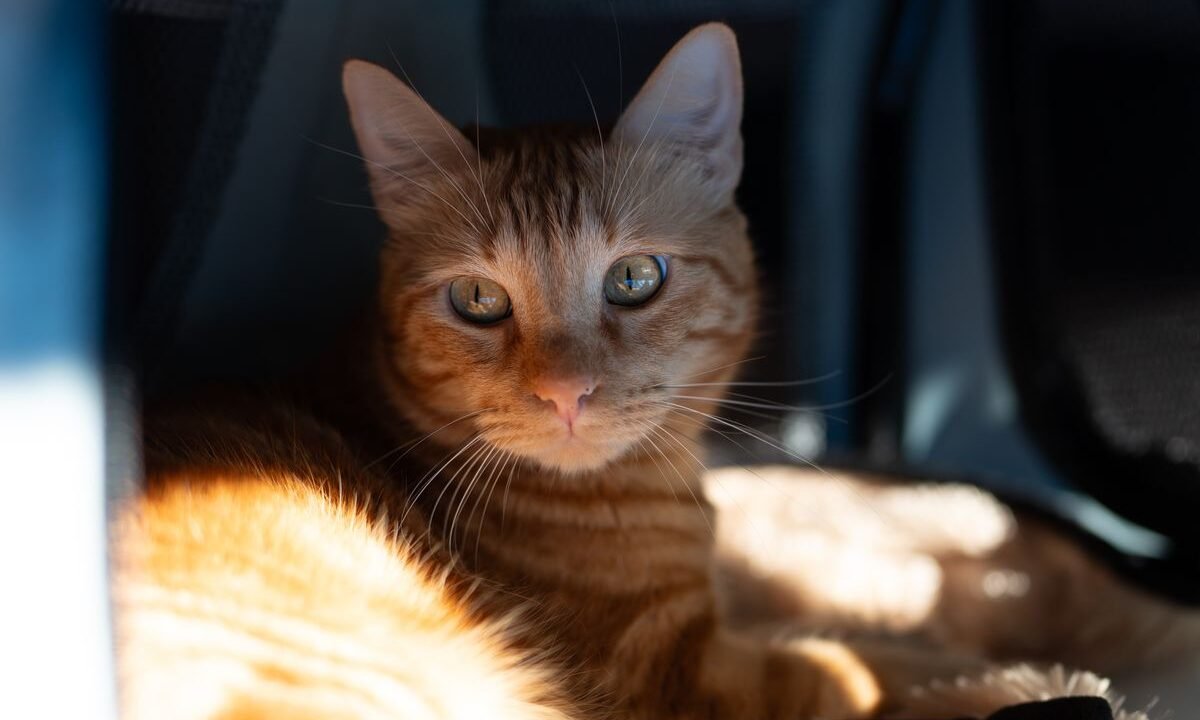
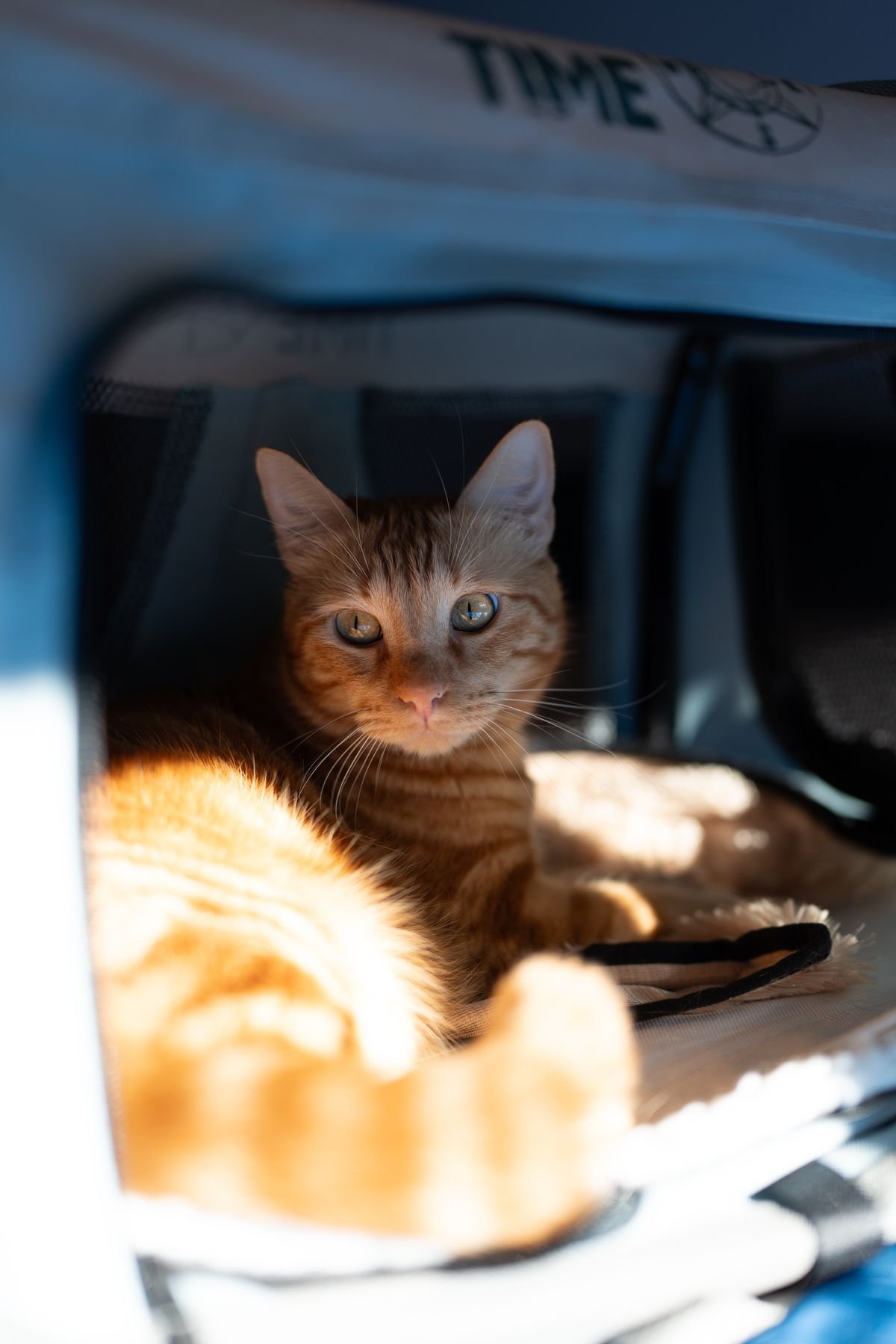
How to get a cat used to a carrier becomes a different problem when the cat already has a bad history with it. Maybe the carrier only appeared before injections, a frightening car ride or an emergency. Maybe the cat was chased through the house, pushed through a narrow door or trapped inside for hours. In that situation, you are not simply teaching a new skill—you are changing an existing emotional association.
Start by accepting that the carrier itself may predict fear
The Feline Veterinary Medical Association explains that cats learn from repeated associations. If being chased and forced into a carrier predicts a stressful veterinary visit, the carrier can become a warning signal before the trip even begins. Punishing or chasing the cat generally strengthens that pattern rather than fixing it.
Consider replacing or thoroughly cleaning a badly associated carrier
Cat Friendly Homes notes that a new carrier can sometimes help when an old one carries strong fear associations or stress odors. If you keep the same carrier, clean it with an unscented product, rinse well and let it dry completely before training begins.
Leave the carrier out permanently at first
Do not bring it out only for training sessions and then hide it again. Put the carrier in a quiet room where the cat already spends time. Secure the door open or remove it if the design allows. For several days, your only goal may be for the carrier to exist without anything happening.
Make the outside area rewarding before asking for entry
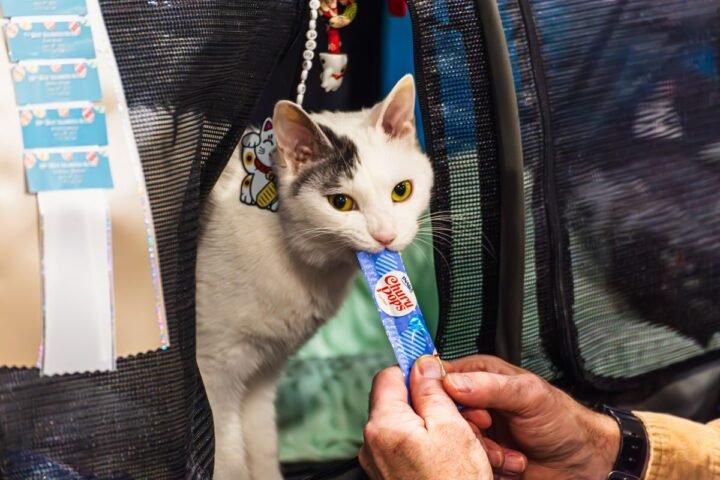
If the cat will not approach, do not start by putting food at the back of the carrier. Feed or play several feet away at whatever distance the cat remains relaxed. Over sessions, move the reward closer. Progress is the cat choosing proximity without freezing, crouching or retreating.
Use familiar bedding as a bridge
FelineVMA recommends familiar blankets or beds because home scent can make the carrier feel safer. If your cat already sleeps on a particular washable blanket, begin with that blanket outside the carrier, then gradually position it at the entrance and eventually inside.
Reward investigation without forcing the next step
A sniff, one paw inside or a brief head entry can be rewarded. Do not immediately close the door because the cat finally entered once. That can teach the cat that voluntary entry was a trap.
Separate entering from closing the door
Only after the cat enters comfortably should you begin touching the door. Move it an inch, reward and reopen. Later close it for one second, then two, then longer. If the cat stops taking treats or rushes out, make the next repetition easier.
Practice lifting as a separate skill
A cat can be comfortable inside a stationary carrier and still panic when it moves. Once closed-door time is easy, lift the carrier only slightly and set it down. FelineVMA recommends supporting the carrier from underneath rather than carrying it by the handle alone, because a swinging carrier feels unstable.
Move around the house before practicing the car
Carry the cat a few steps, return to the starting place and reward. Later walk to another room. The carrier should predict many short neutral or pleasant movements, not only a journey ending at the clinic.
Introduce the stationary car before the engine
For a cat with travel fear, place the secured carrier in the parked car for a short session, then return indoors. On another day start the engine briefly. Only after the cat tolerates those steps should you try a very short drive.
Do not use food to lure the cat farther than they can cope with
Food should reward confident choices, not drag the cat into a frightening situation. If the cat stretches forward for food while keeping the back legs braced to escape, you may be moving faster than the cat’s emotional comfort.
A different carrier design can solve part of the problem
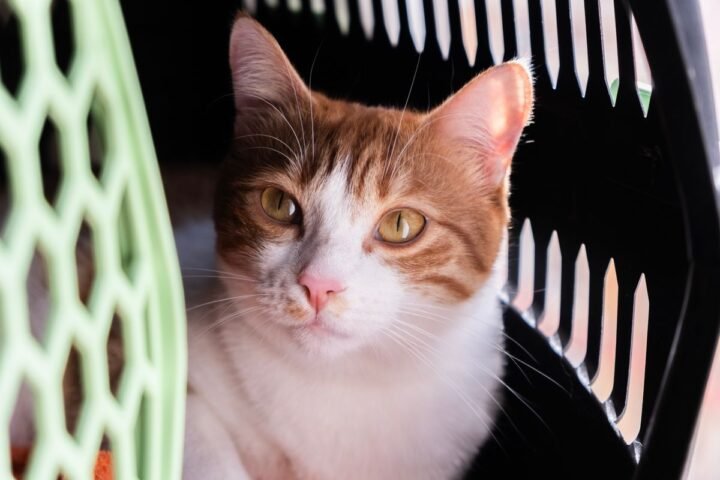
A removable-top hard carrier can be much easier for a fearful cat than a narrow single-door model. The veterinarian may be able to examine the cat in the lower half without pulling them out. Our hard-versus-soft carrier guide explains why access and stability matter.
Use the right size so the cat can settle normally
A cramped carrier can add discomfort, while one that is huge and unstable can make movement feel unsafe. Our cat carrier size guide covers standing room, turning space and why weight limits do not replace internal measurements.
Do not chase a reluctant cat around the house
FelineVMA’s positive-reinforcement guidance specifically warns that chasing and forcing a cat into a carrier can create a fearful-anxious response and strengthen future avoidance. If an urgent veterinary visit cannot wait for training, move calmly into a small room with few hiding places and use a top-opening or removable-top carrier if available.
Medication can be appropriate for some cats
Some cats remain extremely distressed despite careful training. FelineVMA notes that veterinarians may prescribe pre-visit medication such as gabapentin for selected cats. This should come from your veterinarian with instructions for that individual cat; do not use another pet’s medication or guess a dose.
Motion sickness can look like carrier fear
Drooling, vomiting or severe agitation during driving may involve nausea as well as anxiety. Tell your veterinarian what happens during travel. Treating nausea can be part of making future carrier experiences less frightening.
Use the existing general training guide as your foundation
PetsFilled already has a published cat carrier training guide for routine conditioning. This article focuses specifically on rebuilding trust after the carrier has already become a fear cue.
Measure progress by body language, not the calendar
A cat that voluntarily sleeps beside the carrier after two weeks may be making more meaningful progress than one that can be physically shut inside after two days. Slow, voluntary steps are the route to a carrier that feels ordinary again.
0 comments