
Where to Place Bird Feeders: Safer Positions for Windows, Cats, Rain and Hygiene
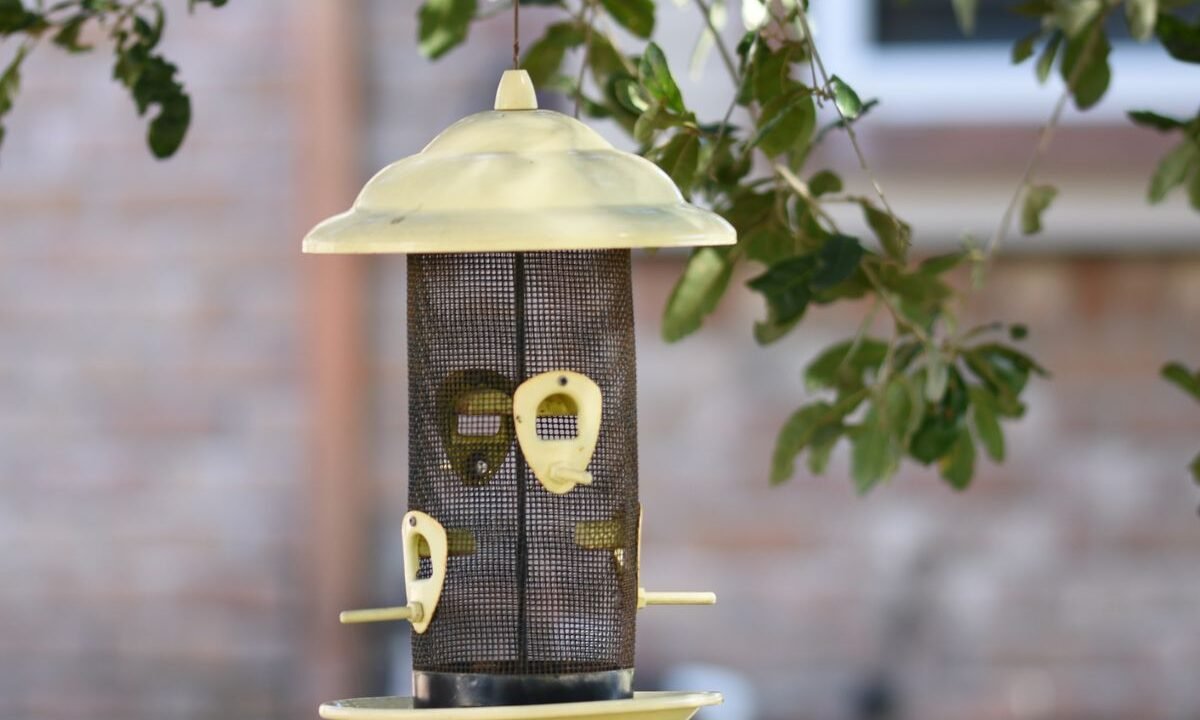
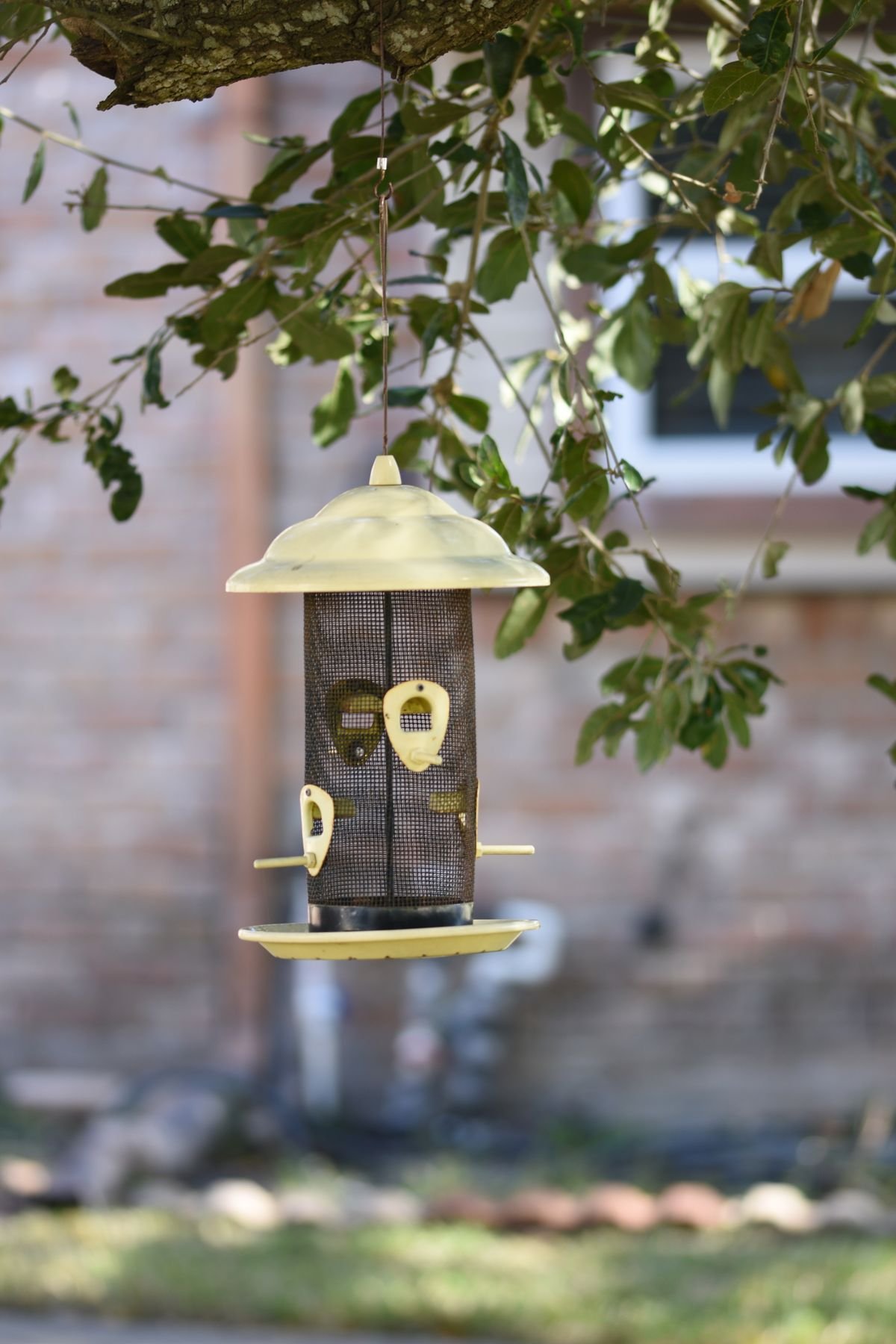
Where to place bird feeders is not only about getting a good view from the window. A feeding station can increase collision risk, expose birds to cats, collect contaminated debris or leave food wet if the location is chosen badly. The strongest setup balances visibility with safety, drainage, hygiene and the birds’ ability to approach and leave without being trapped.
Do not place feeders directly under bird roosting sites
The RSPB advises avoiding positions beneath places where birds regularly perch or roost, including under trees, because droppings can contaminate the food. Look above the feeder as well as around it. A protected branch can be useful nearby, but the feeder itself should not sit directly in the droppings zone.
Raise feeders beyond easy reach of cats
Current RSPB advice recommends positioning feeding stations well out of reach of cats. Avoid a low feeder beside dense ground cover where a cat can wait unseen and launch a short attack. Keep domestic cats indoors where possible, especially when birds are actively feeding or young birds are present.
Windows need active collision prevention
Older bird-feeding advice often focused on precise feeder distances from glass. More recent Cornell Lab guidance says not to rely on a simple distance rule when a feeder is near windows; instead, make dangerous glass visibly bird-safe using effective exterior patterns, screens or other collision treatments. Their current window-collision guidance specifically identifies windows near feeders as a priority for treatment.
If a feeder is attached directly to a window, treat the surrounding glass too
Window feeders can be useful for observation, but reflected sky and vegetation elsewhere on the same pane can still confuse birds. External markers or screens are more effective than one decorative sticker in the center of a large reflective window.
Choose shelter from extreme wind and rain
A feeder that swings violently or fills with rain will waste food and can discourage birds. Place it where the feeding ports remain reasonably sheltered while still allowing clear approach routes. RSPB guidance emphasizes keeping food dry because damp food increases disease risk.
Do not solve shelter by hiding the feeder in dense cat cover
Nearby vegetation can give birds somewhere to rest and retreat, but a feeder buried inside a low shrub can also create an ambush point. Think about both aerial refuge and ground predators. Open visibility around the immediate feeding spot can help birds detect danger.
Plan to move the feeder regularly
The RSPB’s current guidance recommends moving feeders to a different location after cleaning, ideally weekly. That reduces the buildup of old food, hulls and droppings in one patch of ground. A feeder that is permanently fixed over the same contaminated soil loses this hygiene advantage.
Pick a location where ground cleanup is realistic
Seed and droppings are much easier to remove from a surface you can reach than from thick inaccessible vegetation. Leave enough space beneath the feeding station to rake, sweep or collect debris regularly without damaging habitat around it.
Keep the feeder away from areas treated with pesticides
Birds using a feeding station also forage nearby. Avoid positioning feeders where plants, ground or insects are routinely treated with chemicals that may be hazardous. Supporting natural insect life and bird-friendly planting can complement feeding.
Avoid food falling into water features or ponds
Dropped seed can spoil in water and add unnecessary organic material. If you also provide a bird bath, place it where falling seed and droppings from the feeder do not constantly contaminate the water.
Separate feeding stations can reduce crowding
The RSPB suggests using several feeding points when practical rather than concentrating every bird at one feeder. Spacing can reduce competition and the amount of contact between different species at a single contaminated spot.
Do not put every food type in one location
Different feeder designs attract different birds. Separating suet, mealworms and other suitable foods can spread activity around the garden. This also makes it easier to remove one feeder for cleaning without ending all feeding at once.
Visibility for you is useful when it helps monitoring
A feeder you can see from indoors makes it easier to notice when food gets wet, a squirrel damages the feeder or a bird appears sick. The best viewing position is one that still allows the glass to be made bird-safe and the feeding station to be cleaned easily.
No birds after a move does not mean the location is wrong immediately
Birds may need time to discover a new station. Keep food fresh and give them time. If the feeder remains unused, try another safe position rather than adding larger amounts of food that may spoil.
Placement and hygiene are inseparable
Our bird feeder guide explains cleaning, food choices and disease prevention. The best physical location is one you can keep dry, predator-aware and clean week after week—not simply the branch closest to your favorite chair.
Use current local guidance when feeding wild birds
Disease risks and seasonal feeding recommendations differ by region. In the UK, the RSPB’s 2026 guidance now recommends pausing seeds and peanuts from May through October because of trichomonosis risk. If you live elsewhere, check your national or local bird-conservation organization for equivalent guidance.
The safest feeder position may change over time
Trees grow, cats discover hunting spots, windows are replaced and seasons change. Reassess the location periodically. Safe wild-bird feeding is an active setup, not a hook you choose once and forget.

0 comments