
How Often Should You Change Aquarium Water? Use Test Results, Stocking and Tank Type
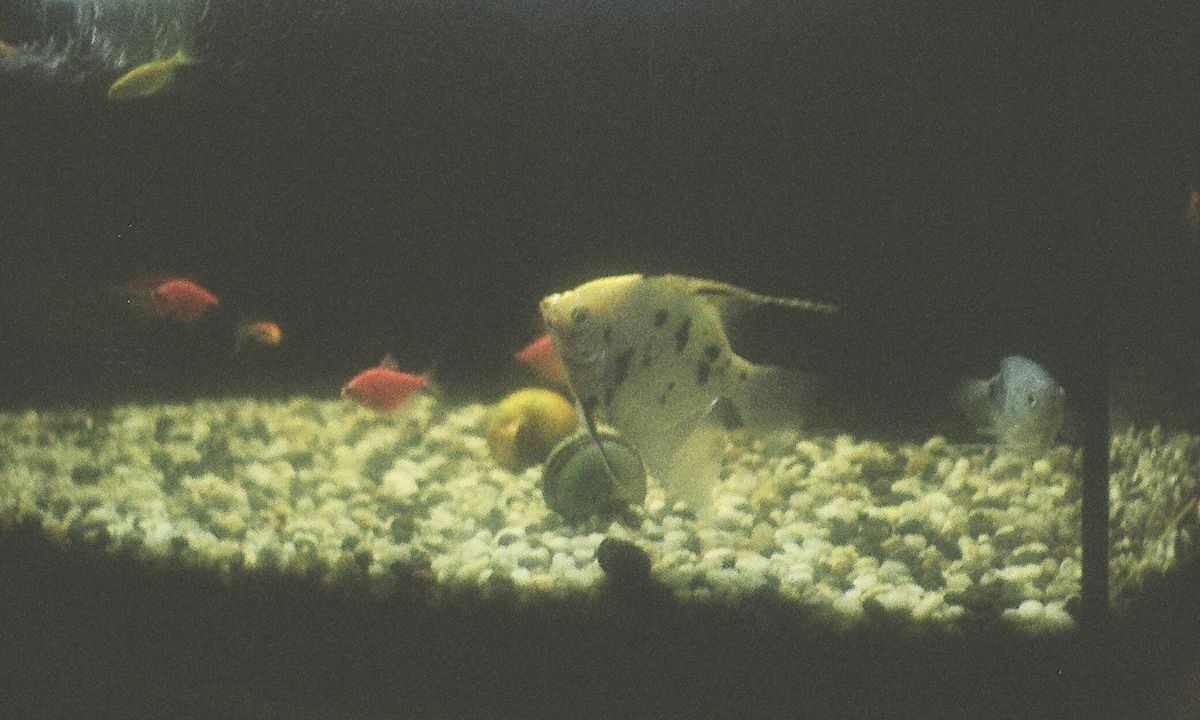
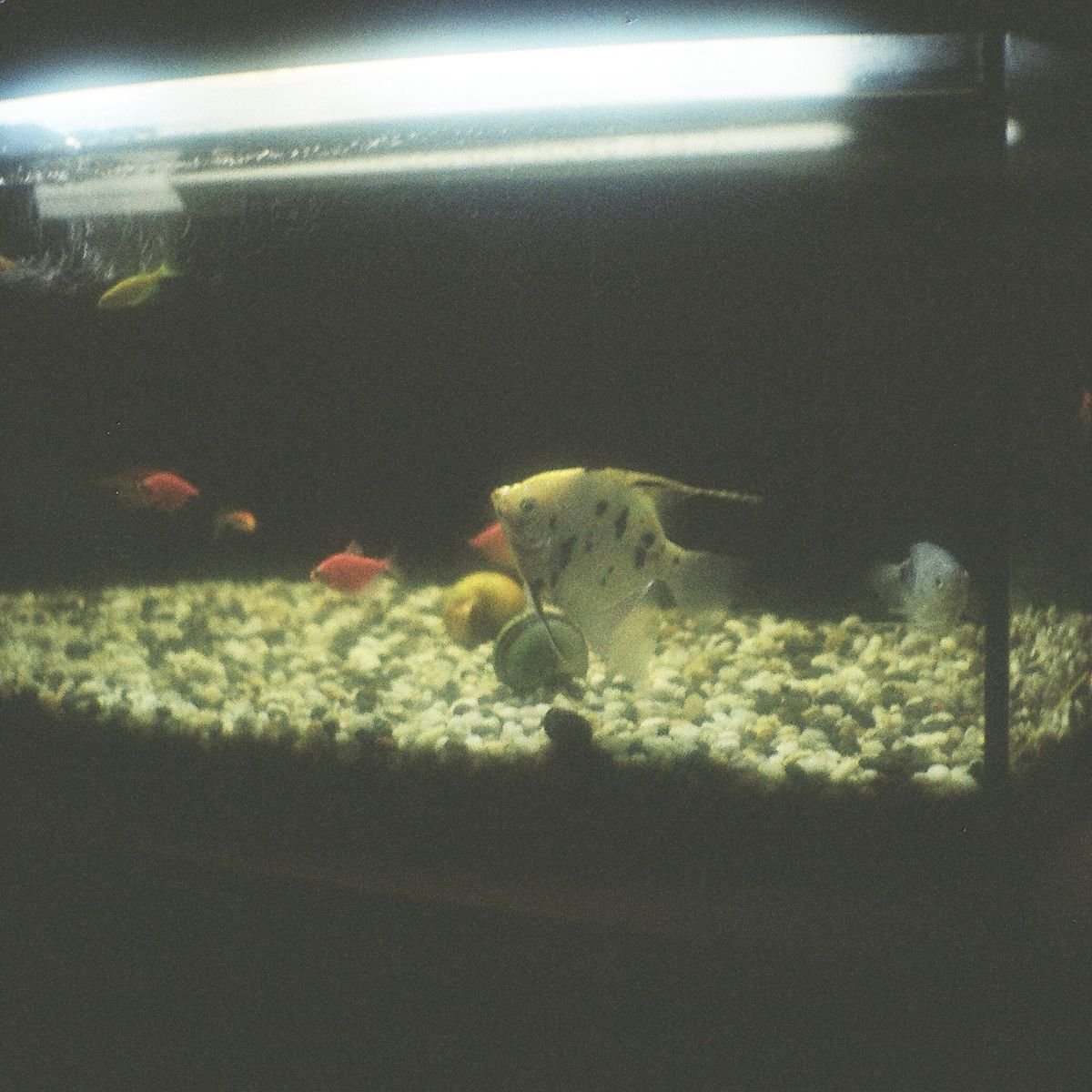
How often should you change aquarium water? For many established freshwater tanks, a practical starting routine is a small partial change every week or a somewhat larger one every other week. PetMD’s 2026 fish-tank cleaning guide gives about 10% weekly or 25% every other week as general starting recommendations. That is useful, but it should not become a rigid rule: stocking, feeding, species, nitrate production, source water and tank maturity all affect the right schedule.
Water tests should confirm whether the routine is working
A schedule is only successful if the water remains appropriate for the animals you keep. Test ammonia, nitrite, nitrate and pH, plus any species-specific parameters. PetMD’s water-testing guide emphasizes that water can look clean while chemistry is unsafe.
Why partial water changes are needed
Biological filtration converts ammonia and nitrite into nitrate, but nitrate and other dissolved substances can accumulate over time. Water changes remove part of that buildup and replace minerals or buffering capacity used by the system. They also provide an opportunity to siphon visible waste from the substrate.
Ten percent weekly is a reasonable starting point for many tanks
PetMD’s 2026 fish-tank cleaning guide recommends 10% weekly or 25% every other week as basic guidance for established aquariums. If your tank has consistently safe readings and healthy fish, that can be an easy routine to remember.
Heavily stocked tanks may need more frequent changes
More fish generally means more waste. Large waste-producing species, crowded tanks or systems with little plant uptake can accumulate nitrate faster. If nitrate rises quickly despite reasonable feeding, the answer may be larger or more frequent partial changes—and possibly a review of stocking.
Overfeeding can make a good schedule inadequate
Uneaten food and extra fish waste add nitrogen and organic material. Before automatically doubling your water-change volume, check whether you are feeding more than the animals consume. Maintenance cannot compensate indefinitely for chronic overfeeding.
New tanks need closer testing than mature ones
During cycling or after adding new fish, ammonia and nitrite can change quickly. Our fish-tank cycling guide explains why a fixed weekly maintenance routine is not enough when biological filtration is still developing.
Do not change 100% of the water during normal maintenance
Draining the aquarium completely is usually unnecessary and can create large shifts in temperature and chemistry. PetMD advises partial changes and specifically cautions against very large replacements in routine care. A complete teardown should have a specific reason, not be the default cleaning method.
Match replacement water to the aquarium
Use conditioner when tap water contains chlorine or chloramine, and bring replacement water close to the aquarium’s temperature. Saltwater systems require appropriate salinity matching as well. Sudden chemistry changes can stress fish even when the new water is technically “clean.”
Nitrate is useful, but it is not the only number
PetMD’s 2026 nitrate-poisoning guidance notes that sensitivity to nitrate varies by species. Test ammonia and nitrite too, and monitor pH and any specialized requirements. A low nitrate result does not excuse dangerous ammonia.
Plants can change nitrate use but do not eliminate maintenance
Fast-growing live plants may consume some nitrogen compounds, but decaying leaves can release waste back into the system. Planted aquariums still need testing, trimming and species-appropriate water changes.
Use a siphon to remove waste without stripping the tank
During a partial change, siphon obvious debris from accessible substrate areas. You do not need to sterilize every surface. Beneficial bacteria live throughout the aquarium, especially in filter media and on surfaces, and the goal is to manage waste without repeatedly resetting the ecosystem.
Adjust the schedule after measurable trends, not one unusual reading
Keep a simple log. If nitrate repeatedly reaches your chosen threshold before the next planned change, shorten the interval. If values stay stable and the species’ needs are met, your routine may be adequate. Sudden abnormal readings should still be investigated immediately rather than waiting for the scheduled maintenance day.
Aquarium maintenance is broader than changing water
Our aquarium maintenance guide covers filter care, testing and routine observation alongside water changes. Changing water is essential, but stable fish care also depends on feeding, stocking, temperature and functioning filtration.
Build a repeatable routine, then let the test kit refine it
For many established freshwater aquariums, start around 10% weekly or 25% every other week, then adjust to the actual tank. A schedule that keeps chemistry stable with minimal sudden swings is more useful than copying the largest water-change percentage you see online.

0 comments