
Beginner Aquarium Mistakes: 12 Problems That Can Harm Fish or Destabilize a New Tank
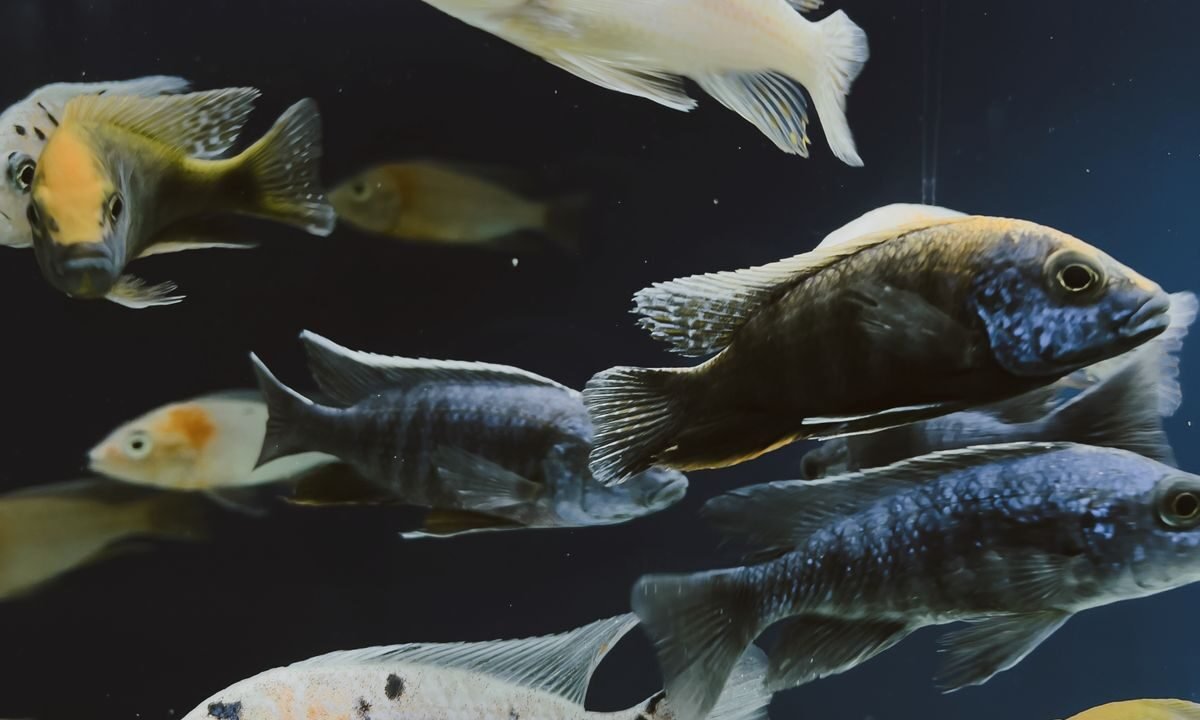
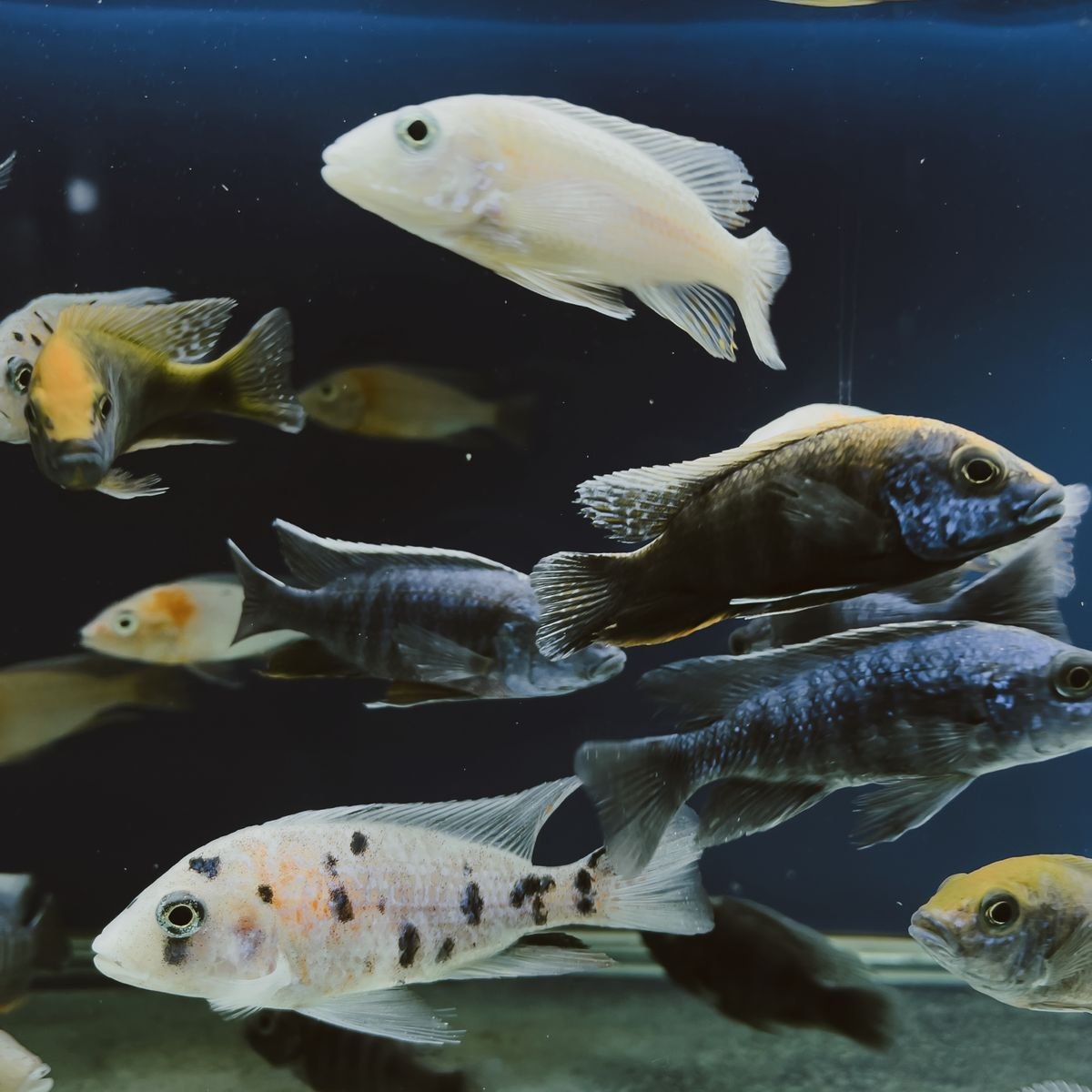
Beginner aquarium mistakes usually happen because a fish tank looks simpler from the outside than it really is. Water can look clear while ammonia is rising, a filter can be running while the biological cycle is still immature, and feeding a little extra can create more waste than a new tank can process. The good news is that most early problems are preventable once you understand what the aquarium is actually doing.
1. Adding fish before the tank is cycled
This is one of the most important mistakes to avoid. A new aquarium needs beneficial bacteria that convert toxic ammonia into nitrite and then nitrate. PetMD’s 2026 freshwater aquarium setup guide says natural cycling commonly takes about four to six weeks, although the actual endpoint should be confirmed with water testing rather than a calendar.
2. Trusting clear water instead of testing it
Clear water does not prove that ammonia, nitrite, nitrate or pH are safe. PetMD notes that poor water quality is a leading cause of illness and death in aquarium fish and that testing is the only reliable way to detect many problems early. Keep an appropriate test kit and learn what the readings mean for the species you keep.
3. Overfeeding because the fish still look hungry
Many fish will continue searching for food after they have eaten enough. Excess food breaks down and adds waste to the system, while overfeeding also increases fish waste. PetMD lists overfeeding among common fishkeeping mistakes. Feed according to the species’ needs and remove obvious uneaten food rather than assuming more food equals better care.
4. Adding too many fish at once
A cycled filter can process only the waste load it has adapted to. Adding a large group of fish suddenly can overwhelm biological filtration and cause ammonia or nitrite to rise. Add livestock gradually and test after each change. Research adult size and social needs rather than stocking based on how small fish look in the shop.
5. Choosing fish before checking compatibility
Species differ in adult size, temperature, water chemistry, swimming space, aggression, schooling behavior and diet. A peaceful-looking juvenile can become territorial or much larger. Plan the community before purchase. Our beginner fish-tank setup guide covers equipment and species planning before fish are added.
6. Replacing all filter media because it looks dirty
The filter is not just a debris trap. It is one of the main homes for beneficial bacteria. Throwing away all biological media or sterilizing it can destabilize the nitrogen cycle. Follow the filter manufacturer’s instructions and clean reusable media gently rather than trying to make everything look brand new.
7. Washing filter media in untreated tap water
Chlorine and chloramine are used to disinfect tap water and can harm the bacteria you are trying to preserve. When reusable media needs rinsing, many aquarists use removed aquarium water during a water change. Always follow the equipment instructions and use conditioner on replacement tap water before it enters the tank.
8. Doing a complete water replacement during routine cleaning
Routine maintenance should usually involve partial water changes, not draining the aquarium and starting again. Large sudden changes can alter temperature, pH and chemistry while disturbing the biological system. PetMD’s 2026 fish-tank cleaning guide recommends regular partial changes and using test results to determine whether the schedule is adequate.
9. Ignoring temperature matching during water changes
Replacement water should be appropriately conditioned and close to the aquarium’s existing temperature. A rapid temperature swing can stress fish. Saltwater and specialized systems also require other parameters, such as salinity, to be matched carefully.
10. Treating algae as the only water-quality indicator
Algae can respond to light and nutrients, but a spotless tank can still have dangerous ammonia or nitrite. Likewise, some algae are normal in established systems. Test the water instead of using algae alone as a verdict on aquarium health.
11. Cleaning too much after cloudy water appears
Cloudiness in a new tank can be associated with bacterial blooms or suspended debris. Pulling fish out, replacing all water and scrubbing every surface can make an immature system less stable. Our guide to cloudy new fish tanks explains why the color and timing of cloudiness matter before you choose a response.
12. Making several corrections at once
If you change the filter, food, water chemistry, lighting and stocking on the same day, you may not know which change helped or caused a new problem. Unless there is an emergency such as toxic ammonia or nitrite, make controlled changes and keep records of water tests and maintenance.
A simple testing notebook can prevent repeat mistakes
Record dates, ammonia, nitrite, nitrate, pH, temperature, water changes and new livestock. Patterns are much easier to see on paper than from memory. If nitrate is climbing faster each week, for example, the tank may be overfed, overstocked or due for a maintenance adjustment.
Beginner fishkeeping becomes easier when you manage the system, not just the fish
Healthy aquarium care is mostly about stability: appropriate stocking, established biological filtration, species-specific conditions, measured feeding and regular partial maintenance. Our aquarium maintenance guide brings those routines together once the tank is established.
0 comments