
Vaccines Needed Before Dog Boarding: What Facilities Commonly Ask For
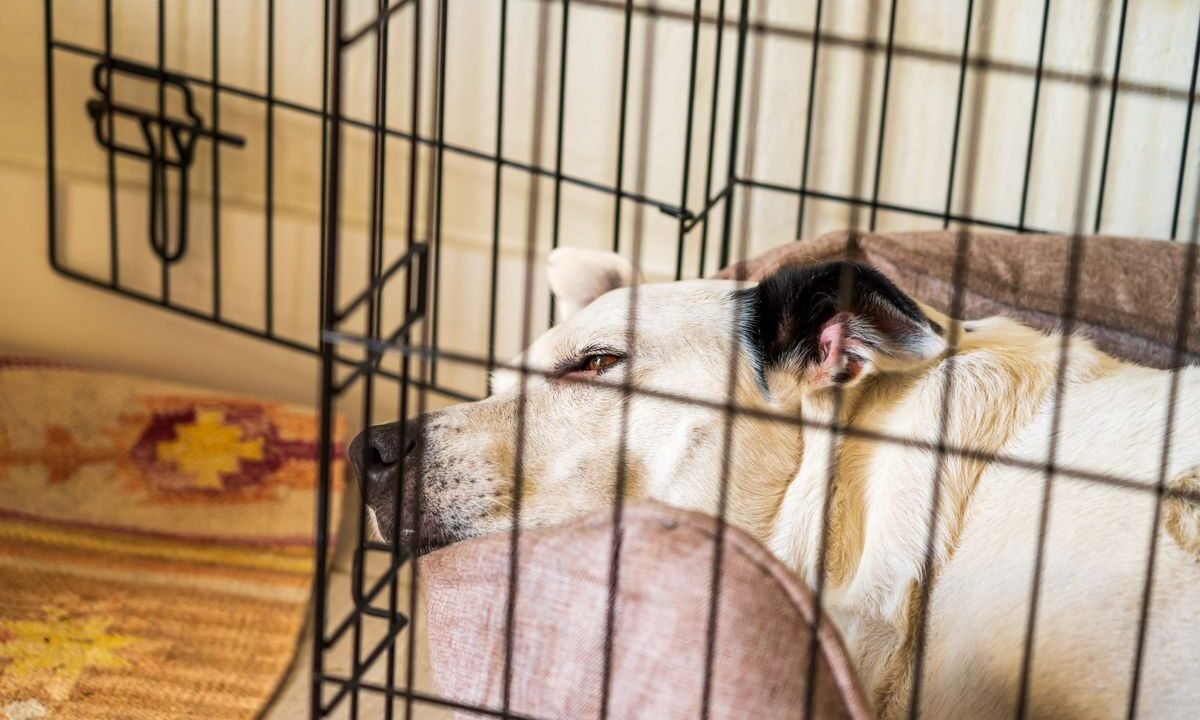
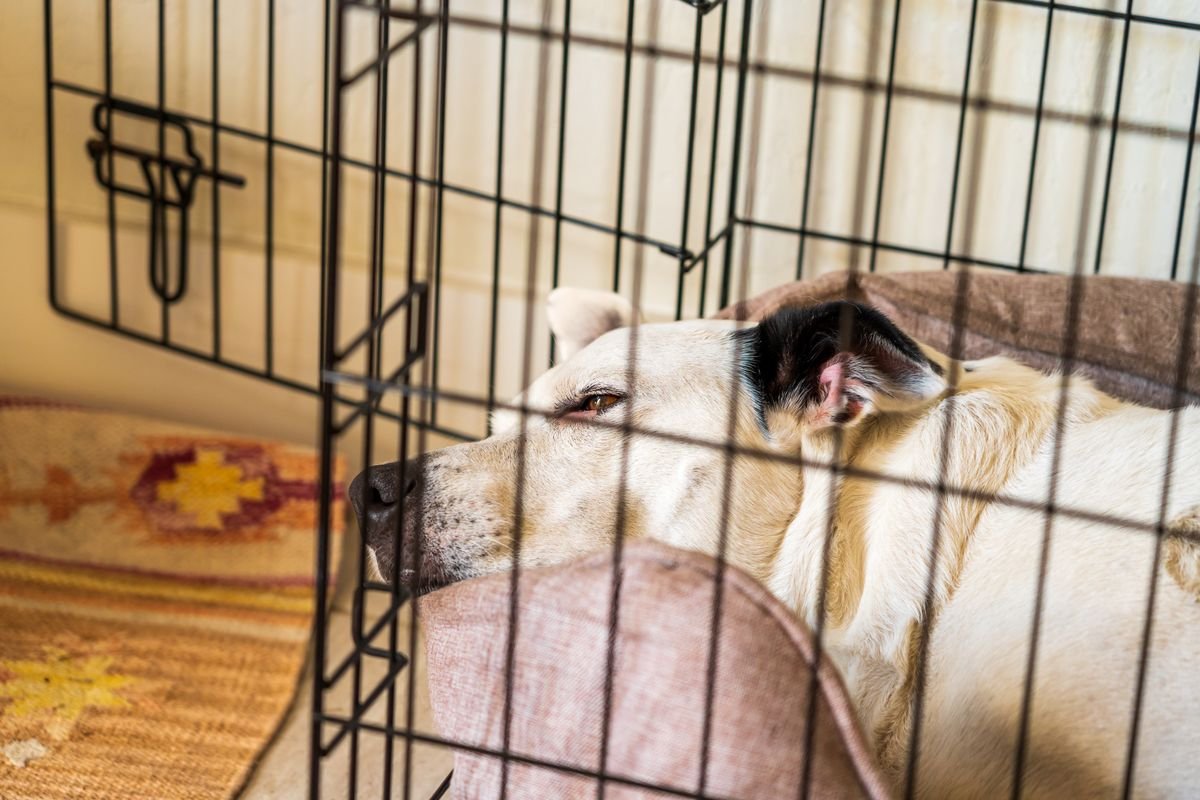
Vaccines needed before dog boarding are not identical at every kennel, daycare or hotel. One facility may require rabies, a current core combination vaccine and Bordetella, while another may also ask for canine influenza or additional documentation. The safest approach is to check the facility’s written policy early, then compare it with your veterinarian’s recommendations.
Start with the facility’s actual rules
Do not assume the requirements you used last year still apply. Ask which vaccines are mandatory, how recent they must be and whether the facility accepts titers or medical exemptions. Get the answer in writing if possible so you are not trying to solve it at check-in.
Rabies is commonly required
Rabies vaccination is legally regulated in many places and boarding businesses often require proof that it is current. The accepted interval depends on local law and the vaccine product, so bring the certificate rather than relying on memory.
Core distemper, adenovirus and parvovirus protection is usually expected
Facilities that house multiple dogs want to reduce the chance of serious infectious disease entering the premises. The AAHA canine vaccination guidance considers distemper, adenovirus and parvovirus part of the core vaccination framework for dogs.
Bordetella is especially relevant in close-contact settings
Bordetella bronchiseptica is associated with contagious respiratory disease, so many kennels and daycares require vaccination before admission. Timing matters because some facilities want the vaccine given a set number of days before boarding rather than on arrival.
Canine influenza requirements vary
Canine influenza vaccination is risk-based rather than universal in many guidelines. Some boarding businesses require it because dogs share indoor air and common spaces. If your facility does, an initial series may take more than one appointment, so check well before the trip.
Leptospirosis may be part of the core plan even if the kennel does not mention it
A boarding facility’s checklist is not a complete preventive-care plan. AAHA currently includes leptospirosis among core vaccines in North America, while recommendations can vary regionally. Ask your veterinarian what your dog needs independent of the kennel’s minimum admission rules.
Puppies need extra planning
A puppy may not have completed the full vaccination series yet. Some facilities will not accept puppies until a certain age or vaccine milestone. Our puppy vaccination schedule guide explains why the series extends over several appointments.
Bring records, not just a verbal history
Most facilities want dates and vaccine names from a veterinary record or certificate. Save a digital copy on your phone and keep the original available. If another clinic gave the vaccine, request the record before travel week.
Do not vaccinate at the last possible minute
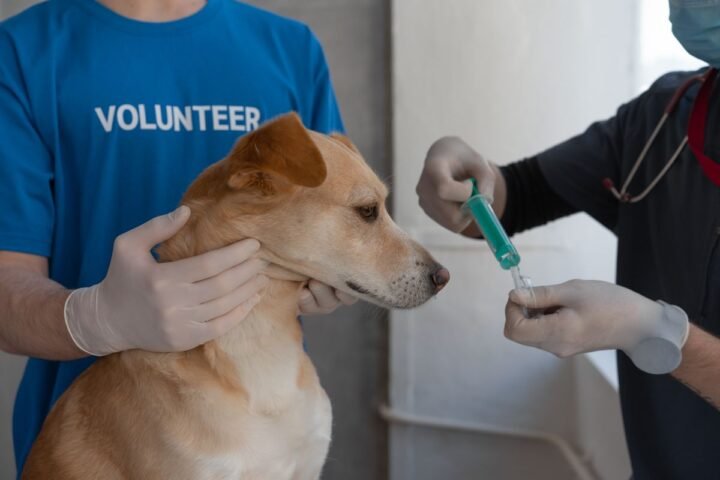
Some vaccines need an initial series or time to produce an immune response. A kennel may also have its own waiting period after vaccination. Ask the facility and your veterinarian how far in advance to complete anything outstanding.
Boarding requirements are minimums, not a personalized plan
Our dog vaccination schedule guide explains core and lifestyle-based choices. The boarding checklist tells you what a business requires for entry; your veterinarian decides what is medically appropriate for your dog.
Check the boarding facility itself too
Vaccination is only one part of boarding safety. Cleanliness, ventilation, supervision, emergency procedures and how staff separate sick dogs also matter. Our boarding facility and pet sitter checklist covers the practical questions worth asking before you book.

0 comments