
How Often Should You Rotate Cat Toys? A Practical Schedule for Keeping Play Fresh
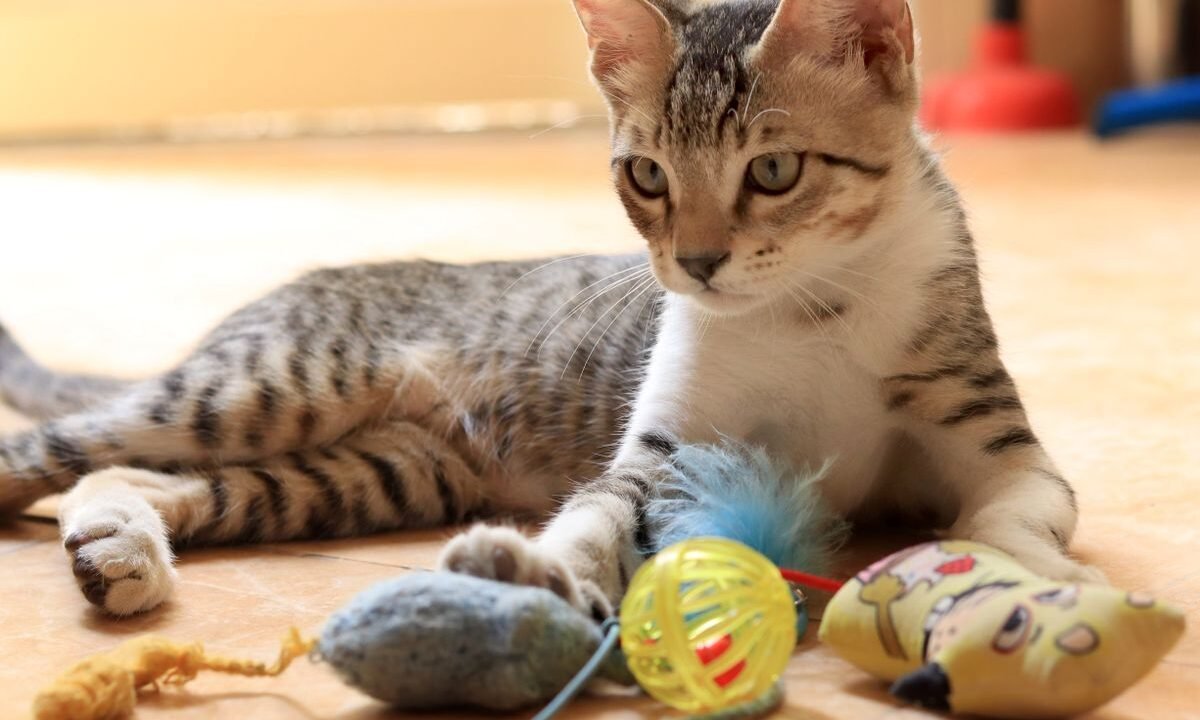
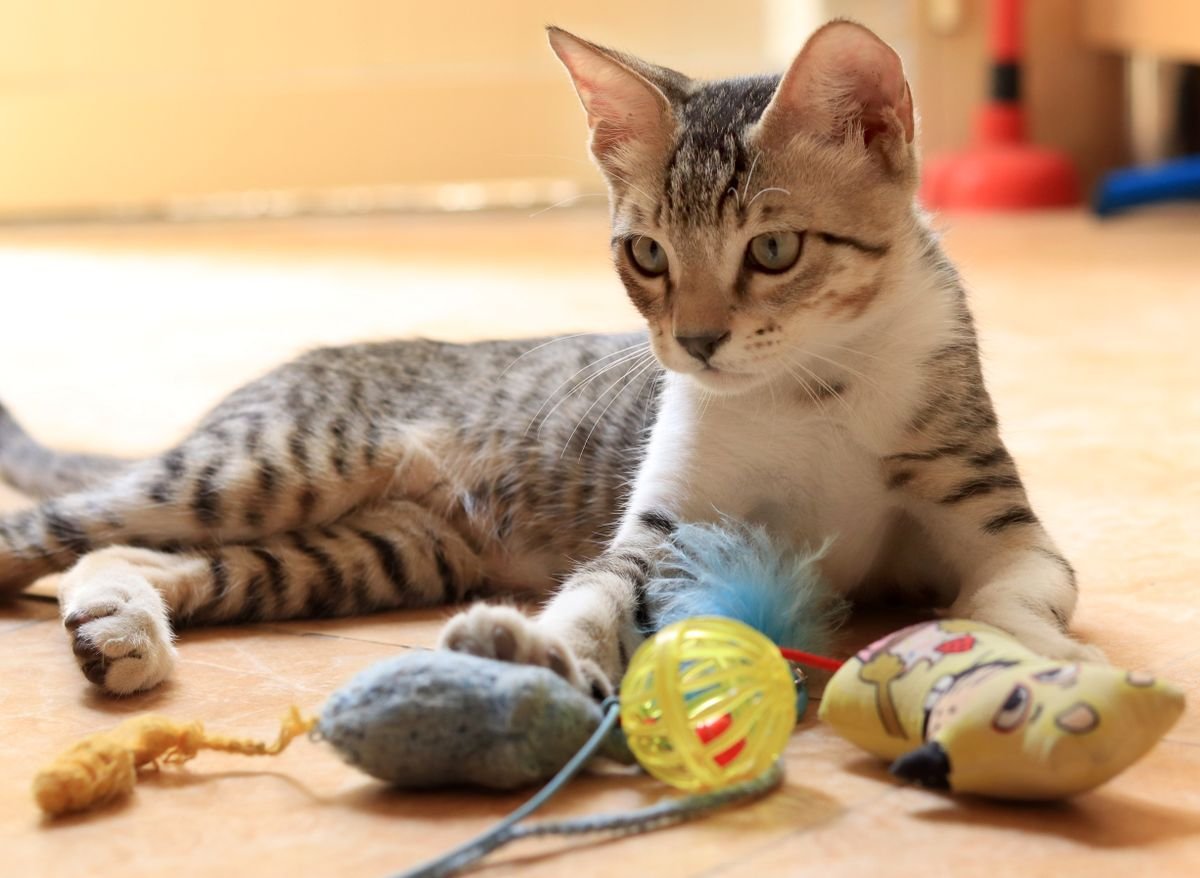
How often should you rotate cat toys? There is no medical rule that says every toy must disappear on a fixed day. A practical starting point is to keep a few safe favorites available, then swap part of the collection every few days to a week. The better signal is your cat’s response: if a toy has become invisible to them, a break may help more than leaving it on the floor indefinitely.
Rotation works because novelty changes the context
Cats notice movement, location, scent and small environmental changes. A toy that has been stored for several days can feel different when it returns in another room or is used in a new game. Cats Protection recommends rotating toys regularly as part of keeping play interesting in its kitten and play guidance.
Do not remove every favorite at once
If your cat carries one mouse to bed every night or regularly uses a particular ball, there is no reason to hide it simply because the calendar says so. Rotation is meant to reduce sameness, not remove objects the cat is actively using.
Try a three-group toy system
One simple method is to divide safe toys into three small groups. Leave one group out, store two, then swap a few items after several days. This prevents the floor from becoming cluttered and makes it easier to notice which toys the cat truly prefers.
Rotate categories, not just individual toys
If every available toy is a ball, changing the color of the ball may not add much. Mix the types: one chase toy, one sturdy independent toy, a box or tunnel, a puzzle feeder and a supervised wand session. Our cat-toy selection guide explains how different toy types support different play behaviors.
Change the location as well as the toy
Place a familiar toy beside a cardboard box, on a safe stair landing or near a tunnel rather than returning it to the same patch of floor. Indoor play becomes more interesting when the environment changes around the object.
Interactive toys can rotate faster than comfort toys
A wand attachment or puzzle may lose novelty after repeated sessions, so it can benefit from shorter rotations. A soft toy the cat sleeps beside serves a different purpose and may stay available. Treating every object as if it has the same job makes rotation less useful.
Use storage as a safety check
Each time a toy goes back into the rotation, inspect it before returning it. Look for loose string, cracked plastic, torn seams, stretched elastic or exposed stuffing. Rotation gives you a natural point to catch damage before the cat finds it first.
Wash toys only when the material allows it
Some fabric toys can be cleaned, while cardboard, catnip-filled toys and electronic items need different care. Follow the product instructions. Strong fragrances can also make a familiar toy smell strange to a cat, so avoid heavily scented cleaners on play items.
If a toy stays ignored after several rotations, retire it
Not every cat likes every toy. If an item repeatedly returns and receives no interest, donate an unused washable item where appropriate or remove it from the collection. Your cat’s actual preferences are more useful than a long inventory.
Increase interaction before buying more toys
Sometimes a “boring” toy needs a person, not replacement. A mouse dragged around a corner can be more engaging than ten static toys. The Feline Veterinary Medical Association emphasizes opportunities for play and predatory behavior in its environmental-needs guidance.
Keep supervised and unsupervised toys separate
Wand toys and anything with long string should go into a drawer or cupboard after play, while sturdy balls or other proven independent toys can stay available. Our interactive cat toy guide goes deeper into choosing toys that keep indoor cats engaged.
Let interest set the rhythm
For many homes, changing a few toys once or twice a week is enough. A highly playful cat may enjoy faster changes; another cat may happily use the same favorite for months. The schedule should support the cat’s behavior, not turn enrichment into another household chore.
0 comments