
Pet Grooming at Home: Brushing, Bathing, Nails and When to Stop
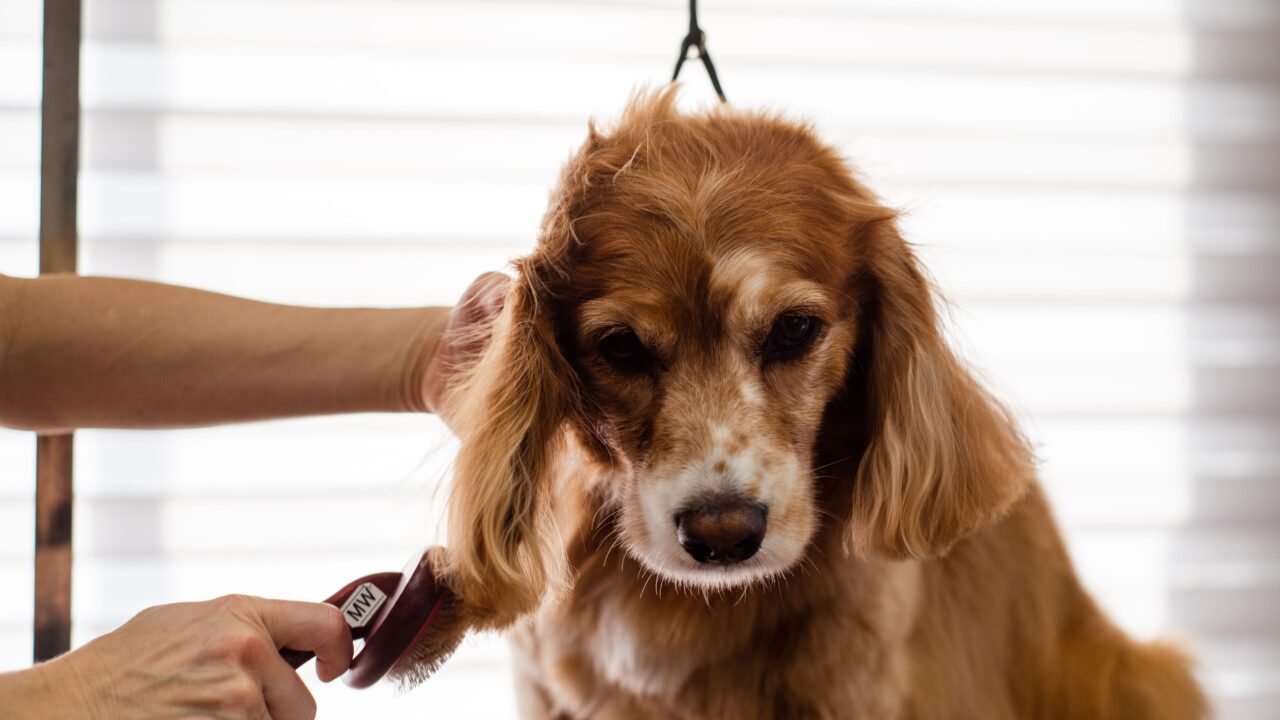
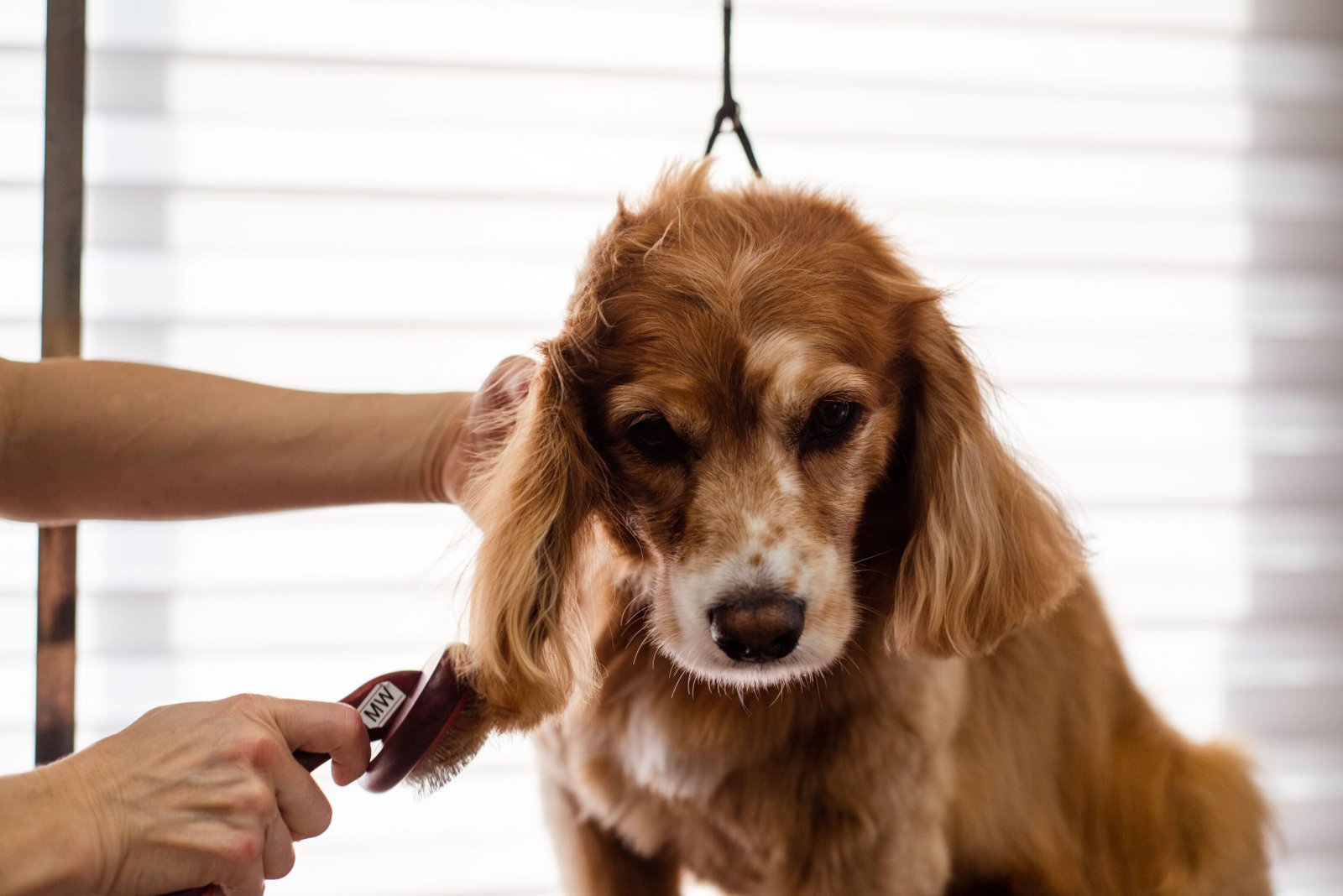
Pet grooming at home can keep coats cleaner, reduce tangles and help you notice changes in skin, paws, ears and nails. However, grooming should never become a wrestling match or a substitute for veterinary care when there is pain, infection or a serious mat.
Pet grooming at home starts with calm handling
Choose a quiet, non-slip area and keep the first sessions short. If your pet becomes increasingly frightened or defensive, stop and change the approach rather than forcing completion.
Brush for the coat you actually have
Short smooth coats, dense double coats and long silky coats need different tools and schedules. The ASPCA’s at-home grooming guidance explains that brushing frequency depends heavily on coat type.
Work through small tangles gently
Hold hair close to the skin to reduce pulling and work from the end of a tangle toward the body. If a mat is tight against the skin, do not blindly push scissors underneath it; skin can be pulled into the mat.
Severe mats may need professional clipping
Dense matting can hide sores and make the skin very easy to cut. A professional groomer or veterinarian is the safer choice when mats are extensive, painful or close to delicate areas.
Use lukewarm water for bathing
Test water temperature before wetting your pet and use a secure non-slip surface. Keep water and shampoo away from eyes and ears.
Use products made for the species
Human shampoo is not automatically appropriate for pets. Use a product intended for the animal and follow veterinary advice if the pet has allergies, infection or a medicated-shampoo plan.
Rinse thoroughly
Leftover shampoo can irritate skin. Rinse until the coat no longer feels slippery, then dry the pet safely without overheating.
Do not assume every cat needs routine baths
Healthy cats often handle much of their own coat care, though brushing can still help. If a cat suddenly stops grooming or becomes greasy, matted or unkempt, consider pain or illness rather than only adding more baths.
Trim nails in small amounts
Learn where the quick is and remove only a small tip if you are inexperienced. Good lighting matters, especially with dark nails where the quick is hard to see.
Prepare for a nicked quick
ASPCA guidance recommends having styptic powder or cornstarch available for a minor nail bleed. If bleeding does not stop promptly, contact your veterinarian.
Check paws while you groom
Look between toes and pads for cuts, swelling, foreign objects, cracked pads or irritation. Grooming is useful partly because it creates a regular opportunity to notice changes early.
Be cautious around ears
Do not push cotton swabs deep into the ear canal. Strong odor, discharge, redness, repeated head shaking or pain can indicate an ear problem that needs veterinary assessment.
Do not shave a coat without a reason
ASPCA guidance advises against routinely shaving pets. Coat function varies by breed and species, so major clipping decisions should account for the animal’s skin and coat type.
Use rewards throughout pet grooming at home
Small treats, breaks and predictable handling can make future sessions easier. You know your pet best; finishing one paw calmly can be more useful than forcing all four and creating a long-term fear of clippers.
Stop if grooming causes pain or panic
Yelping, snapping, frantic escape attempts or sudden sensitivity can mean fear or pain. Stop and investigate the reason rather than adding more restraint.
Grooming does not replace skin or dental care
Hair loss, sores, lumps, persistent itching, mouth pain or strong odor deserve appropriate medical assessment. A clean-looking coat does not rule out disease.
Cats need species-appropriate technique
For feline-specific brushing, mats and claw care, our cat grooming techniques guide goes deeper. If bathing is actually necessary, see our cat bathing guide for ways to reduce stress.
Stop before grooming turns into a struggle
Pet grooming at home works best when it is calm, gradual and matched to the animal’s coat and tolerance. Brush regularly, bathe only as needed, trim nails cautiously and use a professional groomer or veterinarian when the task becomes painful, risky or medically complicated.


0 comments