
Guinea Pig Nutrition: Hay, Vitamin C, Pellets and Vegetables
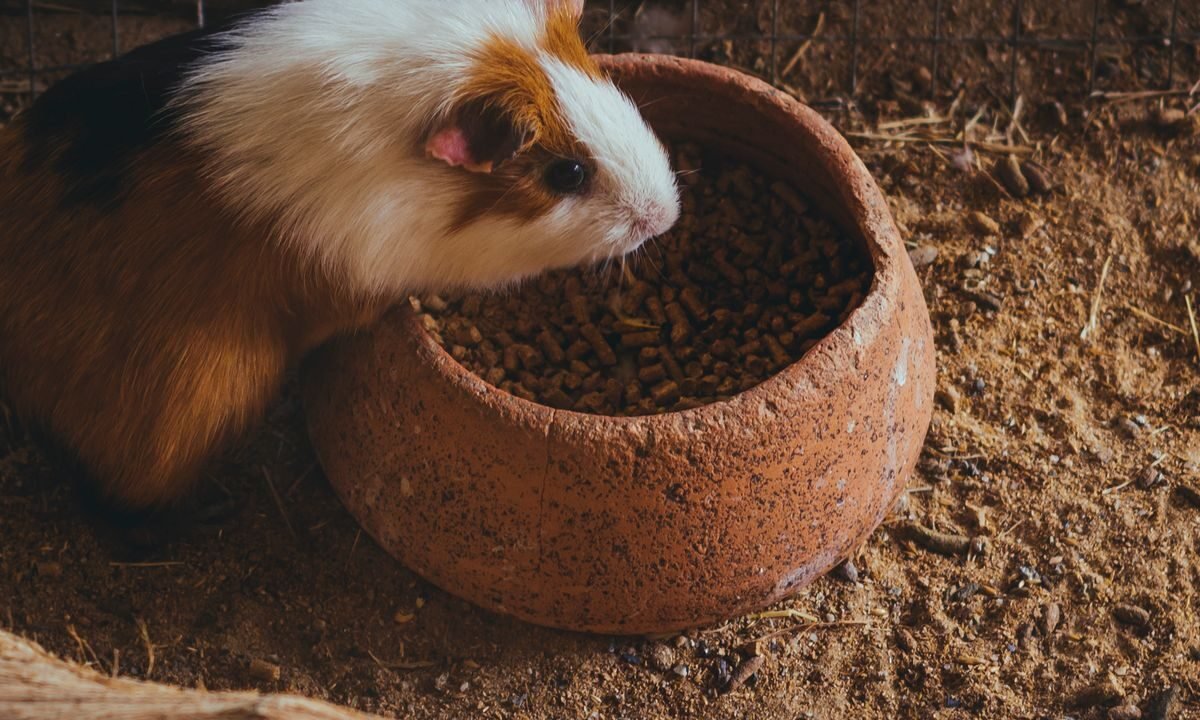
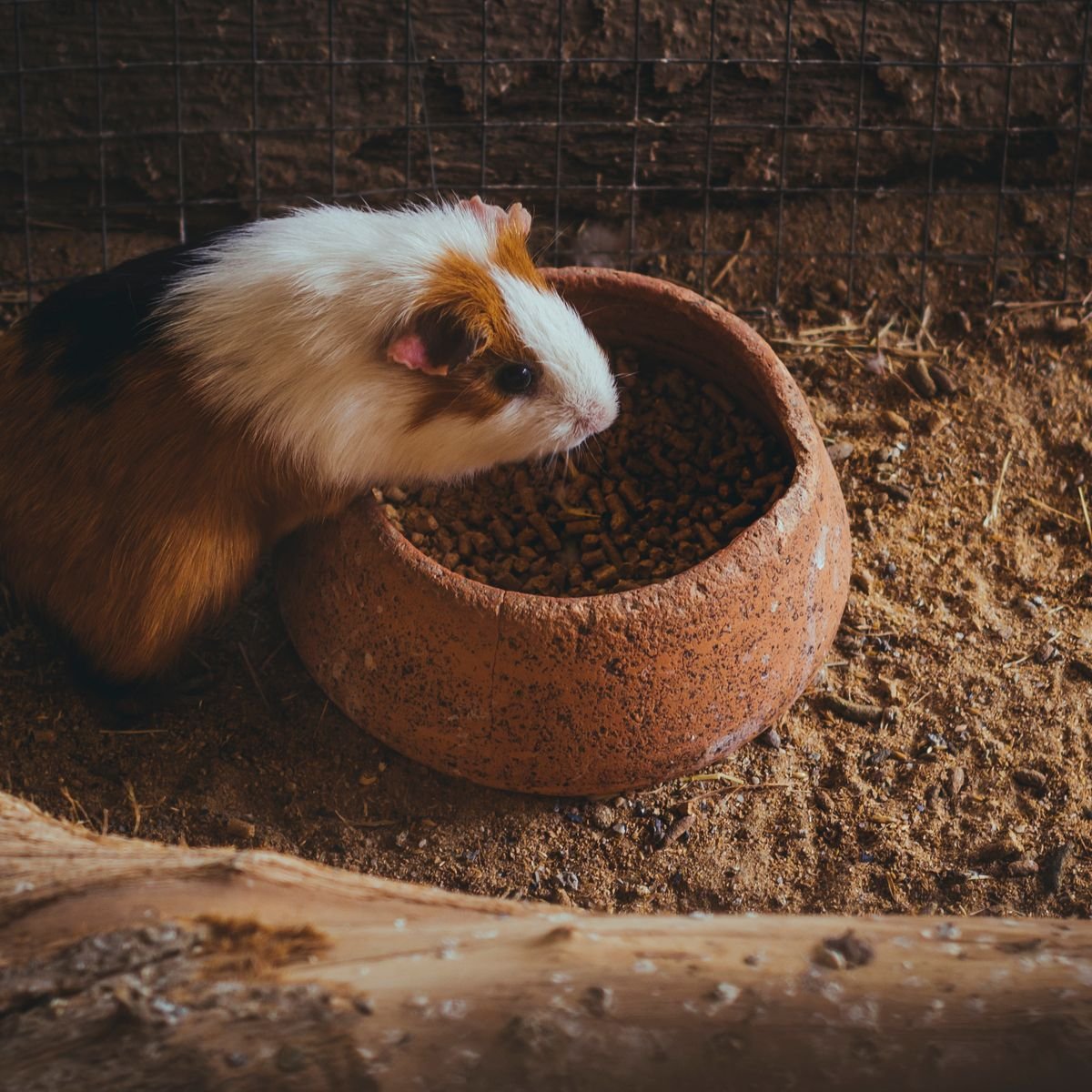
Guinea pig nutrition is built around two needs owners cannot ignore: very high fiber intake and a reliable dietary source of vitamin C. Treats, colorful mixes and oversized bowls of pellets should not replace the foods that keep the teeth and digestive system working normally.
Hay should make up most of the diet
The PDSA guinea pig diet guide recommends constant access to hay and grass because fiber helps keep the digestive system moving and wears down continuously growing teeth.
Choose clean feeding hay
Fresh hay should smell clean and dry, not musty. Timothy and other suitable grass hays are commonly used for adult guinea pigs. Remove damp, dirty or moldy hay rather than topping fresh hay onto spoiled material.
Fresh grass can be useful
Guinea pigs can eat suitable fresh grass when it is free from chemicals and contamination. Introduce lush grass gradually if they are not used to it. Do not feed lawn-mower clippings because cut grass can heat and ferment quickly.
Vitamin C must come from the diet
Guinea pigs cannot produce vitamin C themselves. Suitable vegetables and good-quality guinea pig pellets can supply it, but vitamin C degrades over time in stored food, so freshness matters.
Use pellets as a measured part of the diet
PDSA recommends only a small daily portion of guinea-pig pellets rather than free-feeding a full bowl. Choose pellets formulated specifically for guinea pigs and avoid mixes that encourage selective eating of seeds or colorful pieces.
Offer a varied selection of vegetables
Leafy greens and vegetables can provide moisture, variety and vitamin C. Introduce new foods gradually and rotate suitable options rather than feeding a large amount of one item every day.
Use high-vitamin-C foods regularly
Bell peppers are a practical example of a vegetable that can contribute vitamin C without being very sugary. Other greens may also help, but portion size and variety matter more than relying on one food as a supplement.
Fruit should be occasional
Fruit is generally higher in sugar than leafy vegetables. Small portions can be offered as an occasional treat, but fruit should not crowd out hay, vegetables or balanced pellets.
Fresh water must be available all day
Whether you use a bottle or a heavy bowl, clean it daily and make sure every guinea pig can reach it. Check bottle nozzles for blockages and leaks.
Do not rely on vitamin drops in water alone
Vitamin C can break down in water and may alter taste enough that some guinea pigs drink less. If supplementation is needed, ask a veterinarian how to provide a reliable dose rather than guessing with the water bottle.
Avoid sudden diet changes
A rapid switch in pellets, vegetables or hay can upset digestion or cause a guinea pig to reduce food intake. Transition gradually whenever possible and watch droppings, appetite and behavior.
Keep sugary and fatty foods out of the regular diet
Bread, biscuits, dairy products, sweets, nuts and heavily processed human snacks do not belong in a guinea pig’s regular diet. Guinea pigs are herbivores adapted to fibrous plant foods.
Watch for reduced eating immediately
A guinea pig that suddenly stops eating or produces fewer droppings may be developing a serious digestive or dental problem. Do not wait several days to see whether appetite returns on its own.
Nutrition is only one part of care
Housing, companionship, safe bedding, exercise and routine health checks matter alongside diet. Our guinea pig care guide brings those daily needs together in one place.
Store pellets carefully
Buy amounts you can use while the food is still fresh, keep the bag sealed in a cool dry place and check the use-by date. Because vitamin C degrades over time, very old pellets are a poor nutritional backup.
Change one food at a time
If you are introducing a new vegetable or pellet, make one change at a time and watch appetite and droppings. This makes it easier to identify which food caused a problem if digestion changes.
Hay and vitamin C do the heavy lifting
Build a guinea pig diet around unlimited hay, a reliable source of vitamin C, measured guinea-pig pellets, varied vegetables and fresh water. Keep treats small and respond quickly if normal eating or droppings change. Consistency matters more than unnecessary variety in the daily diet.
0 comments