
Exercise Ideas for Indoor Cats: Play, Climbing and Hunting Games
Indoor cats do not need marathon workouts, but they do need regular chances to move, climb, stalk, chase and problem-solve. Exercise works best when it looks like normal cat behavior instead of a human fitness routine.
Use short hunting-style play sessions
A wand toy can imitate prey by moving away, pausing, hiding and appearing again. Let the cat catch the toy periodically. Several short sessions across the day often work better than one long session.
Make the cat climb for useful reasons
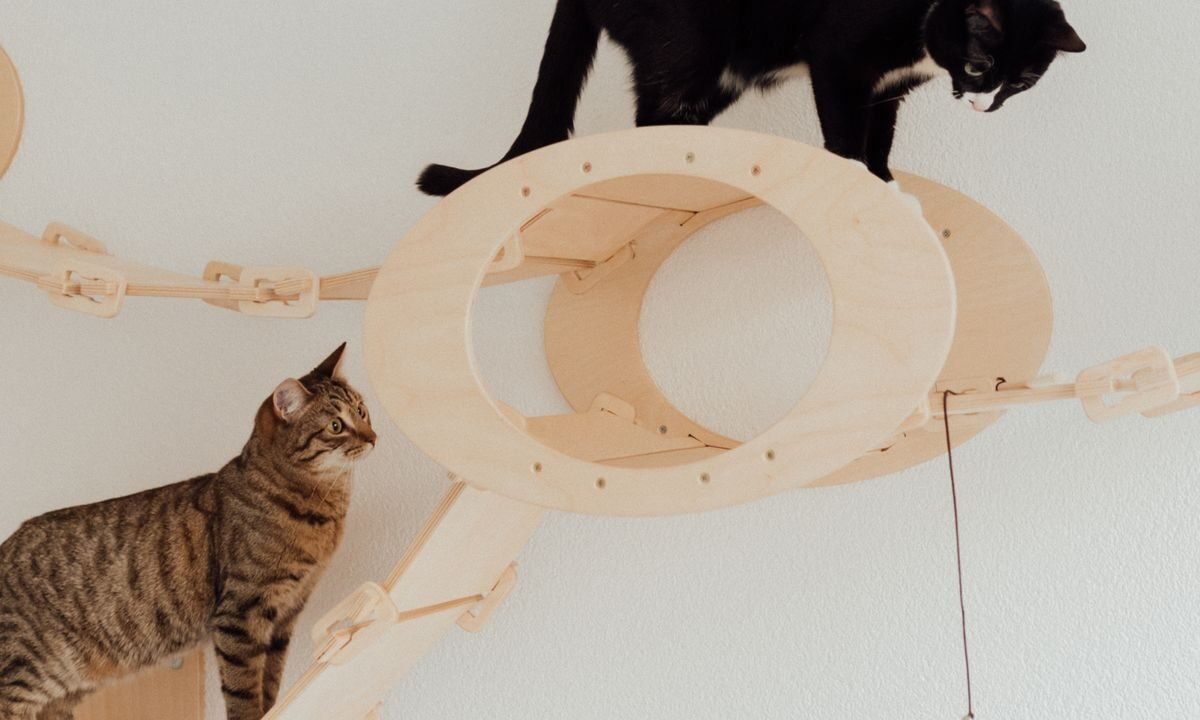
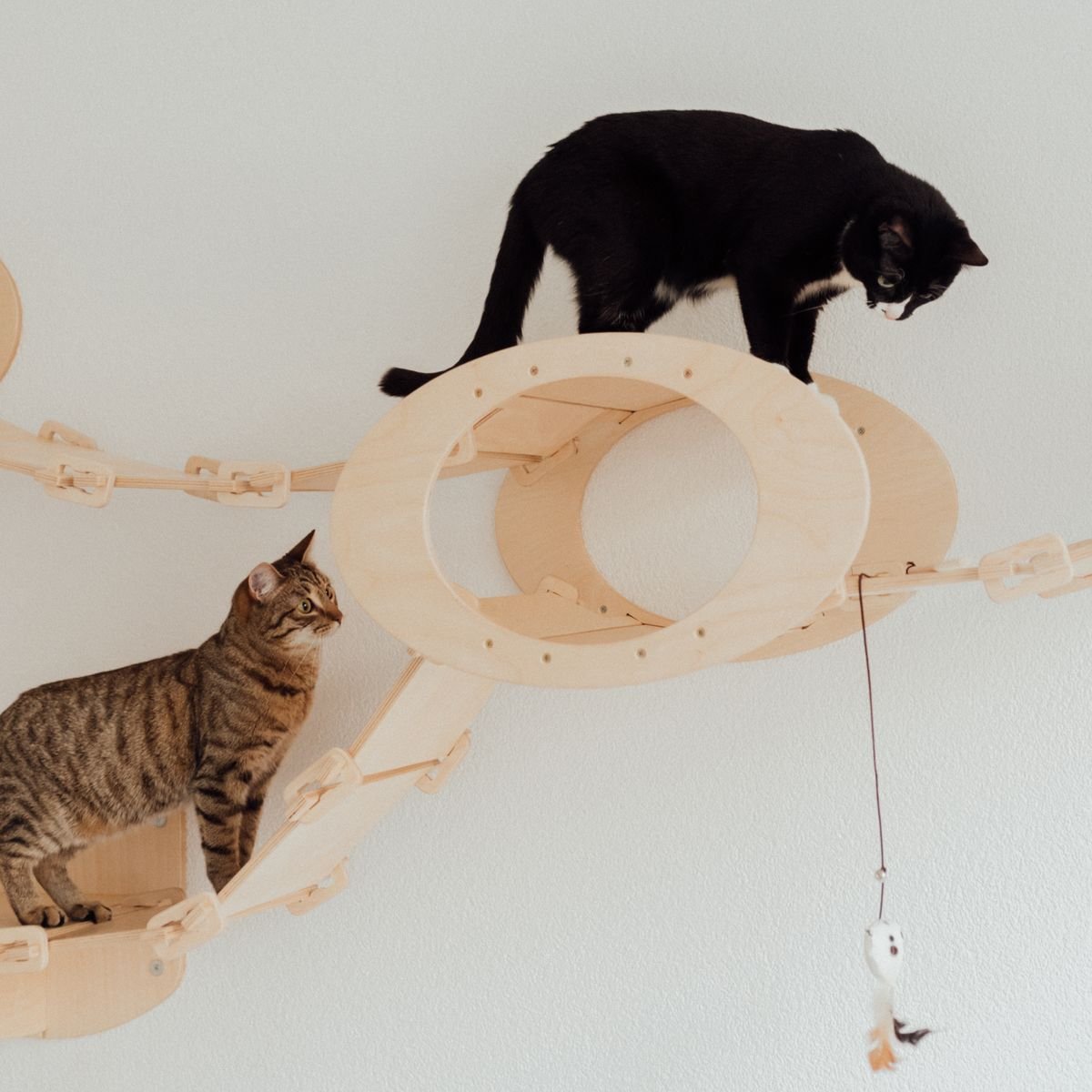
Cat trees, shelves and stable furniture can turn vertical movement into part of daily life. Place a favored resting spot or safe observation area at different heights so climbing has a purpose.
Use food puzzles for movement and thinking
Rolling feeders, puzzle boards and simple homemade foraging games can make a cat work for part of the normal food ration. Start easy enough that the cat succeeds, then increase difficulty gradually.
Scatter part of a meal
For cats eating dry food, a few pieces can be placed in safe locations around one room so the cat walks and searches. Keep track of the total amount so the game does not accidentally add calories.
Try hallway chases
Toss a safe lightweight toy down a hallway and let the cat chase it. Some cats retrieve while others simply sprint after it and walk away. Either can provide a useful burst of activity.
Create a box or tunnel circuit
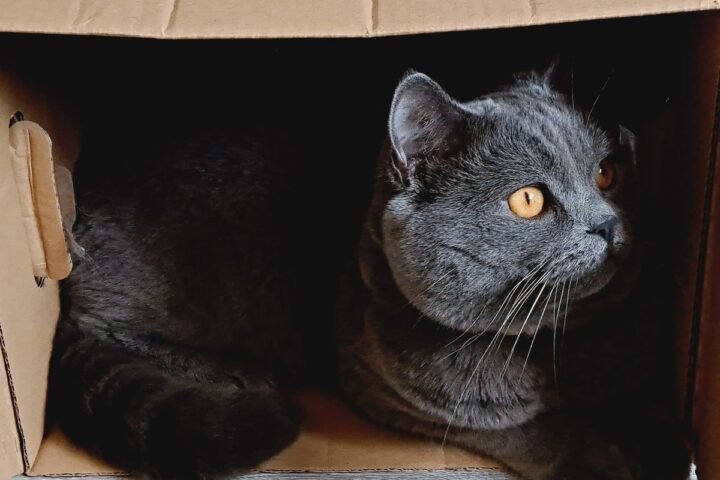
Cardboard boxes, tunnels and safe furniture gaps can turn play into stalking and exploration. Change the layout occasionally so the environment does not become completely predictable.
Rotate toys to preserve interest
The Cornell Feline Health Center’s toy guidance notes that toys can encourage exercise, cognitive enrichment and natural stalking and pouncing behavior, and recommends rotating toys to reduce boredom.
Use scratching as exercise too
A sturdy vertical scratching post allows a full-body stretch, while some cats prefer horizontal cardboard scratchers. Scratching is not a substitute for active play, but it is part of normal movement and muscle use.
Match activity to age and health
Kittens may sprint and jump repeatedly, while older cats may prefer slower floor-level games. If your cat hesitates to jump, stops using stairs or moves stiffly, reduce impact and discuss possible pain with your veterinarian.
Do not use food to motivate every game
Treats are useful, but play itself can be rewarding. Excess food rewards can cancel out the calorie benefit of exercise, especially in cats that already need weight management.
Make the home support movement
Our cat-friendly home guide explains how vertical space, hiding areas and separated resources can make the environment more interesting and easier to navigate.
Watch for overexertion
Stop if your cat begins open-mouth breathing, appears weak, cannot recover normally or suddenly refuses to move. Cats generally play in bursts, and forcing prolonged activity is unnecessary.
Keep a simple weekly pattern
Instead of chasing a daily minute target, aim for variety across the week: wand play, climbing, food puzzles, chasing and exploration. The best routine is one your cat repeatedly chooses to join.
Use the cat’s normal schedule
Many cats are naturally more active around dawn and evening. Offering play during the times your cat already tends to zoom, stalk or seek attention can make exercise easier than trying to create activity during a sleepy part of the day.
Build confidence before increasing height
For a cat new to climbing furniture, start with lower stable platforms and easy routes. Add height only when the cat uses the setup confidently. Older or less-mobile cats may benefit from intermediate steps rather than large jumps.
Track body condition as well as activity
Exercise helps, but weight management also depends on calorie intake. If your cat is overweight or losing weight unexpectedly, work with your veterinarian on a feeding and health plan rather than relying on play alone.
Use daily routines to create extra movement
Small changes can add activity without formal play. Place water, resting spots and scratching areas in different safe parts of the home so the cat naturally walks, climbs and changes location throughout the day.
Build movement into the cat’s normal day
Indoor-cat exercise should feel like hunting, climbing and play. Build movement into the environment, use short sessions, match intensity to the cat and keep activities varied enough to stay interesting.
0 comments