
How to Introduce a New Dog to Your Existing Dog Safely
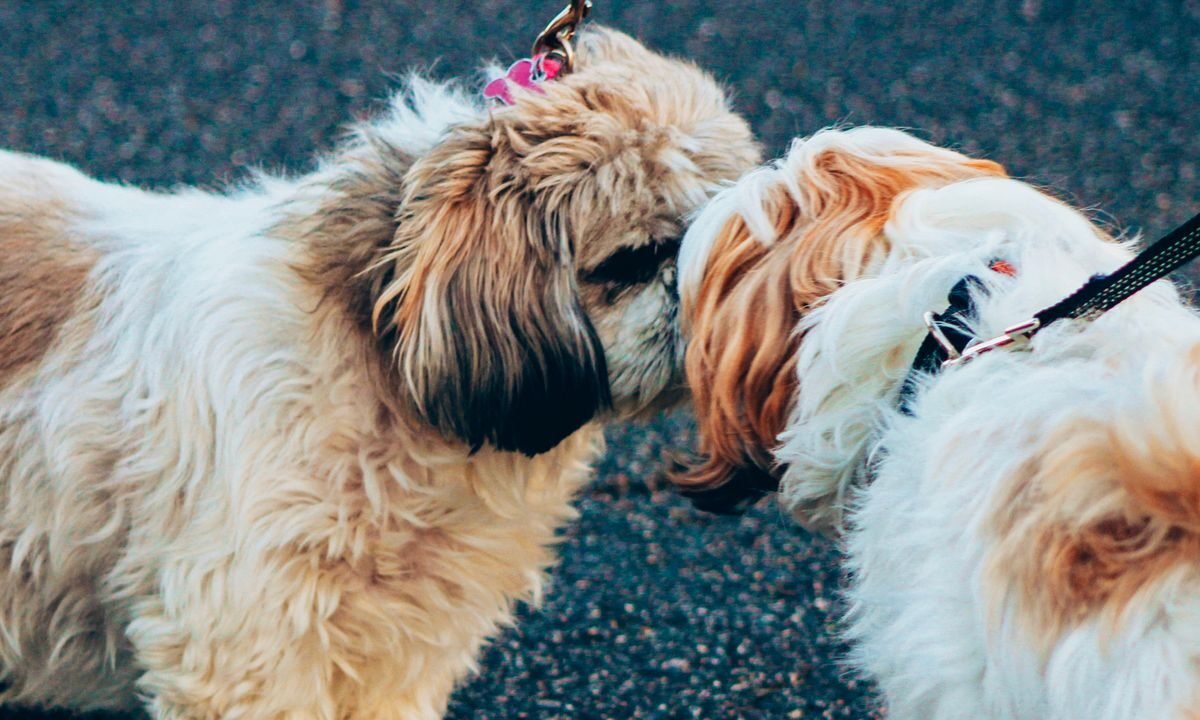
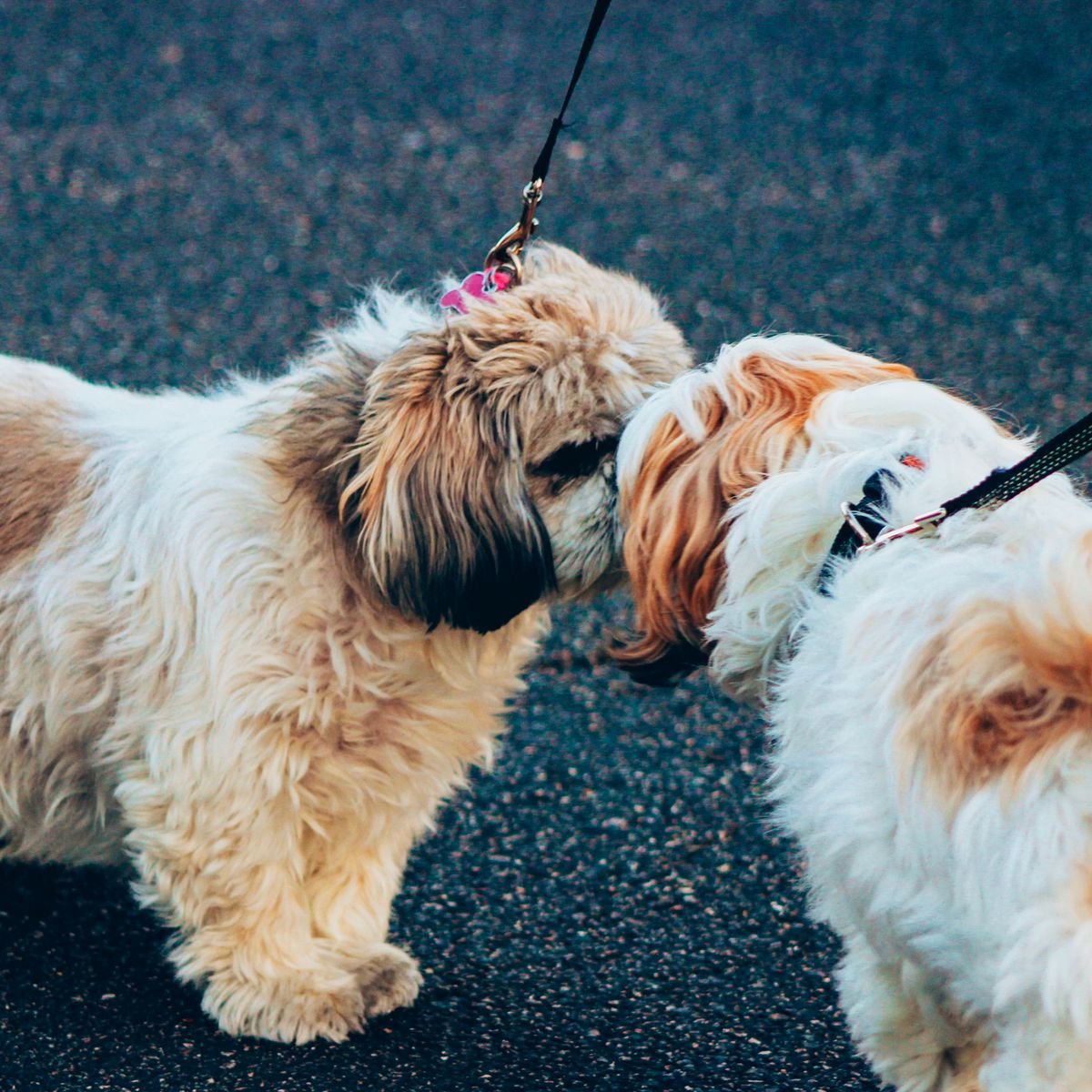
Bringing home a second dog does not mean the dogs should immediately share toys, beds and living space. A slower introduction gives both animals time to gather information without being trapped in a high-pressure greeting.
Choose compatibility before the first meeting
Energy level, play style, age, size and tolerance of other dogs all matter. A dog that likes brief polite greetings may not enjoy living with an intense adolescent that wants constant wrestling.
Prepare separate safe areas first
Set up separate beds, water, feeding areas and retreat spaces before the new dog arrives. This prevents immediate competition and gives each dog a place to rest without being followed.
Start on neutral ground
The RSPCA’s dog introduction guidance recommends beginning with supervised on-leash contact on neutral territory rather than forcing the first greeting inside the resident dog’s home.
Use parallel walking
Have one adult handle each dog. Start far enough apart that both dogs can walk, sniff and take treats calmly. Gradually reduce distance if body language stays loose and relaxed.
Do not force face-to-face contact
Dogs do not need a long nose-to-nose greeting to become friends. Curved approaches, sniffing the ground and moving away are normal ways to reduce social pressure.
Watch the whole body
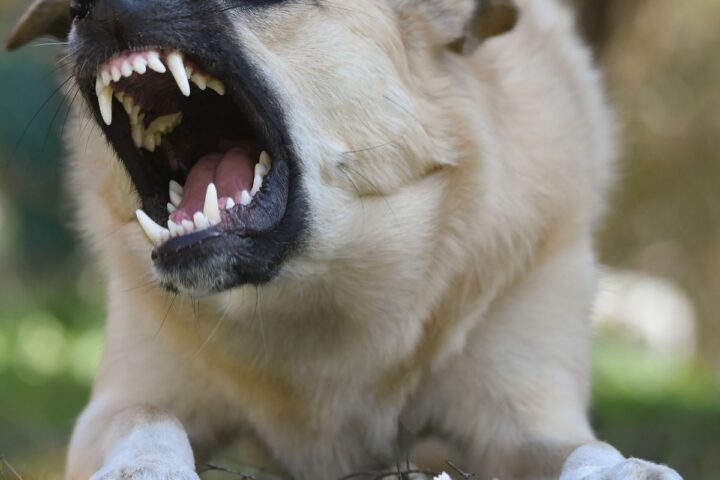
Loose movement, soft facial expression and the ability to disengage are encouraging. Stiff posture, freezing, hard staring, repeated mounting, pinning, growling with escalation or one dog constantly trying to escape means the interaction needs more distance or a break.
Remove high-value items at first
RSPCA recommends reducing conflict risk by putting away food bowls, bones, favorite toys and other valuable resources during early shared time. Feed separately until you are confident both dogs are comfortable.
Keep home sessions short and supervised
After a successful neutral meeting, move into a low-conflict area and keep the first sessions brief. Separate the dogs for rest before either becomes overtired or overexcited.
Do not punish warning signals
A growl communicates discomfort. Punishing it can remove the warning without changing the underlying feeling. Increase space, remove the trigger and reassess what made the interaction difficult.
Resource guarding needs careful management
If either dog guards food, toys, people or resting spaces, our resource guarding guide explains safer management and reward-based training principles.
Do not leave them alone together too soon
RSPCA recommends unsupervised contact only when you are confident the dogs genuinely enjoy each other’s company. That may take days or longer depending on the individuals.
Puppies may need protection from their own enthusiasm
A puppy can repeatedly bother an adult dog that wants to rest. Use gates, pens and planned breaks. Our puppy socialization guide explains why exposure should be positive rather than forced.
Know when to get professional help
If either dog repeatedly lunges, fights, guards access to people, cannot relax around the other dog or causes injury, separate them safely and seek help from a veterinarian or qualified behavior professional.
Use gates and barriers to lower pressure
Baby gates, pens and separate rooms let dogs see and smell each other without constant direct access. This makes it easier to provide breaks and prevents one dog from following the other everywhere.
Give each dog individual attention
Keep separate walks, training sessions and quiet time in the routine. A new dog should not immediately replace the resident dog’s normal access to rest, people or favorite activities.
Manage excitement around doorways
Narrow spaces can create crowding and conflict. Call dogs through one at a time when needed and avoid letting both rush through doors, gates or hallways during the first days together.
Expect the relationship to change over time
Dogs that seem cautious on day one may relax later, while highly excited early play can sometimes become tiring. Continue supervising and adjusting management as you learn how the pair behaves in ordinary daily situations.
Keep the first few days predictable
Use regular meal times, separate rest areas and calm walks so both dogs can learn the new routine without constant social pressure. Predictability makes it easier to notice whether tension is improving or building.
Slow introductions protect both dogs
A successful introduction is not measured by whether the dogs play immediately. Calm coexistence, the ability to disengage and respect for each dog’s space are better early goals. Go slowly and let trust build.
0 comments