
Moving House With Pets: A Safer Transition for Dogs, Cats, Birds and Small Animals
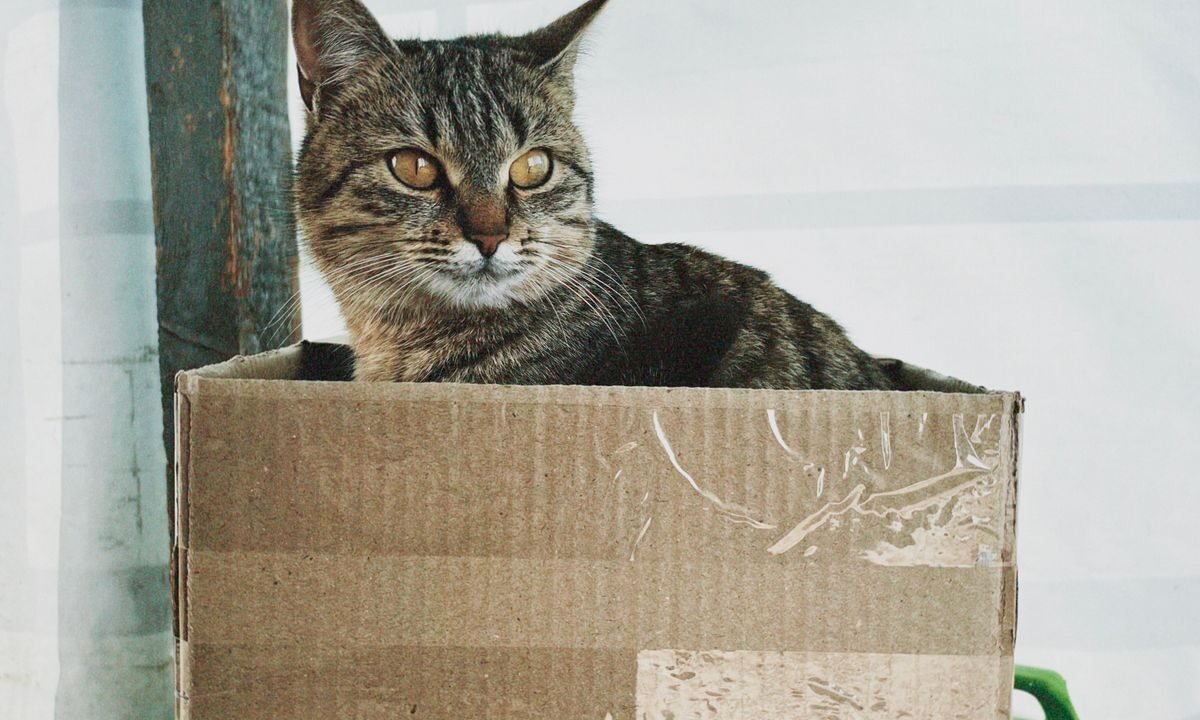
Moving house changes almost everything a pet uses to feel secure: smells, sounds, routines, room layout, outdoor access, and the people moving through the home. Good planning reduces escape risk and gives each animal a predictable way to settle.
Prepare identification before moving day
Update microchip contact information, collars and tags where appropriate, and veterinary records before the move. Keep recent photos of every pet in case an animal escapes during loading or unloading.
Create one safe room on moving day
Choose a quiet closed room away from open exterior doors and movers. Put familiar bedding, food, water, litter or toileting supplies, and the pet’s carrier inside. A clear sign on the door can stop someone opening it accidentally.
Move pets in secure carriers or restraints
Cats, birds, rabbits, hamsters, and other small pets should travel in secure species-appropriate carriers. Dogs should be safely restrained. Do not let an animal ride loose in a vehicle packed with boxes.
Keep familiar smells
Avoid washing every bed and blanket immediately before the move. Familiar scent can make the new environment less strange. For rabbits and small animals, a little clean used nesting material may help.
Cats need special escape prevention
Cats may try to return to their previous territory. The RSPCA advises keeping cats indoors for a settling period after moving so they can establish the new home as their territory.
Start cats with a smaller territory
A quiet room with litter, water, food, hiding places, scratching surfaces, and familiar bedding can be less overwhelming than immediate access to the whole house. Expand access gradually as the cat relaxes.
Dogs benefit from routine and familiar walks
Keep meal and toilet times as predictable as possible. Use a leash in the new neighborhood until your dog knows the area, even if recall is normally reliable.
Birds need stable cage placement
Choose a quiet location away from kitchen fumes, drafts, direct sun, and heavy moving traffic. Keep familiar perches and feeding arrangements when possible rather than changing the entire cage setup at the same time as the move.
Rabbits and rodents need familiar substrate and routine
Set up the new enclosure before the animal arrives. Check water function, hiding spaces, bedding, food, temperature, and security. For hamsters, make sure transport has not created a new escape gap.
Watch appetite and elimination afterward
Stress can change eating, drinking, stool, urine, and sleep. Persistent appetite loss, vomiting, diarrhea, breathing changes, inability to urinate, or marked lethargy deserve veterinary attention rather than being dismissed as moving stress.
Transfer veterinary care early
If you moved far away, register with a new clinic before an emergency. Transfer important records and save the nearest after-hours service in your phone.
Use the emergency bag during the move
Our pet emergency go-bag guide covers records, medication, carriers, food and other supplies that are useful during an unexpected delay.
Pack one pet box that stays with you
Do not send every pet item in the moving truck. Keep food, medication, bowls, litter, bedding, waste bags, cleaning supplies, leashes, carriers, and a few familiar comfort items with you so the first 24 hours in the new home are manageable even if boxes are delayed.
Use a door-control plan during loading and unloading
Most moving-day escapes happen because doors stay open repeatedly. Decide which room will remain closed, who is responsible for checking that pet before doors open, and when the animal will be moved last or first. A written note on the door helps when several people are working.
Do not introduce outdoor access too quickly
Dogs should initially explore the new area on leash. Cats that normally go outdoors need a settling period and secure identification before access resumes. Rabbits and small pets should remain in secure enclosures while you learn the new home’s temperature, noise and escape risks.
Check the new home at pet level
Before releasing pets, look for open vents, damaged screens, exposed wires, toxic plants, gaps behind appliances, unsecured balconies, pest-control products, and doors that do not latch properly. A house that is safe for people may still contain new hazards for animals.
Give pets time to settle before changing routines again
Moving is already a major environmental change. Unless there is a medical reason, avoid changing food, litter type, cage layout, training rules, and sleeping arrangements all at once. Familiar routines help animals build confidence in the new space.
Watch for stress that does not resolve
Some hiding, clinginess, reduced play, or unsettled sleep can occur briefly after a move. If appetite loss, elimination changes, destructive behavior, persistent vocalization, aggression, or withdrawal continues or worsens, ask your veterinarian for help rather than assuming the pet will eventually adjust on their own.
The bottom line
A safer move is built around containment, familiar scent, predictable routine, and gradual access to the new home. The goal is not to make the move exciting for pets; it is to make it boring, secure, and understandable.
0 comments