
Hamster Cheek Pouch Problems: Impaction, Injury and Warning Signs
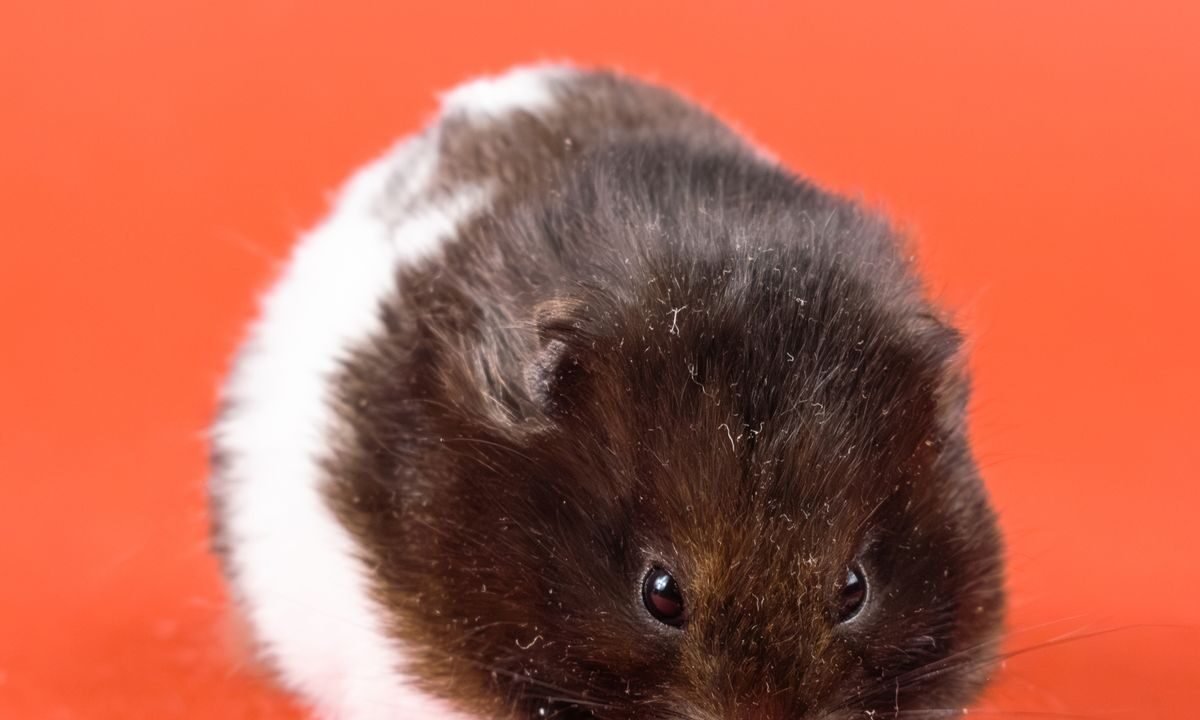
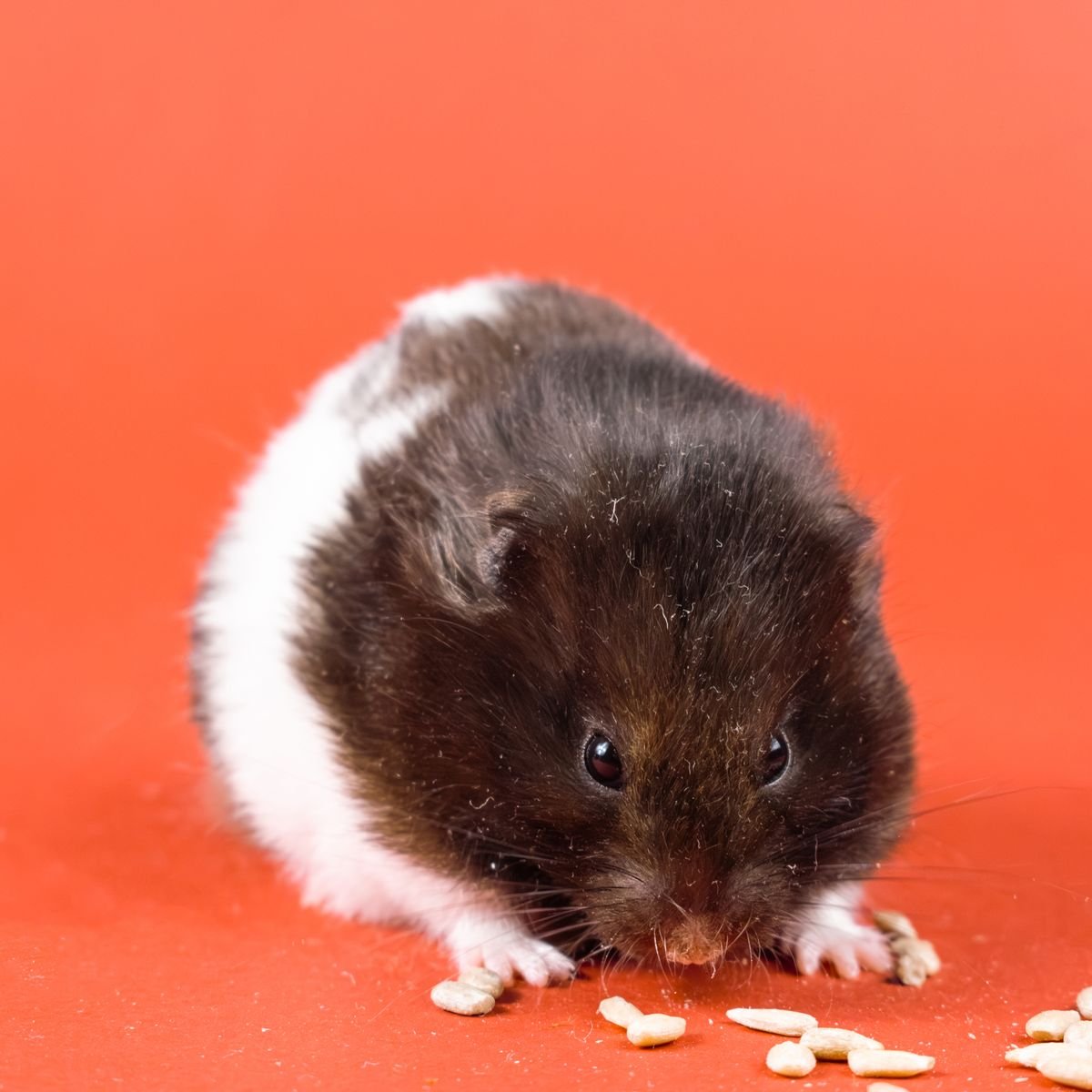
Hamsters naturally store food in large cheek pouches that extend back toward the shoulders. A full pouch can make one or both sides of the face look dramatically swollen, which can be completely normal if the hamster empties it later.
The problem is when a pouch stays enlarged, becomes painful, smells bad, bleeds, or will not empty.
Normal pouching can look extreme
Merck explains that hamster cheek pouches can extend along the sides of the head and neck to the shoulders. A hamster carrying food may therefore look temporarily lopsided or very round in the face.
See Merck’s hamster anatomy guide.
Signs of a cheek pouch problem
- One pouch stays full for hours
- Bad odor
- Drooling
- Reduced eating
- Blood or discharge
- Swelling around the face or neck
- Pawing at the mouth
- Visible tissue protruding from the mouth
Impaction
Sticky food, bedding, sharp seeds, or other material can become trapped in the pouch. The hamster may be unable to empty it normally.
Infection and abscess
Injury inside the pouch can lead to bacterial infection. Merck notes that swollen lymph nodes around the neck can sometimes be associated with cheek-pouch infection.
Pouch eversion
Occasionally the pouch lining can turn outward and protrude from the mouth. This needs veterinary treatment because exposed tissue can dry out, swell, or be damaged.
Do not pull stuck material out
Cheek pouches are delicate. Pulling food, bedding, or tissue can tear the lining. A veterinarian can examine the pouch safely, often with sedation if needed.
Avoid sticky foods
Very sticky foods can adhere inside the pouch. Feed a balanced hamster diet and safe fresh extras rather than sugary or glue-like treats. Our hamster diet guide covers appropriate feeding.
When to seek veterinary care
Arrange prompt care if swelling persists, your hamster stops eating, there is bleeding, discharge, odor, pain, or tissue protruding from the mouth.
What the veterinarian may do
The vet may empty and flush an impacted pouch, treat infection, remove foreign material, or repair damaged tissue. Medication choice matters because some antibiotics are unsafe for hamsters.
Watch how long the pouch stays enlarged
A pouch that fills during foraging and empties later is normal. Concern rises when one side remains enlarged through several activity periods or when the hamster stops using that side normally.
Soft sticky foods can create trouble
Very sticky foods may adhere inside the pouch, while sharp fragments can injure the lining. A balanced dry hamster diet and safe fresh extras are better choices than candy-like treats or foods that form a paste.
Weight loss can be a secondary clue
A hamster with a painful pouch may eat less even if food is still being collected. Regular weighing can reveal a developing problem before the coat or body shape changes visibly.
Check bedding choices
Loose fibrous materials can sometimes become caught in the mouth or pouch. Use bedding intended for small pets and avoid long stringy nesting fibers that may tangle around teeth, feet, or other tissues.
After treatment, watch for recurrence
If a veterinarian empties or treats a cheek pouch, monitor the area over the following days and follow feeding or medication instructions exactly. Recurring swelling may need another examination rather than repeated home manipulation.
Watch both sides of the face during normal activity
A useful comparison is whether both cheeks change shape naturally while the hamster forages and then empties food. Persistent asymmetry, especially when the hamster is not actively carrying food, deserves attention.
Drooling can damage the skin
If a cheek or mouth problem causes saliva to wet the chin and chest, the skin can become irritated. Keep the bedding clean and dry and arrange veterinary care rather than repeatedly wiping or manipulating the mouth.
Dental disease can overlap with pouch problems
Overgrown or damaged teeth may change how a hamster stores and empties food. If pouch swelling occurs with drooling, weight loss, or difficulty chewing, the veterinary exam may need to include the teeth as well as the pouch.
The bottom line
A temporarily full cheek is normal. A pouch that stays enlarged, smells bad, bleeds, or affects eating is not. Do not pull material out at home; cheek-pouch injuries are easy to worsen.



0 comments