
How to Weigh a Pet Bird at Home and Track Healthy Weight Changes
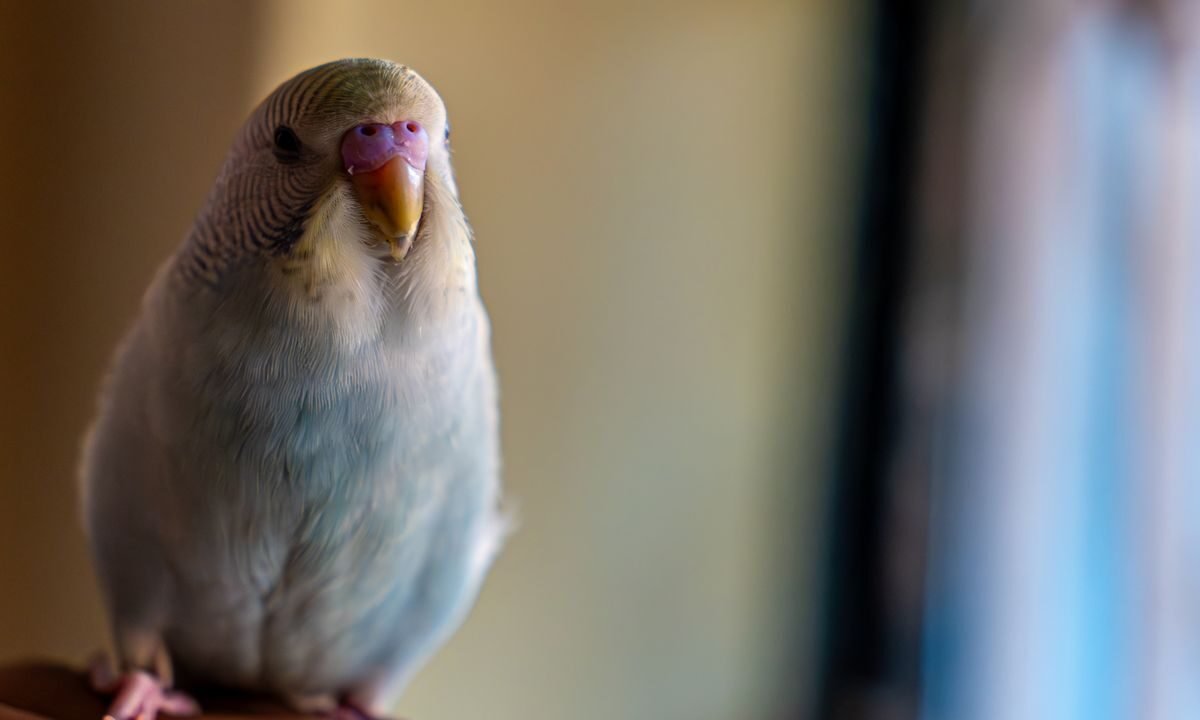
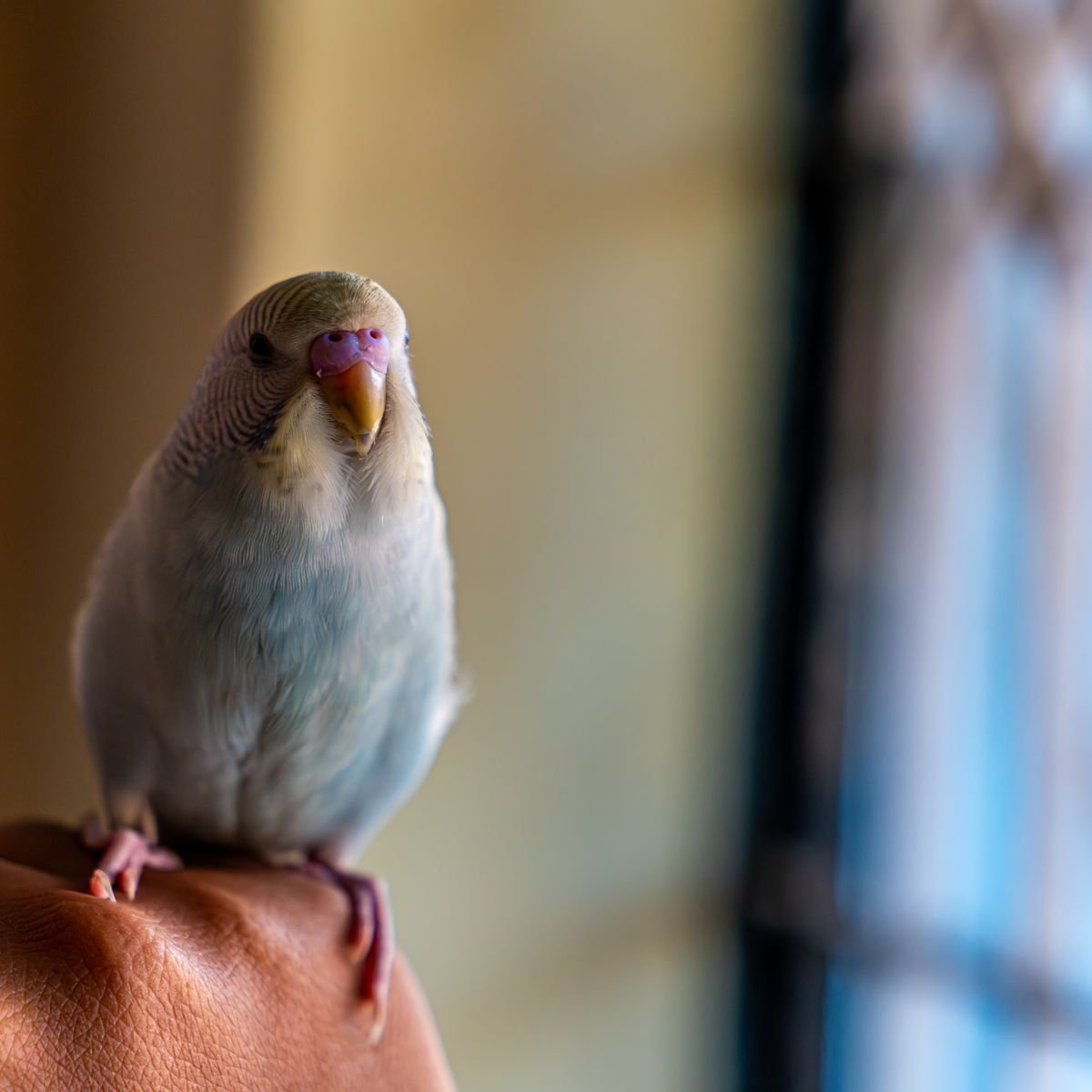
Feathers can hide body condition surprisingly well. A bird may lose a meaningful amount of weight before an owner notices a visible change, which is why regular weighing is one of the simplest health-monitoring habits you can build at home.
Use a scale that reads in grams
A digital kitchen or bird scale that measures in one-gram increments works well for many pet birds. Lafeber recommends regular weighing in grams rather than guessing by feel. See Lafeber’s avian-vet guidance.
Weigh at a consistent time
For useful trends, weigh under similar conditions—often in the morning before a large meal. The exact number is less useful than a consistent series of measurements.
Train the bird to step onto the scale
Place a low perch or non-slip platform on the scale and reward the bird for approaching, stepping on, and staying briefly. Avoid grabbing the bird just to get a number if voluntary training is possible.
Record the number
Keep a notebook or phone log with the date and weight. Also note appetite, droppings, molt, medication, or diet changes that may explain a shift.
Focus on percentage change and trend
Different species—and even individuals of the same species—have different healthy weights. Ask your avian veterinarian for your bird’s normal range rather than comparing with a generic internet chart.
Diet changes are a good time to monitor more closely
When converting from a seed-heavy diet to pellets or another feeding plan, weigh more frequently so reduced food intake is not missed. A bird that is offered a new food is not necessarily eating enough of it.
When to call the vet
Contact your avian veterinarian for an unexplained downward trend, a sudden large change, appetite loss, weakness, abnormal droppings, or other illness signs. Weight should be interpreted alongside the whole bird.
Build a perch scale if the bird dislikes flat platforms
Many parrots are more comfortable stepping onto a familiar perch than a bare kitchen scale. A short stable perch can be secured above the scale as long as you tare the setup first and keep it low enough to prevent injury from a fall.
Use the same setup each time
Different perches, bowls, or towels change the reading. Weigh with the same equipment and under similar conditions so the trend is meaningful.
Weight loss can appear before obvious illness
Birds often hide disease. A downward weight trend may appear before the bird looks thin or stops perching normally. This is why a baseline from healthy periods is so useful.
Do not intentionally restrict food to get a cleaner number
Consistency matters, but health matters more. Do not fast a pet bird unless an avian veterinarian gives specific instructions for a medical procedure.
How often should you weigh?
For a healthy stable bird, weekly weighing is a practical routine for many owners. Birds changing diet, recovering from illness, breeding, or under veterinary treatment may need more frequent checks as directed by the clinic.
Use a percentage to understand change
A five-gram change means something very different in a 35-gram budgie than in a 500-gram parrot. Record both the grams and the percentage change from the bird’s established baseline, then ask your veterinarian what amount should trigger a call for that species and individual.
Body condition still matters
The scale cannot tell whether weight is muscle, fat, fluid, or an enlarged organ. Avian veterinarians assess the keel and pectoral muscles as part of body-condition evaluation. Home weight monitoring complements, rather than replaces, physical examination.
Keep the scale easy to access
A scale that is stored in a difficult place tends not to be used. Keep it near the bird’s routine area, protected from droppings and moisture, and make weighing part of a predictable reward-based routine.
Sudden gain can matter too
Owners often focus only on weight loss, but unexpected gain may reflect obesity, reproductive activity, fluid accumulation, or other disease. Report unexplained changes in either direction when they persist.
Calibrate your expectations after a new scale purchase
Two household scales may not give identical readings. When you change equipment, record a short overlap period if possible rather than assuming a sudden one-day weight change is real. Consistency of equipment makes trends easier to interpret.
The bottom line
A gram scale gives owners an objective health measure that feathers cannot hide. Build a normal baseline while your bird is healthy, then use trends—not one isolated number—to spot changes early.
0 comments