
Cold-Weather Rabbit Care: Indoor Temperatures, Outdoor Housing and Winter Risks
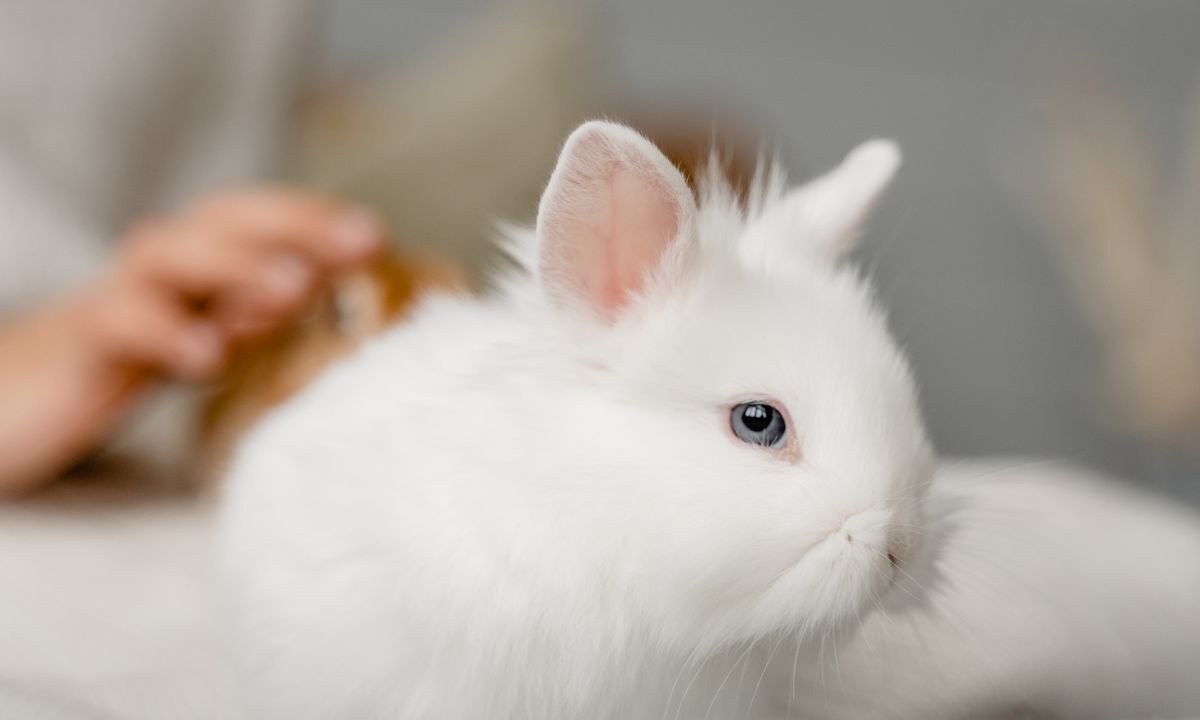
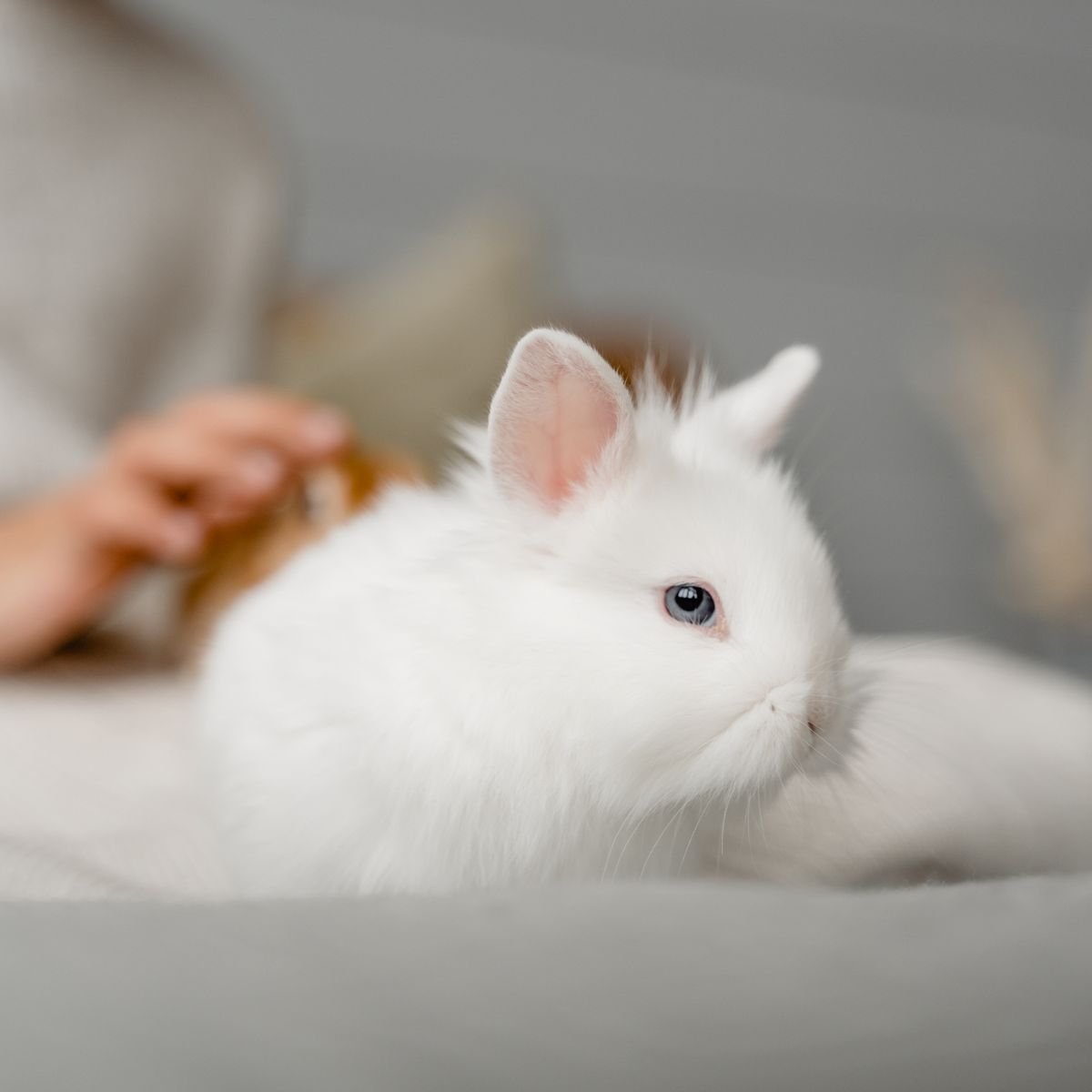
Healthy rabbits can cope with cool conditions surprisingly well when they are acclimated, dry, sheltered, and able to move normally. Winter problems are more likely to come from damp bedding, drafts, frozen water, poor ventilation, sudden temperature changes, or a rabbit becoming ill unnoticed.
Rabbits do not hibernate
If a rabbit becomes limp, unusually sleepy, weak, or stops eating in cold weather, do not assume hibernation. Domestic rabbits do not hibernate. The RSPCA winter rabbit guide advises seeking veterinary help if a rabbit appears lethargic or unwell.
Dry shelter matters as much as warmth
Outdoor housing should be protected from wind, rain, snow, and ground moisture while remaining ventilated. Wet bedding loses insulating value and can freeze.
Add bedding without blocking ventilation
Provide generous dry bedding and plenty of hay. Covers and insulation can help, but do not seal the enclosure so tightly that moisture and ammonia build up.
Check water at least twice daily in freezing weather
Bottles can freeze at the spout even when they look full. Bowls may also ice over. Check that water is actually flowing and provide a backup source where practical.
Avoid sudden indoor-outdoor temperature swings
A rabbit acclimated to cold outdoor housing should not repeatedly move between a heated living room and freezing weather. If bringing rabbits inside for winter, make the move thoughtfully and provide adequate space and enrichment.
Older, thin or unwell rabbits need extra caution
Rabbits with arthritis, dental disease, chronic illness, low body weight, or reduced mobility may not cope as well with cold. Ask your veterinarian whether indoor winter housing is safer for that individual rabbit.
Keep exercise available
Winter should not mean confinement to a small sleeping box. Rabbits still need room to move, forage, dig, and explore in a dry, sheltered area.
Monitor appetite and droppings every day
Reduced eating or abnormal droppings are important year-round but can be easier to miss when owners spend less time outside. Our rabbit GI stasis guide explains why appetite and fecal output matter.
Check the enclosure before winter weather arrives
Inspect roof panels, locks, flooring, raised supports, ventilation openings, and exercise areas before the first freeze. Repair damp wood and gaps early rather than discovering them during a storm.
Do not trade ventilation for warmth
Wrapping an enclosure too tightly can trap moisture and ammonia from urine. Insulate the sleeping area and block direct drafts while still allowing fresh-air exchange.
Use companionship appropriately
Compatible bonded rabbits often rest together and share body warmth, but cold weather is not a reason to introduce unfamiliar rabbits suddenly. Bonding should still be done gradually and safely.
Watch body condition through the coat
A thick winter coat can hide weight loss. Feel body condition regularly and weigh your rabbit if possible. Weight loss, reduced appetite, or fewer droppings should prompt veterinary attention even if the rabbit still looks fluffy.
Use a simple winter checklist twice a day
Check water flow, bedding dryness, appetite, droppings, body condition, and whether the rabbit is moving normally. In freezing weather, a quick visual check is not enough because a bottle can look full while the nozzle is frozen.
Protect feet from persistent dampness
Wet flooring and urine-soaked bedding can soften skin and contribute to sore hocks. Keep resting surfaces dry, replace wet bedding promptly, and make sure the rabbit has a clean area with good traction.
Wind chill matters in exposed housing
A sheltered enclosure can feel very different from an exposed run at the same air temperature. Block prevailing wind at rabbit level while preserving ventilation above and around the housing.
Do not use unsafe heat sources
Avoid hot-water bottles or electrical heating devices the rabbit can chew unless they are specifically designed and positioned for animal use. If extra heat is needed, choose a rabbit-safe product and follow the manufacturer’s instructions.
Cold weather should not reduce hay access
Rabbits need unrestricted grass hay year-round. Hay supports gut function and also provides a normal source of calories and chewing activity during colder months. Appetite dropping in winter is not something to dismiss as seasonal.
The bottom line
Winter rabbit care is mainly about keeping rabbits dry, sheltered, hydrated, well fed, active, and closely observed. Cold itself is not the only risk; dampness, frozen water, poor ventilation, and unnoticed illness can be more dangerous.
0 comments