
Rabbit Snuffles and Respiratory Infections: Sneezing, Discharge and Vet Care
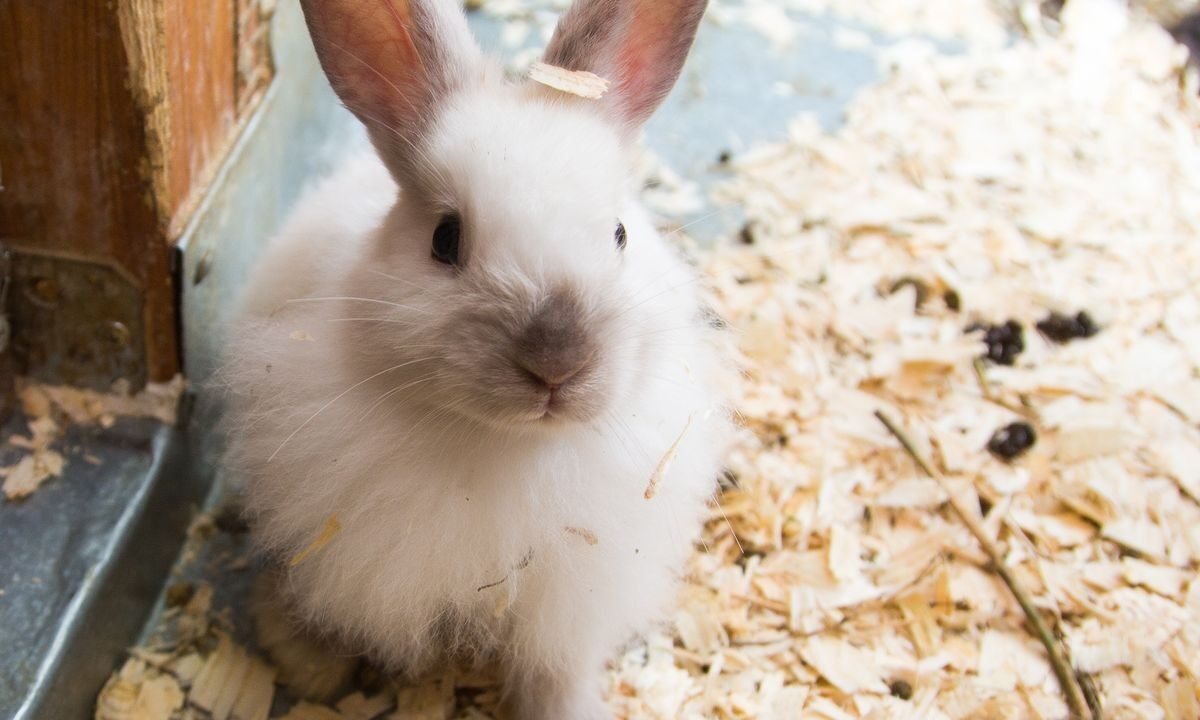
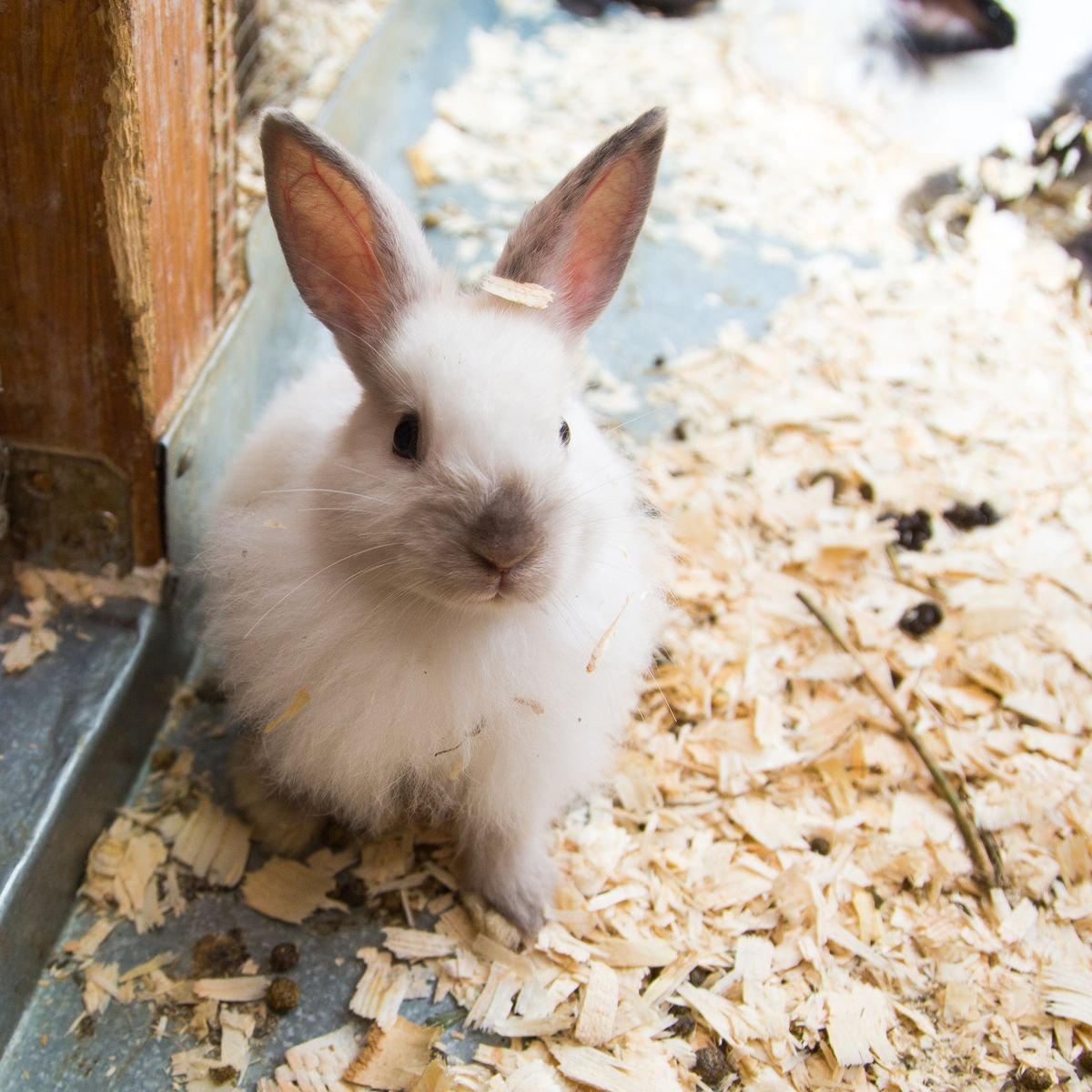
“Snuffles” is a common name for upper respiratory disease in rabbits, but it should not be treated as one simple infection. Sneezing and discharge can be caused by bacteria, dental disease, irritants, or foreign material in the nose.
Pasteurella multocida is an important bacterial cause, but a rabbit can carry Pasteurella without showing disease, and other organisms can be involved.
Signs owners may notice
- Repeated sneezing
- Clear, white, yellow, or thick nasal discharge
- Watery or sticky eye discharge
- Crusted or matted fur on the front paws
- Noisy breathing
- Reduced appetite
- Lethargy
- Head tilt or balance changes if deeper ear disease develops
Why the front paws can give a clue
Rabbits wipe their nose and eyes with the front paws. Merck notes that discharge can leave the fur on the inside of the forelegs matted or thinned. See Merck’s rabbit respiratory guide.
Not every sneeze is infection
Dusty hay, poor ventilation, smoke, aerosol sprays, ammonia buildup, dental root disease, and a piece of hay or other foreign material in the nose can produce similar signs. Persistent sneezing needs investigation rather than automatic antibiotic treatment.
Why culture may be useful
VCA notes that a swab of nasal or eye discharge can help guide antibiotic choice in some cases. Rabbit respiratory disease can become chronic, and inappropriate antibiotics can be dangerous to the rabbit’s digestive system.
See VCA’s rabbit disease overview.
Do not use leftover antibiotics
Some antibiotics that are commonly used in other pets can cause severe or fatal disruption of a rabbit’s gut bacteria when given by the wrong route. Medication should be selected by a rabbit-experienced veterinarian.
Breathing difficulty is urgent
Rabbits are primarily nose breathers. Open-mouth breathing, marked respiratory effort, blue or pale tissues, collapse, or severe weakness requires emergency veterinary care.
Support the environment
Keep housing clean, dry, well ventilated, and free from smoke, aerosols, and strong fragrances. Avoid dusty bedding. Environmental improvement helps reduce irritation but does not replace treatment when infection or dental disease is present.
Check the environment while arranging veterinary care
Poor ventilation, dusty bedding, ammonia from urine, smoke, perfumes, and aerosol sprays can irritate a rabbit’s airways. Clean the enclosure, improve fresh-air exchange without creating cold drafts, and remove airborne irritants. These steps support recovery but do not replace diagnosis or medication when infection is present.
Dental disease can mimic a respiratory problem
Rabbit tooth roots lie close to the tear ducts and nasal structures. Dental disease can contribute to eye discharge or nasal signs, which is one reason recurrent “snuffles” may need oral examination and imaging rather than repeated empirical treatment.
Watch appetite and droppings during respiratory illness
A rabbit that cannot smell food well or is struggling to breathe may eat less. Reduced intake can then create a second problem in the gastrointestinal tract. Track hay consumption and droppings closely and tell your veterinarian if either decreases.
Protect other rabbits sensibly
Respiratory infections can spread through direct contact, discharge, bowls, and other shared items. If one rabbit develops signs, ask your veterinarian how to manage bonded companions without causing unnecessary stress or abruptly breaking an established bond.
What to record before the appointment
- How often the rabbit sneezes
- Color and thickness of discharge
- Whether one or both eyes are affected
- Appetite and droppings
- Any recent housing or bedding change
- Any new rabbit exposure
- Breathing sounds or effort
Eye discharge can be part of the same problem
Because the nasal passages, tear ducts, and teeth are closely related in rabbits, respiratory disease may appear with watery or sticky eyes. Persistent one-sided eye discharge is particularly useful to mention because it can suggest a local dental or tear-duct problem.
Chronic cases may need a longer plan
Some rabbits improve quickly; others have recurrent or chronic respiratory disease that needs repeated monitoring, culture, imaging, or changes in treatment. A temporary improvement does not always mean the underlying issue is permanently resolved.
Separate cleaning from disinfection
Remove urine, food debris, and soiled bedding regularly so ammonia and dust stay low. If your veterinarian recommends disinfecting shared equipment, follow product instructions carefully and rinse or dry items fully before the rabbits contact them again.
The bottom line
Persistent sneezing or discharge is not something to ignore in a rabbit. “Snuffles” describes a pattern, not one guaranteed cause. Early veterinary assessment gives the best chance of identifying infection, dental disease, or another underlying problem before breathing and appetite worsen.
0 comments