
Rabbit Pain Signs: How Rabbits Hide Illness and What Owners Should Watch For
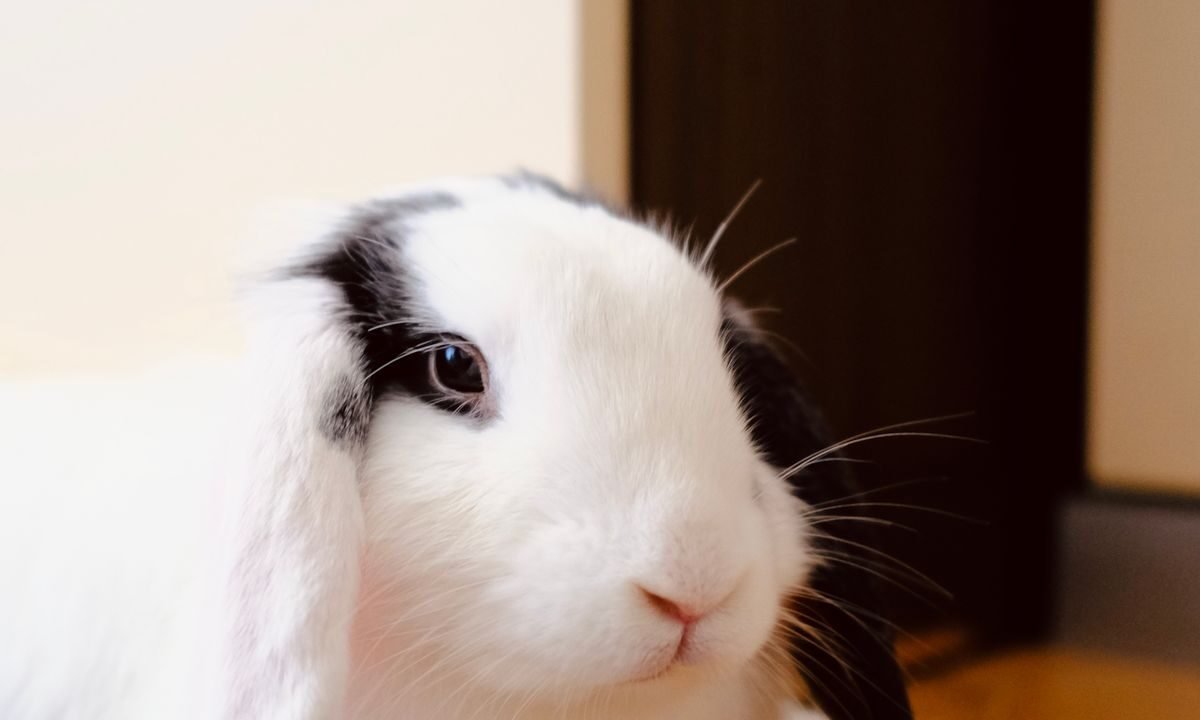
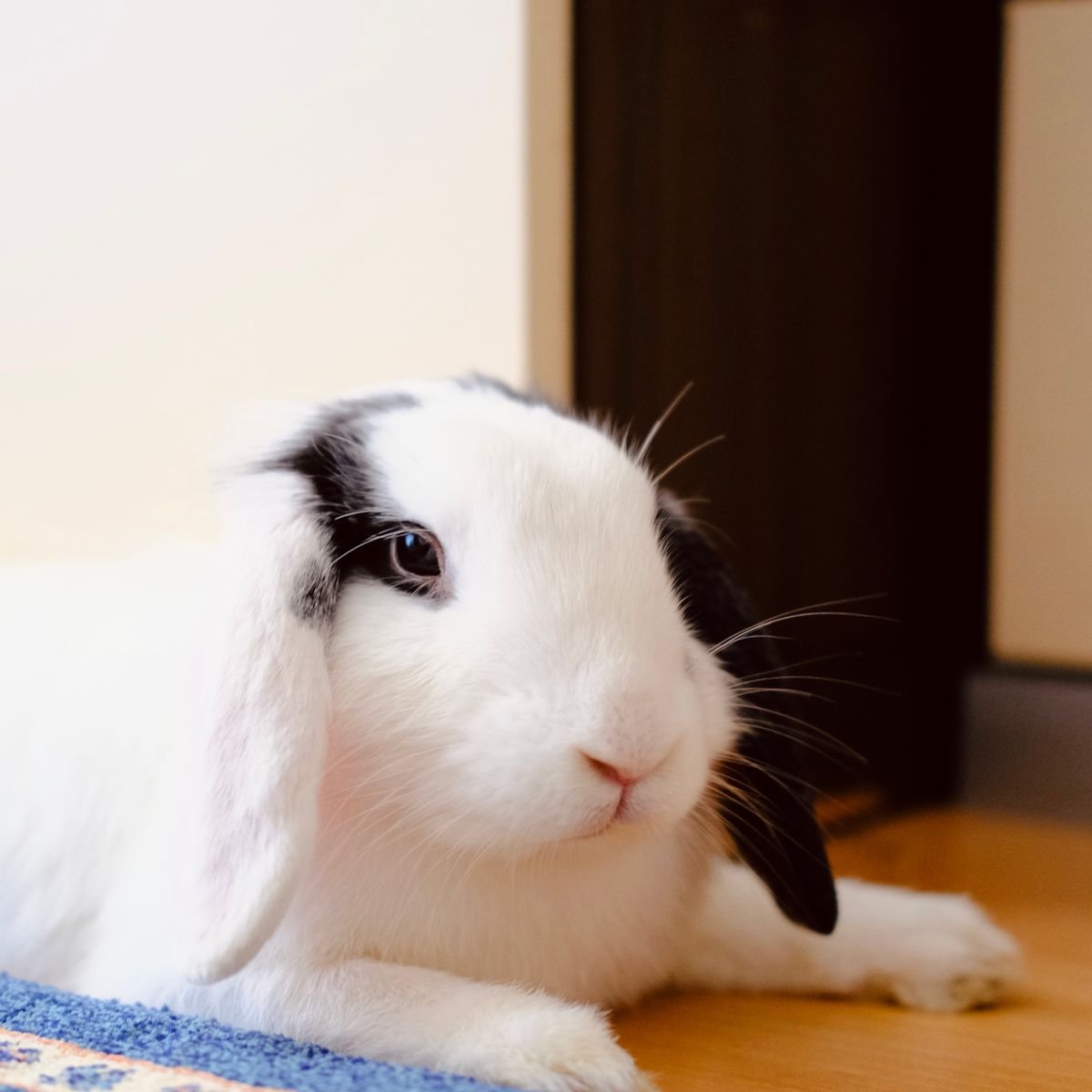
Rabbits are prey animals, so obvious weakness can be dangerous in nature. That means pet rabbits often hide pain and illness until the problem is significant. Owners may see only small changes at first: a rabbit sits differently, eats more slowly, stops exploring, or produces fewer droppings.
Common signs of pain or illness
- Reduced appetite or refusing favorite foods
- Fewer or smaller droppings
- Hunched posture
- Teeth grinding that is louder than gentle contented tooth purring
- Reluctance to move
- Hiding more than usual
- Half-closed eyes
- Rapid or labored breathing
- Drooling
- Changes in grooming
- Aggression when touched
The Merck Veterinary Manual rabbit-owner guide lists appetite loss, lack of energy, drooling, abnormal movement, breathing trouble, and changes in droppings among important illness signs.
Appetite is one of the most important daily checks
A rabbit that stops eating can quickly develop gastrointestinal complications. Do not assume a rabbit is merely “being picky” if hay, pellets, greens, or favorite foods are suddenly ignored.
Droppings tell you a lot
Check quantity, size, and consistency every day. Fewer droppings or no droppings can be associated with reduced gut movement. Our rabbit GI stasis guide explains why appetite and fecal output are urgent clues.
Posture changes matter
A painful rabbit may sit tightly hunched, press the abdomen to the floor, shift position repeatedly, or avoid stretching out. Compare the posture with how your rabbit normally rests when relaxed.
Do not give human painkillers
Human medications can be dangerous to rabbits. Pain control should be prescribed by a rabbit-experienced veterinarian based on the cause and the rabbit’s health.
When to seek urgent care
Contact a rabbit-savvy veterinarian promptly if your rabbit stops eating, produces no droppings, has difficulty breathing, seems weak or collapsed, has a swollen abdomen, cannot move normally, or shows severe pain.
Keep a normal-baseline record
Knowing your rabbit’s normal weight, appetite, water intake, droppings, activity, and resting posture makes subtle changes easier to spot. A short video can also help your veterinarian see behavior that disappears in the clinic.
Learn the difference between relaxed and painful tooth grinding
A content rabbit may make very soft tooth-purring sounds when relaxed. Pain-related grinding is usually louder and may occur with a hunched posture, half-closed eyes, reduced appetite, or reluctance to move. Context matters more than the sound alone.
Use a daily hands-off health check
Before picking your rabbit up, watch from a distance. Is the rabbit interested in hay? Moving normally? Grooming? Producing normal droppings? Resting in a familiar posture? Subtle changes are easier to see before handling changes the rabbit’s behavior.
Pain can come from many body systems
Dental disease, GI stasis, urinary disease, sore hocks, arthritis, injury, ear disease, and reproductive disease can all produce reduced appetite or altered posture. Avoid trying to identify the cause from one sign.
Weight changes can reveal a slow problem
A weekly weight on an accurate scale can help identify gradual decline before it is obvious visually. Record the number rather than relying on how heavy the rabbit feels in your arms.
Do not delay care because the rabbit still eats treats
Some unwell rabbits will still accept a favorite treat while eating less hay or fewer normal meals. Compare the whole diet and droppings with the usual pattern rather than using one accepted snack as proof that everything is fine.
Use the face and eyes as extra clues
Painful rabbits may narrow the eyes, flatten the cheeks, change ear position, or hold the whiskers differently. Veterinarians sometimes use rabbit grimace scales as part of pain assessment, but owners should use these signs together with appetite, movement, posture, and droppings rather than relying on one facial expression.
Handling changes can be meaningful
A rabbit that usually tolerates touch may suddenly flinch, kick, grunt, or try to escape when one area is handled. That can point to pain even if the rabbit still moves around the enclosure. Avoid repeatedly pressing the painful area to “check” it.
Keep a written baseline
Record normal weight, typical hay intake, favorite resting posture, usual activity times, and average droppings. A baseline turns vague impressions such as “seems quieter” into clearer evidence you can share with your veterinarian.
The bottom line
Rabbit pain is often quiet. A change in appetite, droppings, posture, movement, breathing, or social behavior may be more important than a dramatic cry or limp. When several small changes appear together, act early.
0 comments