
DIY Dog Enrichment: Safe Homemade Activities for Sniffing, Foraging and Play
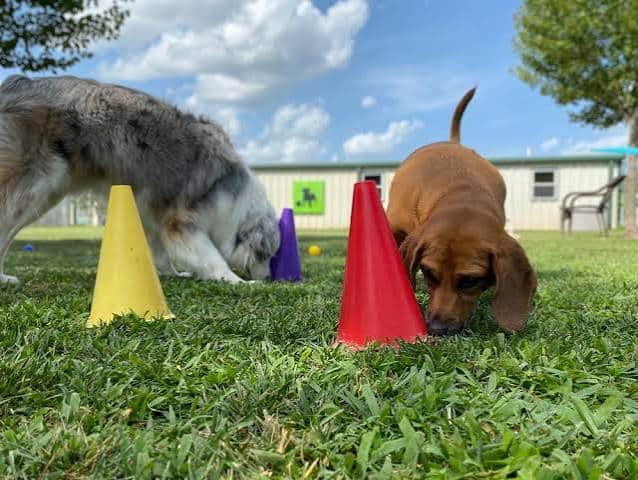
Dog enrichment does not require a shelf full of toys. Dogs can benefit from chances to sniff, search, chew, shred, solve simple problems, move through the environment and make choices. Many useful activities can be built from towels, boxes, food the dog already eats and a few minutes of your attention.
The key is matching the activity to the individual dog. A cardboard search may be brilliant for a dog that tears but does not swallow paper, and completely inappropriate for a dog with pica. A food puzzle may settle one dog and make another frantic. Good enrichment is not defined by the object. It is defined by whether the dog can engage safely and come away satisfied.
What enrichment is supposed to do
Enrichment gives a dog appropriate outlets for normal behaviors. Sniffing, foraging, chewing, investigating, digging and problem-solving are all useful examples. It can help make indoor days more interesting, add variety to walks and give dogs choices about how they interact with their environment.
It is not a substitute for veterinary care, exercise, social contact or behavior treatment. It is also not a contest to keep the dog busy every waking minute. Rest is part of good welfare too.
1. Scatter part of a meal
One of the simplest enrichment activities is to scatter part of the dog’s measured meal over a clean floor, mat or safe area of grass. Let the dog search with its nose rather than eating from a bowl.
Start in a small area so success is easy. Once the dog understands the game, spread the food farther apart or use light cover such as safe grass. Avoid scattering where pesticides, sharp debris or other animals’ waste may be present.
2. Towel foraging
Lay a towel flat, sprinkle a few pieces of kibble across it and loosely fold the fabric. For a beginner, leave many pieces visible. For a more experienced dog, roll the towel loosely.
Supervise. If the dog starts chewing and swallowing fabric, stop and choose a different game. The objective is sniffing and searching, not destroying the towel.
3. Cardboard box search
Place several open cardboard boxes on the floor and hide part of the dog’s meal in one or more boxes. Let the dog investigate. You can crumple plain paper lightly around the food for dogs that enjoy searching through material.
Remove tape, staples, plastic labels and packing straps first. Dogs that swallow cardboard or paper should use a sturdier reusable puzzle instead.
4. “Find it” around the room
Ask the dog to wait behind a gate or with another person while you place a few treats or pieces of kibble in easy locations. Release the dog and say a consistent cue such as “find it.”
Keep the early hides obvious. A dog that repeatedly fails may stop searching. Difficulty should rise slowly as skill improves.
5. Hide a favorite toy
Food is not the only reward. If your dog loves a particular toy, let the dog see you place it behind a chair, then encourage a search. Later, hide it out of sight.
This works especially well for dogs that value play more than food and for households trying to keep calories under control.
6. Muffin-tin puzzle
Place kibble in several cups of a muffin tin. Cover some cups with lightweight, dog-safe objects that are too large to swallow, such as appropriately sized balls. The dog has to move the covers to reach the food.
For small dogs, use a setup that is stable and easy to reach. For powerful chewers, avoid objects that can be crushed or swallowed.
7. Paper parcel for dogs that like shredding
Some dogs find controlled shredding highly satisfying. Wrap a few pieces of kibble loosely in plain uncoated paper and place the parcel inside an open box.
This activity is only suitable for dogs that spit out the paper rather than swallowing it. Stay in the room. If the dog eats non-food material, skip shredding games entirely.
8. A short scent trail
Drag a strongly scented dog-safe food along the floor for a short distance, then leave a small reward at the end. Alternatively, place tiny pieces of kibble a few feet apart to make an easy trail.
As the dog learns, increase the distance or add gentle turns. This is mental work, so sessions do not need to be long.
9. Two-minute training games
Training is enrichment when it is clear, achievable and reward-based. Practise hand targeting, going to a mat, looking at you on cue, toy names, a short recall or calm handling.
The American Veterinary Society of Animal Behavior’s position statements support humane, reward-based training. Our positive-reinforcement training guide explains how to build behaviors without intimidation.
10. Choice-based walks
A walk does not need to be a forced march. In a safe area, allow the dog time to sniff and sometimes choose which side of a path to explore. Sniffing can make a short walk more mentally rich than a longer walk where the dog is constantly pulled away from interesting smells.
Use an appropriate leash and avoid unsafe roadside choices, wildlife conflicts or areas where local rules require closer control.
11. Indoor obstacle exploration
Create a simple route using stable household objects: walk around a chair, step over a low broom handle placed on the floor, pass between boxes or stand on a low non-slip mat. Keep everything low and stable.
This is not agility training and should not involve jumping from furniture. Puppies, seniors and dogs with orthopedic problems need especially gentle setups.
12. Digging alternatives
For dogs that love to dig, provide an appropriate outlet instead of only trying to suppress the behavior. A sandbox, soil area or box filled with safe material can become a designated digging spot.
Supervise the first sessions and avoid fillers the dog may swallow. Hide a toy near the surface to show the dog what the area is for.
How to use food without overfeeding
Set aside part of the dog’s daily ration before preparing enrichment. That way the same calories are delivered differently rather than added on top. For lick mats and stuffed toys, our dog enrichment food guide explains how to use regular food as the base.
If you add human foods, keep portions small and check ingredient safety. The FDA’s pet safety guidance is a useful reference for common household hazards, and our toxic-food guide covers higher-risk foods in more detail.
Enrichment for puppies
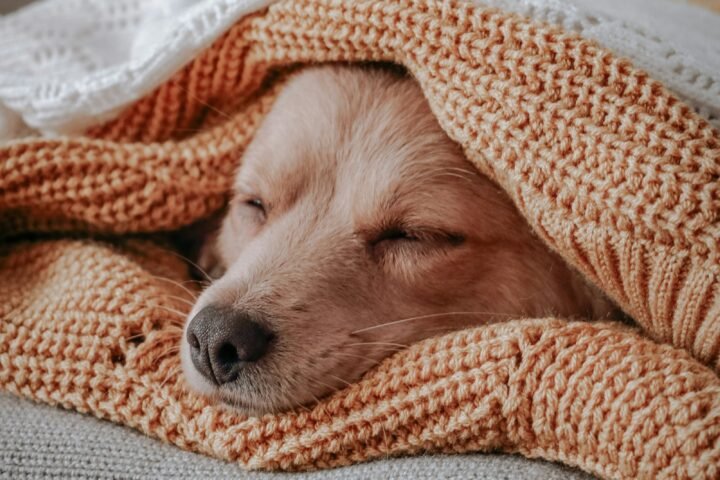
Puppies need short sessions, easy wins and close supervision. They also need a great deal of sleep. A puppy that becomes bitey, wild and unable to focus after repeated games may be overtired rather than under-stimulated.
Use simple food searches, very short training, safe chewing and gentle exploration. Avoid high-impact jumping or activities that encourage a puppy to swallow household materials.
Enrichment for senior dogs
Older dogs can enjoy enrichment just as much as younger dogs, but arthritis, hearing loss, vision changes and dental disease may change which activities feel good. Use non-slip flooring, lower food puzzles and easy scent games.
If an older dog suddenly stops participating in favorite activities, consider pain or illness rather than assuming boredom.
Watch for frustration
A useful activity should challenge the dog without trapping it in failure. Signs the task is too difficult can include repeated barking, frantic pawing, chewing the puzzle itself, abandoning the activity or becoming increasingly agitated.
Make the task easier. Open the box, remove a cover, let some food remain visible or switch to a familiar game. Enrichment is not an intelligence test.
Watch for resource guarding
Some dogs guard food toys, chews or found objects. If the dog stiffens, freezes, growls or protects an item, do not reach into its mouth or repeatedly take the item away to “teach sharing.” Manage distance and seek qualified behavior help if guarding is significant.
Rotate rather than constantly buy
Put a few safe toys away and bring them back later. Change the location of a familiar search game. Use the same boxes in a new arrangement. Dogs often enjoy familiar activities, and variety does not require constant spending.
A simple rainy-day plan
Try ten minutes of sniffing or food search in the morning, a short training session at midday, quiet chewing or a lick activity in the afternoon and a calm walk when the weather allows. Our rainy-day puppy routine applies the same principle to younger dogs.
Bottom line
DIY enrichment works best when it is simple, safe and matched to the dog in front of you. Use ordinary household materials only when the dog is unlikely to swallow them, keep food calories within the daily plan, make challenges easy enough to succeed and stop if the dog becomes frustrated or unsafe. A few good activities repeated thoughtfully are more useful than a constant stream of complicated projects.


0 comments