
Pit Bull Breeds and Types: What the Term Actually Means
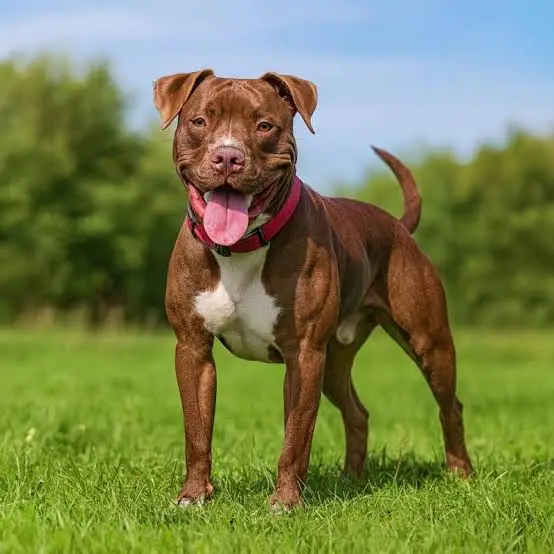
“Pit bull” is not one universally defined breed name. In everyday use it may refer to the American Pit Bull Terrier, American Staffordshire Terrier, Staffordshire Bull Terrier, or mixed dogs with a similar short-coated, muscular appearance. Registries use more precise breed names.
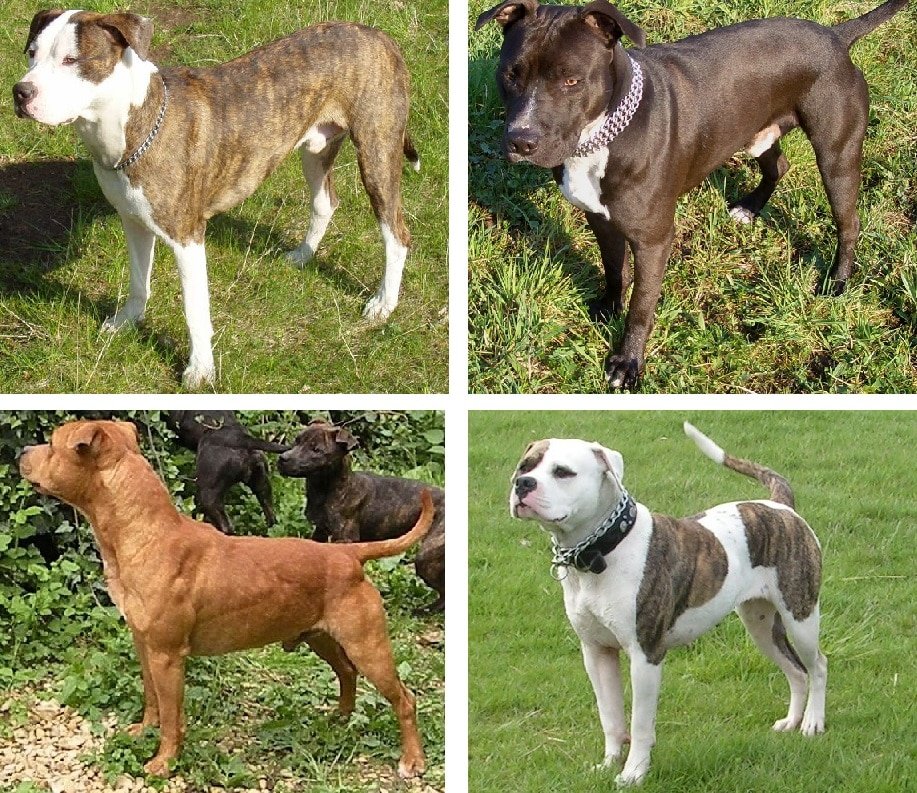
Recognized breed names commonly associated with the label
- American Pit Bull Terrier: recognized by the United Kennel Club.
- American Staffordshire Terrier: recognized by the American Kennel Club.
- Staffordshire Bull Terrier: a smaller British breed recognized by major kennel clubs.
The American Bully is a separate modern breed in registries that recognize it and should not simply be treated as another name for an APBT.
Appearance is not a DNA test
Mixed-breed dogs can share broad heads, short coats and muscular bodies without having the ancestry people assume. Visual breed labeling becomes especially uncertain when several breeds contribute to a dog’s appearance.
Breed label does not predict one individual dog’s behavior
Behavior reflects genetics, development, health, training, environment and individual experience. A label such as “pit bull” cannot tell you whether a particular dog is safe with children, other dogs or cats. Assess the dog in context.
For owners and adopters
Check local housing or insurance rules, ask for the dog’s known history, use reward-based training and manage interactions according to actual behavior. Our dog bite data guide explains why breed-only risk rankings are weak.


0 comments