
Invasive Species and Exotic Pets: Why Releasing Pets Harms Wildlife

Releasing an unwanted aquarium fish, reptile, bird or exotic mammal into the wild is not a humane rehoming solution. Most released pets suffer or die. Some survive, reproduce and spread, creating ecological, agricultural or disease problems that can last for decades.
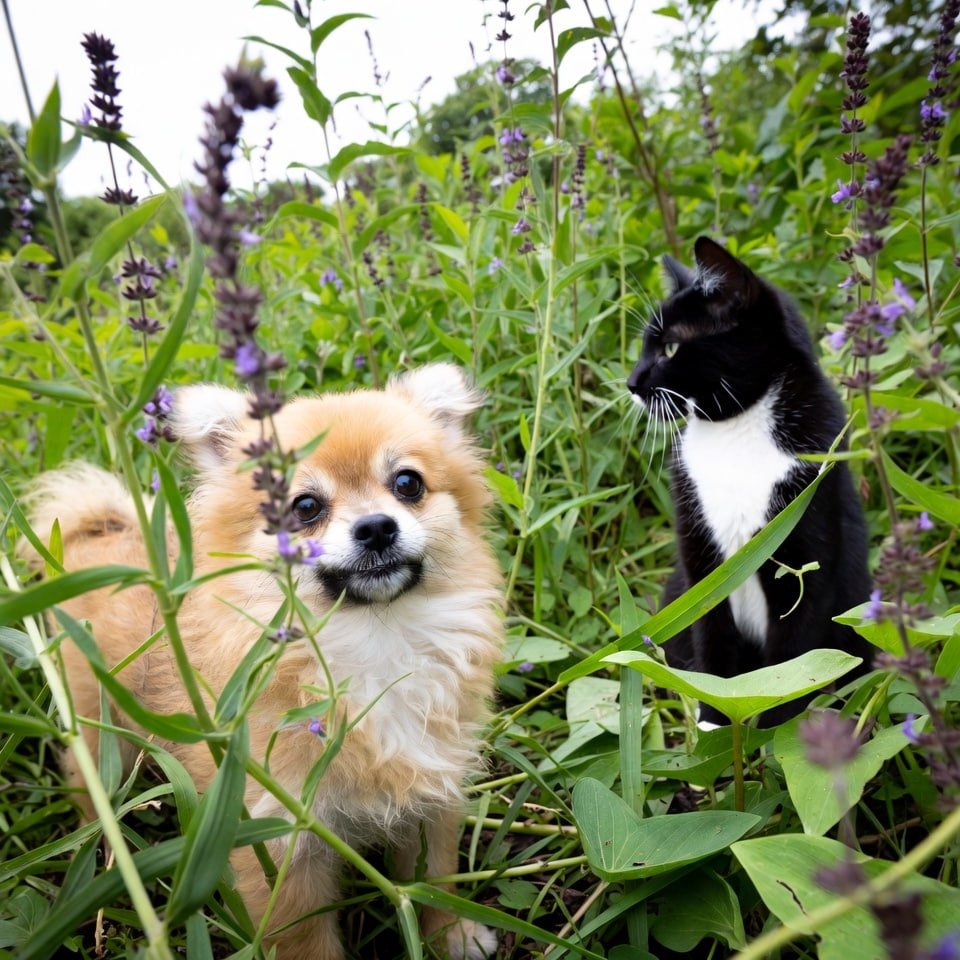
The rule is simple: do not let a pet loose. The U.S. Fish & Wildlife Service explicitly advises against releasing pets because released animals may die or, if they survive, become invasive and harm native wildlife.
What makes a species invasive?
A non-native species is one introduced outside its natural range. It becomes invasive when it establishes and causes or is likely to cause harm to ecosystems, economies, agriculture or human, animal or plant health.
Not every released pet establishes a population, but owners cannot predict which one will survive, reproduce or carry pathogens.
Why “it probably won’t survive” is not a good argument
If the animal dies, the release was not humane. If it survives, the ecological risk may increase.
Either outcome is worse than responsible surrender or rehoming.
Aquarium dumping is release
Do not pour fish, snails, aquatic plants or aquarium water containing live organisms into ponds, streams or storm drains.
The U.S. Fish & Wildlife Service guidance for aquarium owners says not to release fish, animals or plants into natural water and recommends finding a new home instead.
Goldfish are a useful example
Goldfish look harmless in a home tank, but released individuals can grow, reproduce and disturb aquatic habitats where conditions suit them.
A familiar pet species can still become an invasive problem outside captivity.
Reptiles
Turtles, snakes and lizards are often surrendered when they grow larger, live longer or require more specialized care than expected.
Releasing them exposes the animal to starvation, predation and temperature extremes and may threaten native species if the animal survives.
Birds
Escaped or deliberately released cage birds may fail to survive, but some species can establish local populations in suitable climates.
Do not assume flight makes release humane. Captive birds may lack the skills or flock structure needed to survive.
Small mammals
Rabbits, rodents and other small mammals can suffer quickly from predators, weather and lack of appropriate food.
Domestic rabbits in particular are not equivalent to wild rabbits and should not be “set free.”
Plants matter too
Exotic-pet responsibility includes aquatic and terrarium plants. Discarded plants can spread vegetatively or carry hitchhiking organisms.
Follow local disposal advice rather than composting or dumping potentially invasive species outdoors.
Pathogens can travel with released pets
Even if the released animal itself does not become invasive, it may carry parasites, bacteria, fungi or viruses that affect native wildlife.
This is one reason aquarium water and contaminated equipment deserve attention too.
What should you do if you can no longer keep the animal?
- Contact the original seller or breeder and ask whether returns are accepted.
- Contact a species-specific rescue or knowledgeable shelter.
- Ask an exotic-animal veterinarian about local surrender options.
- Check state, provincial or national wildlife agencies for amnesty or rehoming programs.
- Use responsible private rehoming only after verifying that the new owner can legally and properly care for the species.
Do not abandon the animal outside a rescue
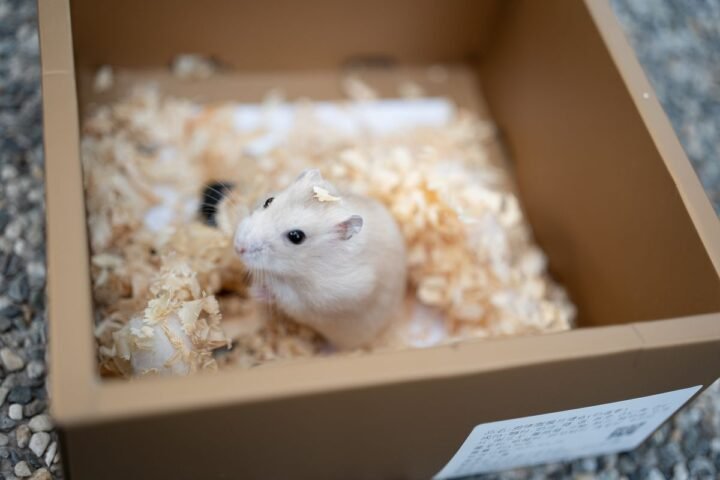
Leaving a pet in a box or enclosure outside a facility can expose it to heat, cold, predators or theft before staff find it.
Arrange surrender directly whenever possible.
Check legality before rehoming
Some exotic species are restricted, permit-only or prohibited in particular jurisdictions. Ownership rules can change after a person acquires the animal.
Contact the relevant wildlife, agriculture or animal-control authority rather than assuming an online sale is legal.
Do not move an invasive species across borders casually
If the species is already regulated, transporting it to another state or country may be illegal even if the goal is rehoming.
Get official advice first.
Before buying an exotic pet
Research the adult animal, not the juvenile sold in the shop. Ask:
- How large will it become?
- How long can it live?
- What enclosure will the adult need?
- What will heating, lighting and food cost?
- Is veterinary care available locally?
- Is ownership legal where you live?
- Can you transport it if you move?
- Who will care for it during travel?
Long lifespan is a major commitment
Some reptiles, parrots and turtles may live for decades. The cheap purchase price of a juvenile says very little about lifetime responsibility.
Plan for housing changes, college, relocation and family circumstances before acquiring a long-lived species.
Why exotic pets end up released
Common reasons include unexpected adult size, aggression, difficult feeding, expensive enclosures, breeding, landlord restrictions and lack of veterinary access.
Better pre-purchase research prevents many of these crises.
Responsible aquariums
Buy from reputable sources, identify species accurately and avoid purchasing plants or animals that are prohibited locally.
Never use local waterways as a disposal route.
What if you catch or find a suspected invasive animal?
Do not automatically move it to another location or release it elsewhere. Local rules vary by species.
Photograph and report unusual sightings to the appropriate wildlife or invasive-species authority when requested.
PetsFilled and responsible ownership
Responsible pet ownership includes planning for the end of ownership as well as the beginning. Our general pet-care planning approach emphasizes realistic lifetime responsibilities rather than impulse acquisition.
Why amnesty programs matter
Some wildlife agencies and nonprofit groups organize surrender or amnesty events so owners can relinquish restricted or unwanted exotic pets without releasing them. These programs can reduce both welfare and invasive-species risks.
Availability is local, so search official wildlife-agency information rather than assuming a nearby shelter accepts every species.
Moving house with an exotic pet
A legal pet in one state, province or country may be restricted in another. Check destination rules before moving and before crossing borders.
Do not wait until moving day to discover that permits, health certificates or alternative placement are required.
Schools and classroom pets
Classroom animals need the same lifetime planning as privately owned pets. Schools should decide in advance who owns the animal during holidays, who pays for veterinary care and what happens when the species outlives the class.
Release at the end of a school year is never an acceptable disposal plan.
Responsible rehoming includes honest disclosure
When rehoming an exotic pet, provide accurate information about age, species, diet, temperament, medical history and enclosure needs. Passing an animal to an unprepared person simply moves the welfare problem to another home.
Whenever possible, transfer equipment and written care information with the animal so the next keeper can maintain continuity.
Recordkeeping helps future care
Keep species identification, veterinary records, permits and purchase information together. Accurate records make responsible rehoming, travel and legal verification much easier if circumstances change years later.
Responsible ownership also means planning for equipment disposal. Clean and dry tanks, cages and accessories before resale or storage so hitchhiking organisms are not moved accidentally to another environment.
Good records also help authorities or rescues identify whether an animal can legally be transferred, transported or placed with a new keeper.
Bottom line
Releasing an exotic pet is risky for both the animal and the environment. Most released animals suffer; some become invasive; others may introduce pathogens. If you cannot keep a pet, use verified surrender, rescue or rehoming routes and check local wildlife rules before moving or transferring regulated species.
0 comments