
Aegean Cat: Greece’s Native Landrace, Temperament and Care
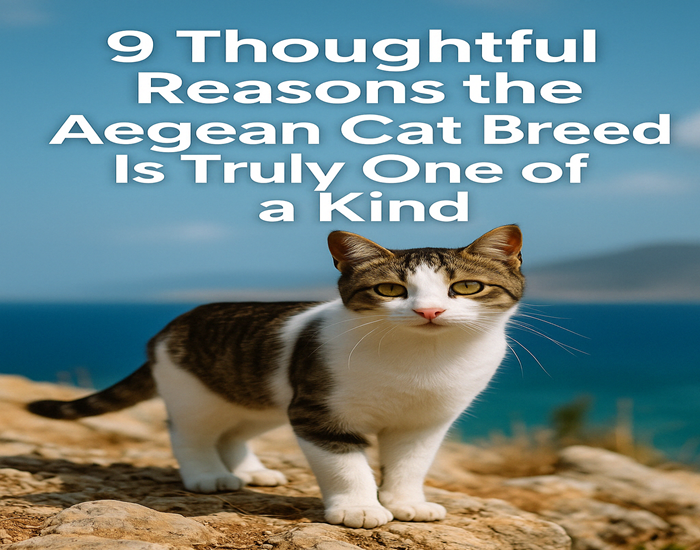
The Aegean cat is better understood as a naturally occurring Greek landrace than as a globally standardized pedigree breed. It is associated especially with the Cycladic islands, where free-living and household cats have adapted over generations to coastal villages, fishing harbors and island life.
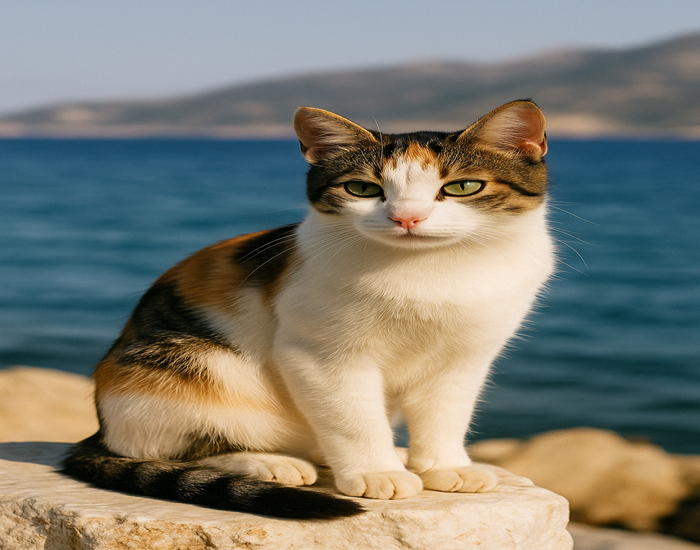
What makes the Aegean cat distinctive?
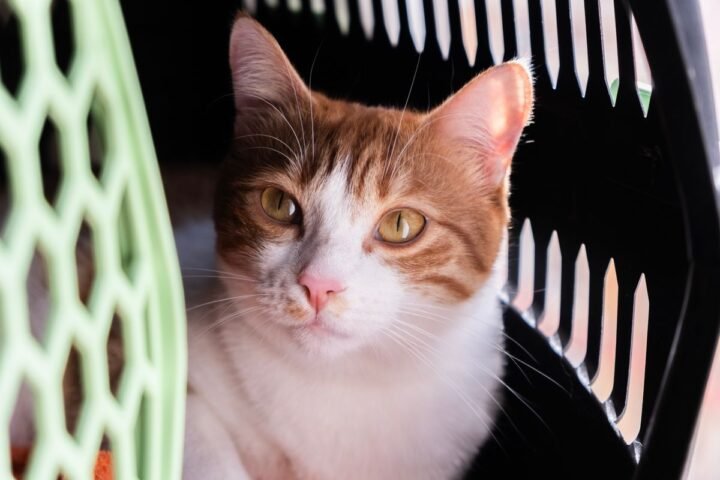
Most descriptions emphasize a medium, athletic body, a semi-long or medium coat, and frequent white spotting combined with tabby, black, red or other colors. Because the Aegean developed as a natural population rather than through a long closed pedigree program, individual appearance can vary more than people expect from a formal show breed.
The European pet-identification network describes the Aegean as a natural landrace originating in the Cyclades. Greece also has organized cat-fancy bodies such as the Greek Feline Federation, but the Aegean is not broadly standardized across the major international registries in the way breeds such as the Ragdoll or British Shorthair are.
Temperament: useful tendencies, not promises
Aegean cats are often described as lively, sociable and adaptable, particularly around people in the communities where they have long lived. That should not be turned into a guarantee that every Aegean cat will be outgoing or enjoy being held. Early experience, health, household environment and individual personality still matter more than a breed label.
They may be comfortable around water—but do not romanticize it
Stories about Aegean cats living around fishing ports have led to claims that they “love swimming.” Some individuals may show unusual curiosity around water, but there is no reason to force a cat into water or assume the landrace has a universal swimming instinct.
Everyday care
- Coat: brush regularly enough to remove loose hair and detect tangles.
- Weight: use measured feeding and body-condition monitoring rather than assuming an active cat cannot become overweight.
- Enrichment: provide climbing, scratching, hiding, hunting-style play and window views.
- Veterinary care: keep vaccination, parasite prevention, dental care and microchip details current.
For the home setup itself, our cat-friendly home guide explains how to create vertical space, safe resting areas and appropriate scratching options.
Is an Aegean cat right for you?
If you are attracted to the Aegean because of its Greek origin, focus first on the individual cat in front of you. A healthy adult from a foster home may provide more reliable information about sociability, handling and other-pet compatibility than a broad breed description.
What “Aegean cat” usually means
The Aegean cat is associated with the Greek islands and is commonly described as a naturally developed local population rather than a breed created through intensive modern selection. That is why “landrace” is the more careful term.
Appearance can vary
Aegean cats are often medium-sized with semi-long or medium coats and white combined with one or more other colors, but naturally occurring populations are not as visually uniform as tightly standardized pedigree breeds.
Temperament should not be treated as guaranteed
People often describe Aegean cats as social, active and adaptable, but individual personality still depends on early experience, health and environment. Meet the actual cat rather than choosing from a stereotype.
Activity and enrichment
Provide climbing, scratching, window views, interactive play and food puzzles. A cat with a background in an outdoor population may be especially interested in movement and environmental complexity, but indoor welfare still depends on the individual cat.
Coat care
Brush often enough to remove loose hair and find tangles early. Coat density and length can vary, so let the actual coat determine grooming frequency rather than following a fixed breed schedule.
Feeding
Use a complete and balanced cat food appropriate for life stage. A naturally active appearance does not protect a cat from obesity if calorie intake exceeds needs.
Health screening
There is no single widely accepted Aegean-specific inherited-disease panel that replaces routine veterinary care. Review dental health, weight, vaccination, parasite risk and any personal or family history available.
Indoor versus outdoor life
Do not assume Greek island ancestry means free roaming is necessary. Safe indoor enrichment, enclosed outdoor access or supervised harness time can provide stimulation while reducing traffic, injury and infectious-disease risk.
Adoption can be a better route than searching for a pedigree label
If your main goal is a sociable Mediterranean-type cat, focus on the individual animal’s temperament and health history. A foster home may provide more useful behavioral information than a breed description.
Questions to ask before bringing one home
- How social is this individual cat with people?
- Has the cat lived with other cats or dogs?
- What grooming does the coat actually require?
- What veterinary care and parasite prevention have already been completed?
- Is the cat comfortable indoors?
Life with an Aegean-type cat
Because the name is associated with a naturally developed regional population, expect variation. One cat may be highly social and active; another may be quieter and more cautious. Let the individual cat’s behavior determine the routine.
Indoor enrichment should be deliberate
Use climbing routes, scratching stations, hiding places, window views and interactive play. Rotate toys and include food puzzles so the home offers more than one type of stimulation.
Microchipping and identification still matter
Even an indoor cat can escape during a move, delivery or emergency. Keep microchip registration current and use visible identification where appropriate.
Parasite risk depends on lifestyle
Outdoor access, hunting and contact with other animals can change flea, tick and intestinal-parasite exposure. Discuss prevention with your veterinarian instead of assuming a landrace cat is naturally protected.
Dental care is part of routine care
Bad breath, drooling or altered chewing are not breed traits. Regular oral checks and preventive care matter regardless of ancestry.
Choose the cat, not the story
The Greek-island history is interesting, but it should not outweigh health, temperament and household fit. A calm adult with known behavior may be a better match than a kitten chosen because of a romantic breed description.
That principle matters especially with landrace cats, where individual variation can be wider than a polished breed summary suggests.
Water and fish interest should be managed like any other prey drive
Aegean cats are often described as comfortable around coastal environments, but that history should not be romanticized into a guarantee that every individual loves water or behaves safely around ponds and aquariums. Secure fish tanks, balcony ponds and open water features just as you would for any curious cat.
Body condition matters more than a “sturdy island cat” image
A naturally athletic cat can still become overweight indoors. Use measured feeding, regular play and body-condition checks rather than assuming an active-looking build protects against excess weight.
Use routine health care, not landrace myths
Natural development does not make a population immune to dental disease, parasites, kidney disease or age-related problems. Preventive veterinary care, vaccination appropriate to lifestyle and prompt investigation of new symptoms still matter.
Household fit matters more than geographic romance
An Aegean-type cat may be social, active and curious, but those descriptions are population-level tendencies rather than promises. Ask how the individual cat behaves with people, other cats, dogs, handling and time alone before deciding whether the match is right.
Outdoor history does not mean unrestricted roaming is necessary
A cat with ancestry from a free-living island population can still thrive indoors when the home provides climbing, scratching, play, hiding and opportunities to look outside safely. Supervised outdoor access or a secure catio can add variety without the full risks of free roaming.
Routine weighing can catch changes hidden by coat and build
Use the same scale where possible and look at body condition rather than assuming a solid frame is always healthy. Unplanned weight loss or gain deserves the same attention as in any other cat.
Adoption history can be more useful than a label
If the cat comes through rescue rather than a documented breeding program, treat “Aegean” as a descriptive clue rather than definitive ancestry. Behavior, health records and known history should guide care decisions.
PetsFilled uses the term “landrace” here deliberately. It reflects the Aegean’s natural population history without implying a level of international pedigree standardization that may not exist.
0 comments