
How to Choose a Cat Breed: Temperament, Coat, Health and Lifestyle Fit

Choosing a cat breed is less about finding the “best” breed and more about matching your tolerance for grooming, activity, vocalization, social needs and health considerations. Individual personality still matters within every breed.
Start with coat care
Long-haired breeds may need frequent combing; hairless cats require skin care; short-haired cats may need much less grooming. Choose a maintenance level you can realistically sustain.
Consider activity and interaction
Some breeds are commonly described as highly interactive or playful, while others may be more moderate. These are tendencies rather than guarantees.
Think about vocalization
Some cats are more talkative than others. If you live in a quiet apartment or dislike frequent vocalization, this may matter more than appearance.
Health screening matters
Breed-related inherited conditions can include heart, kidney, eye or orthopedic disease depending on the breed. Responsible breeders should be able to explain what health testing they perform and why.
Do not choose by “hypoallergenic” marketing
No cat breed can be guaranteed allergy-free. People can react to proteins in saliva and skin as well as material carried on the coat.
Use registry profiles as a starting point, not a promise
The International Cat Association breed profiles and Cat Fanciers’ Association breed profiles can help you compare recognized breeds, but a written profile cannot replace meeting the individual cat.
Adult adoption can give you more behavioral information
If breed is less important than temperament, a fostered adult cat may come with useful observations about social style, activity and compatibility with other pets.
Questions to ask before choosing
- How much grooming can I manage?
- How much daily play do I want?
- Do I prefer a quiet or vocal cat?
- Are there children or other pets?
- Can I afford breed-related health screening and care?
- Do I want a kitten, adult or senior?
Start with your household, not a breed list
Before comparing breeds, write down what the home actually requires. A household with toddlers, a dog and little tolerance for shedding has different constraints from a quiet adult home where daily grooming is welcome.
Useful questions include how much time you can spend on grooming, how active you want the cat to be, whether frequent vocalisation would bother you, and whether the cat must live comfortably with children or other pets.
Coat type changes the maintenance burden
Semi-long and long coats can require regular combing and mat prevention. Dense short coats can still shed heavily. Hairless cats require skin and ear care rather than “no grooming.”
Choose the care workload you can maintain every week, not the coat you like most in photographs.
Activity level matters more than many buyers expect
A highly interactive, athletic cat may need frequent play, vertical territory and more household engagement. A calmer breed may still need daily hunting-style play and scratching opportunities.
If you want a low-maintenance companion, remember that low activity and low care are not the same thing. Calm cats can still develop obesity, boredom or behavior problems in an under-stimulating home.
Temperament descriptions are probabilities
Registry profiles describe common tendencies, not guaranteed personalities. Early socialisation, learning history, pain, fear, environment and individual genetics all shape behavior.
A breed described as affectionate may not enjoy being picked up. A breed described as quiet may still have a highly vocal individual. Meet the actual cat where possible.
Adult cats can be easier to match than kittens
With an adult cat—especially one living in foster care—you may already know whether the cat likes children, dogs, handling, visitors and lap contact. That information can be more useful than trying to predict the adult personality of an eight- or twelve-week-old kitten.
Health screening should be breed-specific
Different breeds have different inherited concerns. Ask the breeder which conditions matter in that breed, what tests are recommended, what the parents have actually been tested for and whether you can see the results.
Do not treat a general veterinary check as equivalent to hereditary-disease screening. “Health guaranteed” is also not a substitute for documented testing.
Do not choose from allergy marketing
The American College of Allergy, Asthma & Immunology states that all cats produce allergens and that studies have not shown truly hypoallergenic cats. Hair length does not reliably predict allergen level.
If someone in the home has cat allergy or asthma, discuss the plan with an allergist before adopting rather than choosing a breed from a “hypoallergenic cats” list.
Think about noise and communication style
Some breeds are commonly described as more vocal and interactive. That can be enjoyable in one home and stressful in another. If you work from home, live in an apartment or are sensitive to noise, vocalisation should be part of the decision rather than an afterthought.
Children and other pets require individual matching
A breed’s reputation for being tolerant does not guarantee that an individual cat will enjoy rough handling or a busy dog. Look for actual history with children or other animals where possible and plan gradual introductions.
Every cat should have hiding places and routes away from social pressure.
Cost differs by coat, health risk and source
Budget beyond the purchase or adoption fee. Long coats may need grooming tools or professional help; some breeds have health screening or diagnostic costs; all cats need food, litter, dental care and veterinary attention.
A lower purchase price does not make a cat cheaper over a lifetime if health history is poor or care needs are high.
Breeder versus rescue is not simply pedigree versus non-pedigree
Responsible breeders can provide documented ancestry, health screening and early socialisation. Rescue and foster organisations can provide adult behavior history and may have pedigree or breed-type cats available.
Choose the source that can answer your questions transparently and prioritises the cat’s welfare.
A practical comparison checklist
- List your household’s non-negotiable needs.
- Compare grooming burden and shedding.
- Compare activity and social needs.
- Review breed-specific health screening.
- Consider likely vocalisation.
- Meet the individual cat where possible.
- Verify breeder or rescue records.
- Budget for lifetime care, not just acquisition.
Start with your home, not with a breed photo
List the realities of your household first: children, other pets, work hours, travel, noise, grooming tolerance and how much interactive play you can provide. A visually appealing breed is still a poor match if its daily needs conflict with your routine.
Activity level is easier to live with when expectations are accurate
Some cats remain playful and demanding into adulthood, while others prefer shorter bursts of activity. Ask breeders or foster carers what adult behavior is typical and how much daily engagement the individual cat already seeks.
Coat care can become a weekly obligation
Long or dense coats may need regular combing, mat prevention and occasional professional grooming. If no one in the household wants to maintain that routine, choose a coat type that fits reality.
Health screening matters more than a breed’s popularity
Responsible breeding should include the health checks recommended for that breed or line. Ask to see actual results rather than accepting “vet checked” as a substitute for documented screening.
Breed labels are less predictive than individual history
When adopting, an adult cat’s observed behavior in foster care can be more useful than a guessed breed description. Choose the cat whose known habits fit the household rather than assuming a label predicts everything.
Vocalization can affect household fit
Some cats communicate frequently and loudly. If you need a quieter home for sleep, work calls or close neighbors, ask about the actual cat’s vocal habits rather than relying only on broad breed reputation.
Use a decision scorecard if several breeds seem suitable
Compare grooming, activity, sociability, health screening, likely cost and household compatibility in one place. A simple written comparison can reduce the influence of appearance and marketing.
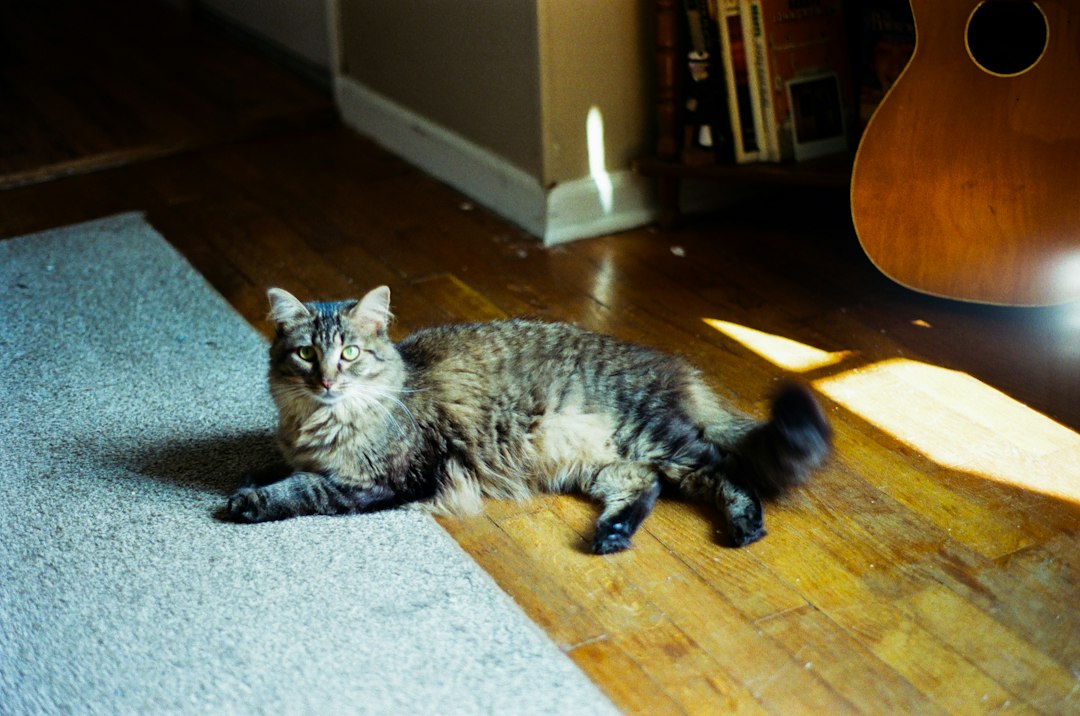
For affectionate-breed tendencies, see our affectionate cat breeds guide. If you are considering a British Shorthair, our British Shorthair guide covers that breed in depth.



0 comments