
Cavapoo Puppies: Temperament, Grooming, Health and What to Expect

A Cavapoo is a cross between a Cavalier King Charles Spaniel and a Poodle, usually a Miniature or Toy Poodle. That means a Cavapoo puppy does not come with one guaranteed adult size, coat type or temperament. The most useful way to prepare is to understand both parent breeds, ask for verifiable health testing, plan for regular grooming and raise the individual puppy in front of you rather than relying on claims such as “hypoallergenic,” “non-shedding” or “perfect family dog.”
What should you expect from a Cavapoo puppy?
Variation is normal. One puppy may inherit a curlier Poodle-like coat, another may have a softer wavy coat, and littermates can differ in size, energy and confidence. Even when a breeder knows the parents well, no ethical breeder can promise an exact adult personality.
Cavalier King Charles Spaniels are companion dogs, while Poodles were developed as active, intelligent working dogs. A Cavapoo may inherit strong social attachment, fast learning, playfulness, sensitivity or a mixture of these traits. Early routine, rest and reward-based training matter more than trying to predict everything from the cross label.
Adult size depends on the parents
There is no single official Cavapoo size standard. A puppy from a Toy Poodle parent can mature differently from one with a Miniature Poodle parent, and individual genetics still vary. Ask the breeder for the actual adult weights and heights of both parents rather than accepting labels such as “mini,” “tiny” or “teacup” without context.
Very small size should not be treated as a quality feature. Choosing for exaggerated tininess can distract from structure, health and temperament.
Coat and grooming: low shedding does not mean low maintenance
Cavapoo coats can be straight, wavy or curly and may mat if brushing does not reach the skin. Puppies should learn grooming gradually from the beginning: short brushing sessions, gentle handling of feet and ears, calm introduction to clippers and dryers, and regular professional grooming when the coat requires it.
Poodle coats need ongoing grooming because the hair continues growing. The AKC’s Poodle grooming guidance emphasizes brushing down to the skin to prevent matting. A Cavapoo’s exact grooming schedule depends on coat type and haircut, but owners should budget both time and money for coat care.
Are Cavapoos hypoallergenic?
No dog can be guaranteed hypoallergenic. Allergens come from proteins in dander, saliva and other secretions, not simply visible shedding. A low-shedding coat may reduce loose hair around the home, but it does not prove that a person with allergies will tolerate that dog.
If allergies are important in your household, spend meaningful time around the individual dog before committing where possible. Do not rely on a breeder’s promise that an “F1b” or another generation label guarantees allergy safety.
Health testing should cover both parent breeds
Crossbreeding does not automatically erase inherited disease. A responsible breeder should understand the health issues present in Cavaliers and Poodles and test breeding dogs appropriately before mating them.
For Cavalier King Charles Spaniels, parent-club guidance hosted by the American Kennel Club includes cardiac, eye, hip and patellar screening. Cavaliers are especially important to discuss in relation to mitral valve disease; Cornell University College of Veterinary Medicine lists Cavaliers among small breeds commonly affected by degenerative valve disease.
Poodle testing depends partly on variety. The AKC’s Poodle health-testing recommendations include eye evaluation and variety-specific tests such as hips, patellas and certain DNA tests. Ask which Poodle variety was used and request the actual results for both parents.
How to evaluate a breeder
Look for transparency rather than marketing polish. A breeder should be able to show health-test results, discuss the temperament of both parents, explain how puppies are raised and socialized, and describe what happens if an owner can no longer keep the dog.
Be cautious when the sales page focuses heavily on color, tiny size, “teddy bear” appearance or instant availability while giving little detail about health testing. A responsible breeder should also be willing to say when a puppy is not a good match for a household.
Early socialization should build confidence, not overwhelm
Socialization is not a contest to expose a puppy to as many things as possible. The aim is to create positive, controlled experiences with people, surfaces, household sounds, handling, car travel and suitable dogs. A frightened puppy should be given distance and choice rather than being forced to “get used to it.”
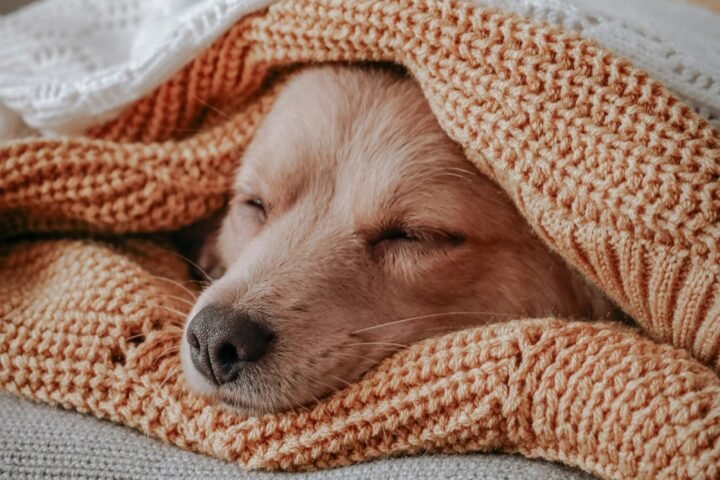
Puppies also need substantial sleep. Overtired puppies often become mouthy, frantic or unable to settle, which owners can mistake for a training problem.
Start training practical household skills early
Useful first skills include responding to name, recall, toileting routines, settling on a mat, accepting gentle grooming, walking with a loose leash and being comfortable behind a gate or in a safe confinement area. Keep sessions short and reward what you want repeated.
Cavapoos can become very people-focused. That can be lovely, but it also means independence should be taught gradually. Practise brief periods of calm separation before the puppy becomes distressed rather than waiting until you suddenly need to leave for hours.
Separation-related behavior
Not every Cavapoo develops separation anxiety, and the cross should not be labelled as inevitably anxious. However, highly social dogs can struggle when alone-time skills have never been built. Start with tiny, successful absences and increase duration gradually.
If the dog shows panic signs such as prolonged vocalization, frantic escape attempts, destruction around exits or inability to eat when alone, use PetsFilled’s separation anxiety guide as a starting point and involve a veterinarian or qualified behavior professional when needed.
Feeding a Cavapoo puppy
Choose a complete and balanced puppy diet appropriate for growth and follow your veterinarian’s advice on meal frequency and body condition. Do not use adult-maintenance food simply because the puppy is small.
Monitor ribs, waist and growth rather than trying to make the puppy look “chunky.” PetsFilled’s dog feeding guide explains life-stage feeding and portions, while the body condition score guide helps owners judge whether calorie intake is matching the dog rather than the package.
Exercise and play
Puppies need activity, but they do not need forced long-distance exercise. Use several short walks, sniffing opportunities, gentle play and training throughout the day. Avoid repetitive high-impact jumping while the puppy is developing.
As the dog matures, exercise needs will depend on size, health and inherited drive. Some Cavapoos are satisfied with moderate daily activity; others inherit more Poodle-like energy and thrive on longer walks, training games and dog sports.
Ear and dental care
Floppy, hairy ears can trap moisture. Check the ears regularly for odor, redness, discharge or repeated scratching, but do not over-clean healthy ears. Dental care should also start early, especially in smaller dogs. Introduce tooth brushing gradually with dog-safe toothpaste.
Living with children and other pets
A Cavapoo can be a good family companion, but no puppy should be expected to tolerate rough handling. Supervise children, provide the dog with a quiet escape space and teach both child and puppy appropriate interaction.
For cats and other dogs, use gradual introductions. The PetsFilled guide on dogs and cats living together explains how barriers and supervised sessions reduce the risk of chasing and fear.
Adoption is also an option
Cavapoos and similar mixes do enter shelters and breed-specific rescues. If you are open to an adolescent or adult dog, adoption can provide clearer information about mature size, coat and some behavior traits. PetsFilled’s Cavapoo adoption guide explains how to search broadly and evaluate the individual dog rather than assuming every Cavalier-Poodle mix is the same.
Common behavior challenges
Barking, mouthing, housetraining accidents, leash pulling and difficulty being left alone are not unique Cavapoo problems; they are common dog-development issues. Address the behavior you see rather than blaming the mix. PetsFilled’s Cavapoo behavior guide covers practical reward-based approaches.
Frequently asked questions
How big will my Cavapoo get?
Adult size depends heavily on the parent dogs, especially the Poodle variety used. Ask for the actual parent sizes and expect some variation rather than an exact prediction.
Do Cavapoos shed?
They can. Some shed very little, others more noticeably. Coat type is variable in a cross, and low shedding still comes with grooming needs.
Are Cavapoos easy to train?
Many are responsive and food-motivated, but individual temperament matters. Consistent reward-based training and good management remain necessary.
How often do Cavapoos need grooming?
Frequency depends on coat texture and haircut. Most owners should expect regular brushing and professional grooming rather than assuming the coat will maintain itself.
The bottom line
A Cavapoo puppy can be an engaging companion, but the cross should be chosen for more than appearance. Expect variation, verify health testing on both sides of the pedigree, budget for grooming, teach independence as well as affection and feed for healthy growth rather than maximum size. The best preparation is to understand the individual puppy and the two parent breeds instead of trusting guarantees that genetics cannot provide.


0 comments