
Cavapoos for Adoption: How to Search Rescues and Evaluate a Match
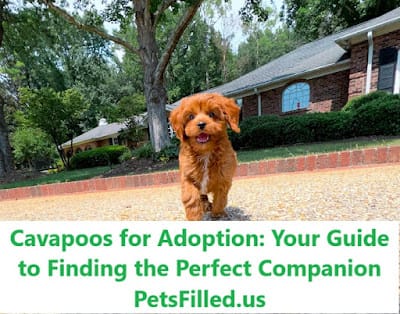
A Cavapoo is a mix between a Cavalier King Charles Spaniel and a Poodle, but mixed-breed dogs do not inherit a predictable 50/50 package of appearance, coat or temperament. If you want to adopt one, evaluate the individual dog rather than a marketing description of the mix.
Where to look
- local municipal and nonprofit shelters;
- breed-specific Cavalier or Poodle rescues;
- mixed-breed rescue organizations;
- legitimate foster-based rescues with verifiable records.
Search terms such as “Poodle mix” or “small spaniel mix” may find suitable dogs that are not labeled Cavapoo.
Do not assume “hypoallergenic”
No dog can be guaranteed allergy-free. Coat type varies in mixes, and allergens come from skin, saliva and urine as well as fur. Spend time with the individual dog if allergy is a concern and consult an allergist when symptoms are significant.
Ask for medical information
Review vaccination, parasite, microchip and sterilization records. Ask about known heart, orthopedic, eye, skin or dental concerns and any current medication.
Ask about behavior in ordinary life
Useful foster information includes housetraining, comfort when left alone, handling tolerance, barking, resource guarding, interactions with children or other animals and recovery after stressful events.
Meet more than once if possible
A shelter meeting is only one snapshot. A quiet dog may be shut down, while an excited dog may settle differently at home. Ask what the organization has observed over time.
Plan the transition
Keep the first days predictable, avoid overwhelming the dog with visitors and use reward-based training. If separation distress or fear emerges, see our Cavapoo behavior guide.

0 comments