
Puppy Rescue Costs: How to Build a Realistic First-Year Budget
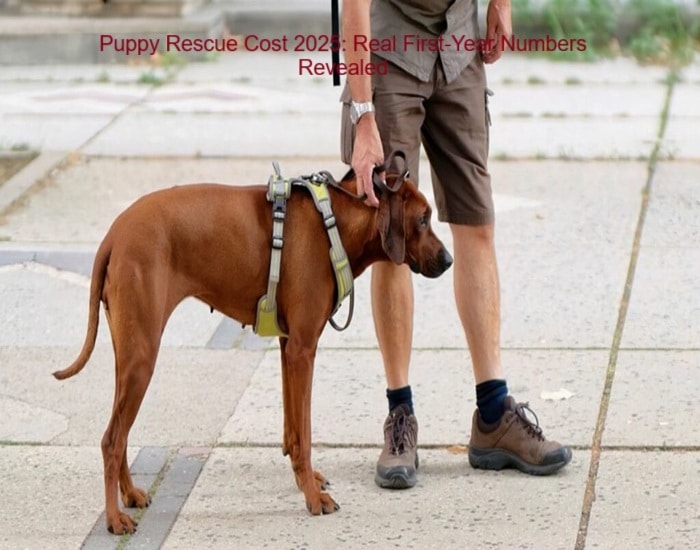
A rescue puppy may have a lower acquisition cost than a puppy from a breeder, but the first-year budget is built from the same daily realities: veterinary care, food, equipment, training and unexpected illness. National “average cost” numbers age quickly, so local quotes are more useful.
What might already be included?
Ask the rescue whether the adoption fee includes sterilization, vaccines, microchipping, deworming or other care. Get written records so your veterinarian knows what has been done.
Build the budget in four columns
Swipe horizontally to view the full table.
| Category | Examples |
|---|---|
| Start-up | adoption fee, carrier/crate, bed, bowls, leash, gates |
| Monthly | food, parasite prevention, grooming, training supplies |
| Scheduled care | veterinary exams, vaccines, dental planning, training classes |
| Unexpected | illness, injury, swallowed objects, emergency diagnostics |
Age changes the cost pattern
Young puppies may need several early veterinary visits and replacement equipment as they grow. A puppy with incomplete medical history may also need diagnostic testing or catch-up care.
Insurance versus savings
Pet insurance can transfer some unexpected financial risk, but policies have exclusions and deductibles. A dedicated emergency fund remains useful even when insured.
Related guide
For a general household worksheet, see our first-year puppy budget checklist.
Start with a local veterinary quote
Vaccination schedules, exam fees, sterilization, parasite prevention and emergency costs vary widely by region. Ask a nearby clinic for realistic local ranges rather than building the budget around a national average that may not match your area.
Food cost depends on adult size
A small rescue puppy and a puppy expected to reach forty kilograms will not have the same long-term food budget. Ask what adult size is expected, then price a complete growth diet appropriate for that size.
Training is part of the first-year budget
Group classes, private behavior help, long lines, gates and enrichment equipment can all be legitimate expenses. Setting aside money for training early is cheaper than waiting until a serious behavior problem is disrupting the household.
Replacement equipment is easy to forget
Puppies outgrow harnesses, crates and beds. They also chew leads, toys and bedding. Buy enough to be safe, but avoid overspending on premium equipment that may be the wrong size within months.
Parasite prevention is recurring, not one-time
Flea, tick, heartworm and intestinal parasite plans depend on location and lifestyle. Ask the veterinarian which prevention is appropriate and include it in the monthly or quarterly budget.
Dental care begins before old age
Tooth brushing supplies are inexpensive, but professional dental care later can be significant. Starting cooperative mouth handling while the puppy is young supports long-term prevention.
Transport and boarding can be major hidden costs
Car restraints, pet-friendly travel, boarding, daycare or a sitter may matter even if you do not use them every month. Think through holidays, emergencies and work travel before assuming care will always be free.
Insurance should be compared before illness appears
Policies can exclude pre-existing conditions, so waiting until after a diagnosis changes what coverage is available. Compare exclusions, deductibles, reimbursement and annual limits, and still keep some emergency cash available.
Emergency savings should be separate from routine care
Routine vaccines and food should not consume the same fund intended for a swallowed object or overnight hospitalization. Even a modest dedicated reserve is more useful than having no plan.
Adoption fees often represent bundled care
A rescue fee may include microchipping, vaccines, sterilization or deworming that would cost more if purchased separately. Compare what is included rather than judging the fee by the number alone.
Use a first-year spreadsheet
List expected dates for vaccines, food purchases, training, prevention and equipment replacement. Add an emergency reserve line. A month-by-month plan makes the total less surprising and helps you see when several costs arrive together.
Budget for licensing and identification
Local dog licenses, microchip registration and replacement ID tags are small compared with emergency care, but they still belong in the first-year plan. Requirements vary by location.
Add a household-damage allowance
Puppies sometimes destroy beds, leads, rugs or shoes despite good management. A modest replacement allowance prevents these predictable mishaps from feeling like financial emergencies.
Estimate grooming from coat type
A short-coated puppy may need little professional grooming, while a growing poodle-type coat can require regular appointments. Ask what adult coat is expected and price local grooming before adoption.
Include training travel and equipment
Classes may also require transport, treat pouches, long lines or specific harnesses. Those costs are small individually but can add up during the first year.
Plan for sterilization if it is not included
Some rescues sterilize before adoption; others use a later agreement for young puppies. Confirm what is included and who pays for follow-up care.
Consider pet deposits or housing fees
Renters may face deposits, monthly pet rent or breed and size restrictions. Verify housing costs before adopting rather than discovering them after the puppy arrives.
Keep the emergency fund liquid
A savings account that takes days to access is less useful during an urgent veterinary visit. Keep at least part of the reserve readily available.
Review the budget at three and six months
Actual food, training and prevention costs will replace your estimates. Update the plan so the remaining year reflects what the puppy really needs.
Budget for preventive diagnostics when appropriate
Some puppies may need fecal testing, follow-up vaccine visits or screening based on history. These are easier to absorb when they are expected rather than treated as surprise extras.
Add a small monthly training allowance
Even if formal classes are not continuous, keeping money available for a private session or refresher class can prevent a minor behavior issue from becoming expensive later.
Remember replacement identification
Tags wear out, harnesses are outgrown and microchip records need updates after a move. Small administrative costs belong in the realistic ownership budget too.
Estimate food using adult size projections
Ask the rescue or veterinarian for a reasonable adult-size range. That gives you a better long-term estimate than pricing only the small bag a young puppy eats now.
Include a contingency for chronic care
Allergies, orthopedic disease or gastrointestinal problems can create recurring costs rather than one emergency bill. Insurance or savings should account for the possibility of ongoing treatment.
Budget for routine replacements
Leads, beds, toys, bowls and grooming tools wear out. A small monthly household-pet allowance keeps those costs from competing with veterinary savings.
Include future adult medication costs
Parasite prevention and many prescriptions are weight-based, so a growing large-breed puppy may become more expensive to medicate over time.
Plan for one unexpected travel or care expense
Family emergencies can create last-minute boarding, sitter or transport costs. Even if rare, they belong in a resilient first-year plan.
Set an annual review date
Once the puppy’s real food use, prevention costs, training needs and veterinary schedule are known, replace estimates with actual spending. A yearly review keeps insurance, savings and routine-care budgets realistic as the dog grows.
Keep a small buffer beyond the planned total. First-year spending rarely follows the calendar perfectly, and one extra veterinary visit, replacement harness or training session can shift the month quickly.
Update the budget as the puppy grows and real costs replace estimates, including food, prevention, training, grooming, supplies and veterinary care.
Review actual spending monthly so the budget stays realistic as the puppy grows.



0 comments